Venmo shifts default payment visibility to 'friends only' in major app overhaul
New users will now see their transactions restricted to friends by default, a significant departure from the previous public setting that exposed purchase details to anyone.
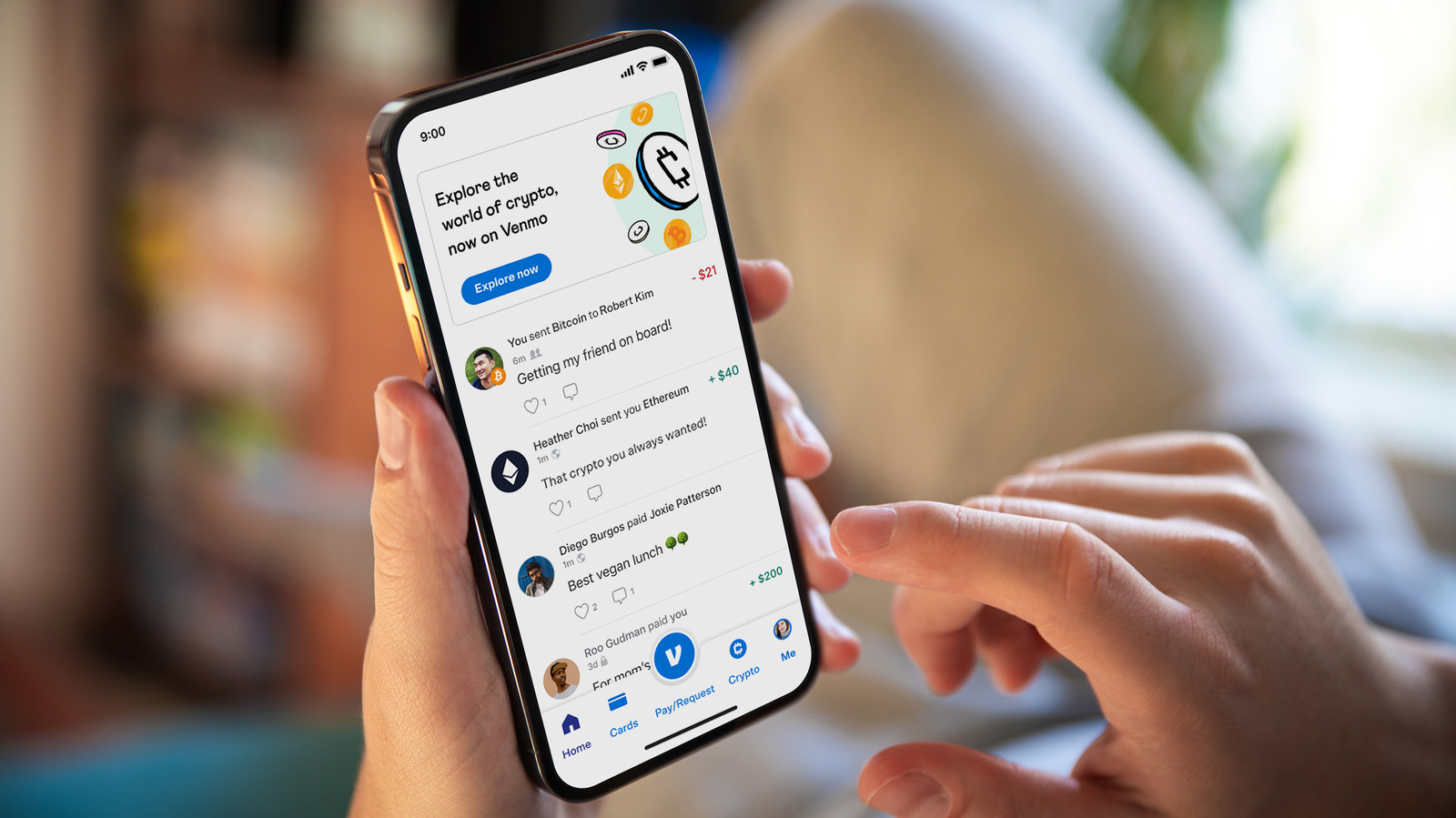
Venmo has launched a redesigned application that fundamentally alters the default settings for new users, setting post visibility to "friends only" rather than the previous "public" standard. This change marks a significant pivot for the payment platform, aiming to address historical privacy issues where transaction details, such as purchases of pizza and coffee, were visible to anyone on the internet. The update is rolling out this week as part of a broader evolution planned for completion by autumn.
The redesign includes a revamped feed with enhanced interaction capabilities, allowing users to react to payments and utilise quick actions such as "Pay Again" and "Say Thanks". Additionally, the new interface introduces a "Give a Shoutout" button designed to promote local businesses. These functional updates accompany the privacy adjustments, positioning the app as a more discreet tool for money movement.
While the shift in post visibility defaults is clear, the specific configuration of friend list privacy remains uncertain. Although Venmo previously added an option to hide friend lists following a high-profile investigation by BuzzFeed News that exposed former President Joe Biden's list due to public settings, sources indicate it is currently unclear if the latest redesign will automatically set friend lists as private for new users.
The broader evolution of the application is scheduled to continue over the coming months, with further features expected to roll out before the full revamp is available by fall. This phased approach suggests a continued focus on refining the user experience and addressing the privacy expectations of its user base.
Venmo's decision to alter default settings comes after years of scrutiny regarding data exposure. The previous public default allowed a wide range of users to view transaction histories and social connections, a vulnerability that has been a point of concern for regulators and consumers alike. By moving the default to a more restricted setting, the platform aims to align better with modern expectations of digital privacy.
