Venezuela grants Ministry of Hydrocarbons discretion over oil tax rates in draft regulations
The Venezuelan government’s proposed regulations for its new hydrocarbons law give the Ministry of Hydrocarbons authority to set project-specific royalty and tax rates, deviating from fixed statutory caps and drawing criticism from industry experts.
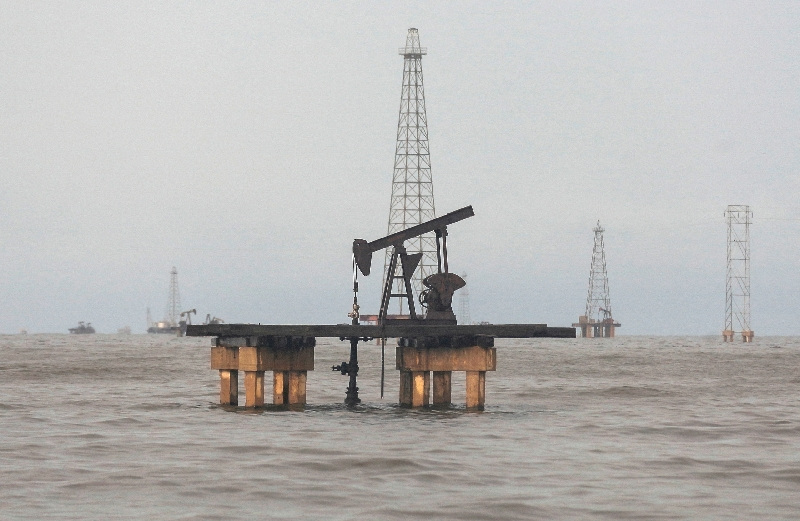
Venezuela’s draft regulations for a new hydrocarbons law grant the Ministry of Hydrocarbons the authority to determine specific royalty and tax rates for private and foreign investors on a project-by-project basis. This approach departs from the statutory caps established by the law passed in January, which set a maximum royalty rate of 30% and a maximum integrated hydrocarbons tax of 15%.
Under the 63-page draft document, the Ministry will review each operating company’s business plan to determine the exact tax and royalty rates applicable to individual projects. This mechanism replaces the expectation that accompanying regulations would specify fixed rates below the statutory ceilings, instead placing near-complete authority in the hands of the Ministry to sign contracts and modify terms.
The framework, introduced under acting President Delcy Rodriguez, officially ends decades of state monopoly by allowing private companies to obtain licenses for heavy crude oil processing, refining, and international trading. These activities were previously reserved for state-owned Petroleos de Venezuela SA (PDVSA). The move is part of an effort to attract foreign capital and rebuild the economy following the reported removal of President Nicolas Maduro at the start of the year.
Significant shifts in regulatory oversight accompany the new framework. The National Assembly no longer approves energy joint ventures; instead, the Ministry of Hydrocarbons holds the authority to do so. This centralisation of power has drawn criticism from oil experts and economists, who warn that the Ministry’s wide latitude may deter foreign investment due to concerns over unilateral changes to agreed terms.
The introduction of the integrated tax has raised skepticism regarding whether the government intends to significantly reduce the state's take, which has historically been one of the highest in Latin America. The draft regulation must still be published in the Official Gazette to take effect, leaving the precise fiscal landscape for potential investors undefined until that final step is completed.