Velotric Discover 3 targets commuter market with $2,000 price point and mid-frame motor
The new model replaces budget hardware with Shimano Cues components and offers extensive software customization, including legal class switching via a dedicated physical button.
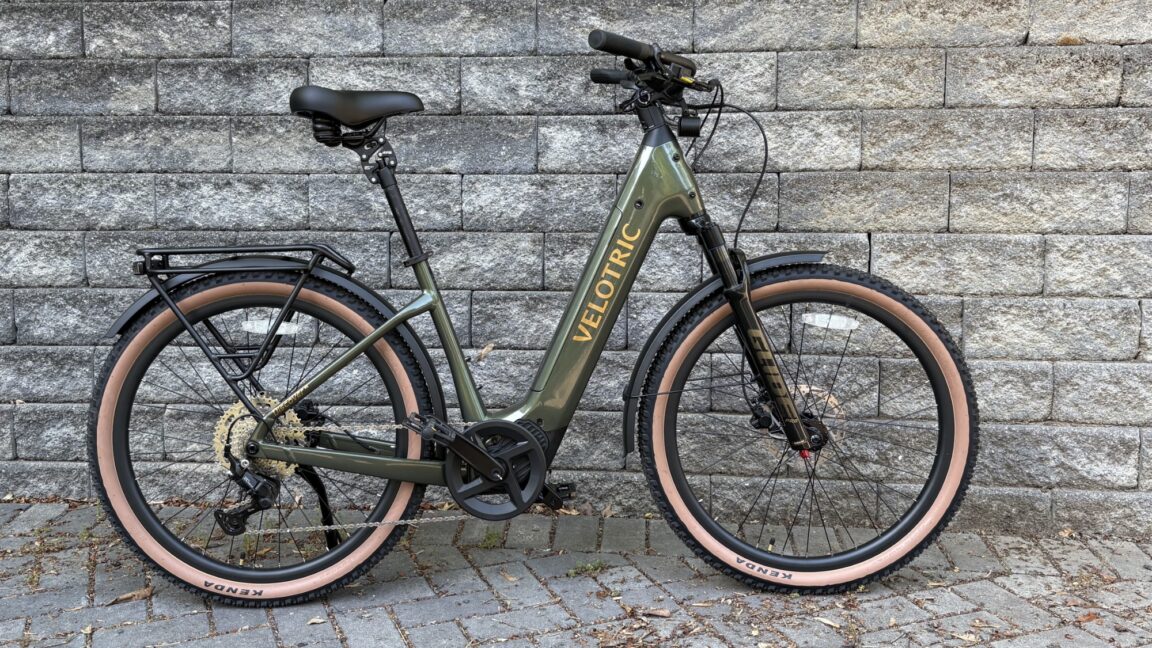
Velotric has released the Discover 3, an electric commuter bicycle priced at approximately $2,000. The release marks a significant shift in the company’s product strategy, moving away from the hub motor configuration of the original Discover 1 to a mid-frame motor produced under contract for Velotric. This new iteration is positioned as a higher-end option within the brand’s lineup, costing nearly double the price of its predecessor while addressing previous compromises in component quality and performance.
The mechanical specifications of the Discover 3 represent a notable upgrade in the drivetrain sector. The bike utilises Shimano’s Cues groupset, providing eight rear gears with a range typical of low-end mountain bikes. This replaces the cheap plastic shifters and narrow gear ranges found in previous budget hardware. Velotric has also equipped the model with hydraulic disc brakes and a default torque sensor, which registers force applied to the cranks rather than simply pedal rotation. While users can switch to a cadence sensor via a menu setting, doing so triggers a warning regarding faster battery drain.
Regulatory compliance and software integration form a core part of the Discover 3’s value proposition. The bike supports three US e-bike classes, and Velotric has implemented a software solution where the throttle is disabled when the bike is set to Class 1 or Class 3 modes. This addresses legal compliance concerns that often plague manufacturers who enable Class 3 speeds while retaining hardware throttles. A dedicated physical button allows riders to switch between classes instantly, a feature rare in the market, enabling users to adjust settings based on local traffic conditions without navigating complex menus.
Electronics and connectivity options are extensive, with the bike weighing approximately 60 pounds (27 kg). Rear turn signals are controlled by handlebar buttons with an active alert, though front directionals are omitted. The smartphone app integrates with Apple’s Find My and Google’s equivalent systems, allowing the bike to unlock when the user is nearby. A USB-C port is included for charging devices on the go, and the display occasionally flashes a yellow warning recommending gear shifts based on torque sensor input, a feature that cannot be disabled.
The Discover 3 has received the "Ars Technica seal of approval" for its balance of price and quality. The model includes a robust rear rack, fenders, UL listing, and adjustable front shocks combined with a shock-absorbing seatpost. Depending on assist settings, the battery is expected to deliver a range of 60 to 80 miles. The bike is designed to offer a comfortable, upright riding posture suitable for daily commuting, with a solid U-shaped frame that minimises flex.
