Vatican Encyclical Targets AI Restraint as Anthropic Chief Acknowledges Industry Conflicts
The encyclical rejects transhumanism and calls for external pressure on developers, marking a significant moment in the Vatican’s decades-long dialogue with the technology sector.
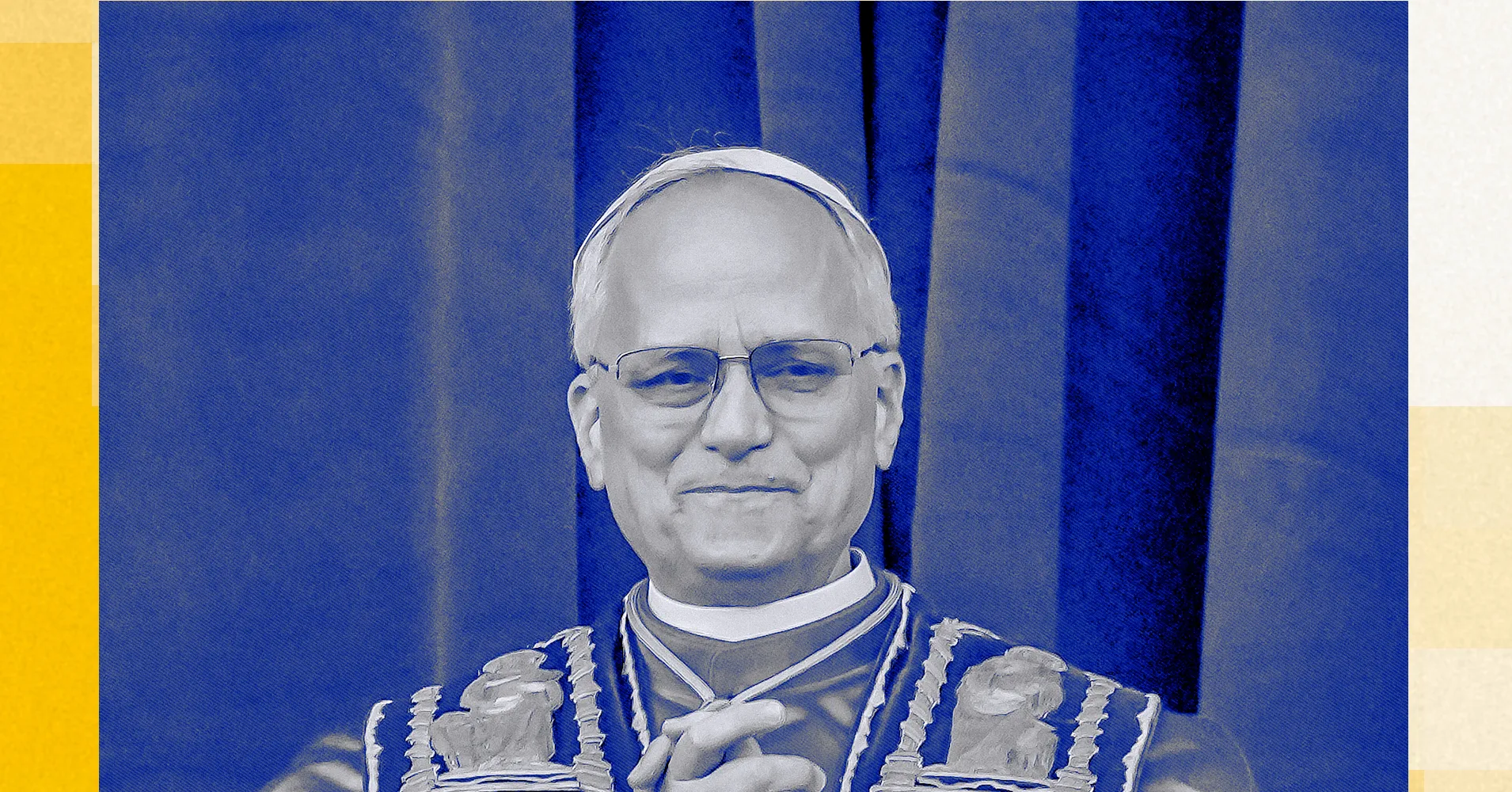
Pope Leo XIV has issued an encyclical titled *Magnifica Humanitas*, urging restraint in the development of artificial intelligence and warning against the emergence of a new form of slavery and surveillance. The document explicitly rejects transhumanism and the conflation of artificial intelligence with human intelligence, aiming to create dialogue that may eventually temper the industry’s ambition. The release follows years of engagement between the Vatican and tech leaders, including the Minerva Dialogues held at the Santa Maria sopra Minerva church since 2016.
Chris Olah, co-founder of AI company Anthropic, delivered remarks at the Vatican following the encyclical’s publication. Olah, an atheist who rejected his evangelical Christian upbringing at age 15 and previously accepted a grant from AI accelerationist Peter Thiel, acknowledged that industry incentives often conflict with ethical outcomes. He stated that every frontier AI lab, including Anthropic, operates within constraints that can sometimes prevent doing the right thing, providing firsthand verification of the Pope’s call for internal and external restraint.
The event highlights the culmination of ongoing discussions between Catholic ethicists and tech figures. Brian Patrick Green and Brendan McGuire, affiliated with Santa Clara University, met with Olah to discuss the moral implications of AI. Their input influenced an update to Anthropic’s AI model constitution, with both ethicists credited in the acknowledgements. McGuire, who uses Claude to prepare homilies, describes the technology as an entity rather than a mere tool or a person, noting that its nature remains mysterious.
Anthropic is reportedly preparing to go public with a valuation nearing one trillion dollars, underscoring the commercial pressures facing the company. Despite the encyclical’s warnings, the industry continues to pursue artificial general intelligence, lay off employees citing efficiency, and develop military AI weapons. The document is not expected to halt these practices immediately, similar to how previous papal pleas did not stop fossil fuel production, but rather seeks to generate a sense of responsibility among developers.
Pope Leo’s encyclical takes special pains to attack the concept of transhumanism, defined as the pursuit of a human-machine hybrid. This stance contrasts with some views within the tech sector, where models are sometimes treated as friends or lovers. The American pope has provided a basis for tough conversations, leveraging his ally at Anthropic to bring serious worries within the industry into the open, although the moral questions surrounding AI development require sustained attention beyond the initial dialogue.
