Vast Space pivots to high-power satellite manufacturing with $1bn facility
The company has secured an initial order for four units with options for up to 200 more, aiming for first launches in late 2027 as it enters a rapidly expanding modular satellite market.
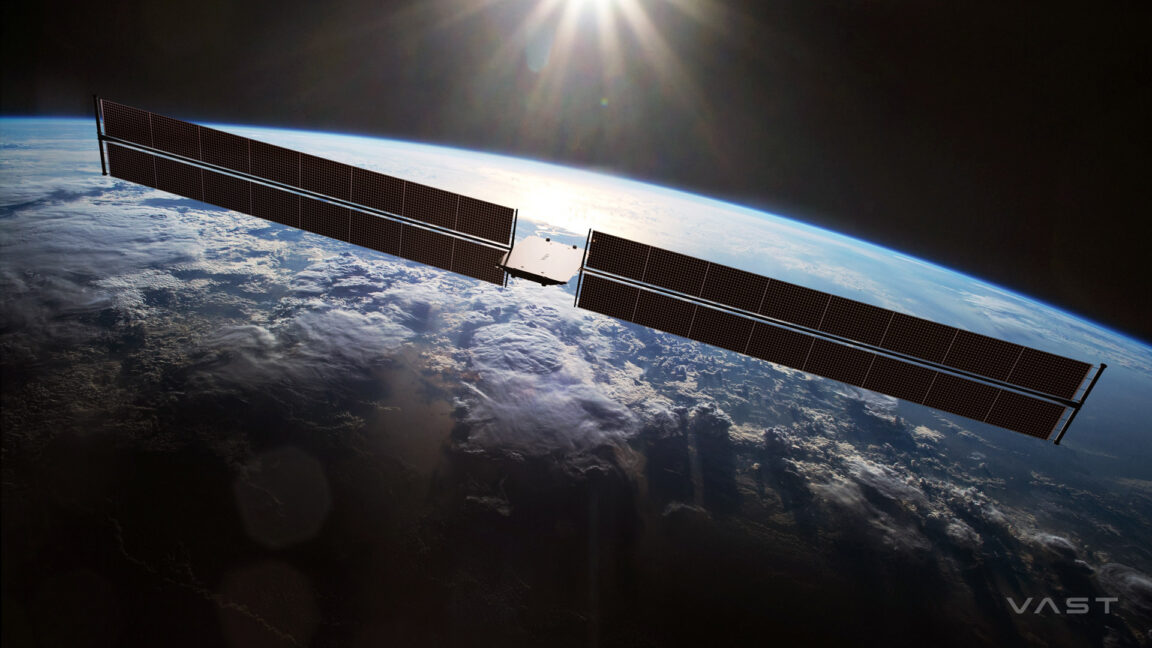
Vast Space, the California-based developer of the Haven-1 private space station, has announced its entry into the high-power satellite bus market. The Long Beach-headquartered firm plans to manufacture and sell modular satellite platforms designed for missions ranging from low-Earth orbit to lunar orbit, marking a strategic diversification of its product portfolio.
The company’s initial offering is a 15 kW-class satellite bus measuring approximately three metres long and four metres tall. Weighing 700 kg with a payload capacity of at least 350 kg, the platform is engineered for a five-year operational lifetime. Vast Space has already secured a customer for four satellites, with an option to purchase up to 200 additional units, targeting the launch of at least 10 satellites in the fourth quarter of 2027.
Chief Executive Max Haot emphasised that diversification is critical for longevity in the space sector. “Every single successful space company is diversified in its products,” Haot said. The new satellite bus will leverage technology developed for the Haven-1 project, which is scheduled to launch next year as the world’s first private space station. However, Vast is also developing new in-house components, including electric propulsion and deployable solar array systems, to support the specific requirements of orbital missions.
A key differentiator for the new platform is its integration with an NVIDIA Space-1 Vera Rubin Module, designed to support inferencing needs for orbital data centres. This capability positions Vast to serve demanding applications in telecommunications, Earth observation, and data services, catering to a market increasingly focused on high-power requirements.
The announcement comes as the US space manufacturing landscape shifts away from bespoke, costly designs by major contractors towards proliferated, modular constellations. Driven by the US Space Development Agency’s preference for distributed networks and increased launch cadence via Falcon 9 and rideshare missions, the sector has attracted significant venture capital. Vast has invested $1 billion in manufacturing facilities, including clean rooms suitable for both space stations and satellites, to compete against emerging rivals such as Rocket Lab, K2 Space, and True Anomaly.
While the total number of satellites in orbit has grown from approximately 4,000 to 14,000 over the last five years, estimates suggest this figure could reach 500,000 within a decade. Although major players like SpaceX, Amazon, and Blue Origin are expected to dominate the majority of this volume, Haot noted that even a 10 per cent share of the commercial bus market would represent a significant opportunity for companies like Vast Space.
