VAR technology confirms dive in USMNT’s opening match at 2026 World Cup
Referee Danny Makkelie rescinds the booking after video official Carlos Del Cerro Grande identifies Paraguay’s Miguel Almirón as simulating a foul during the Group D opener.
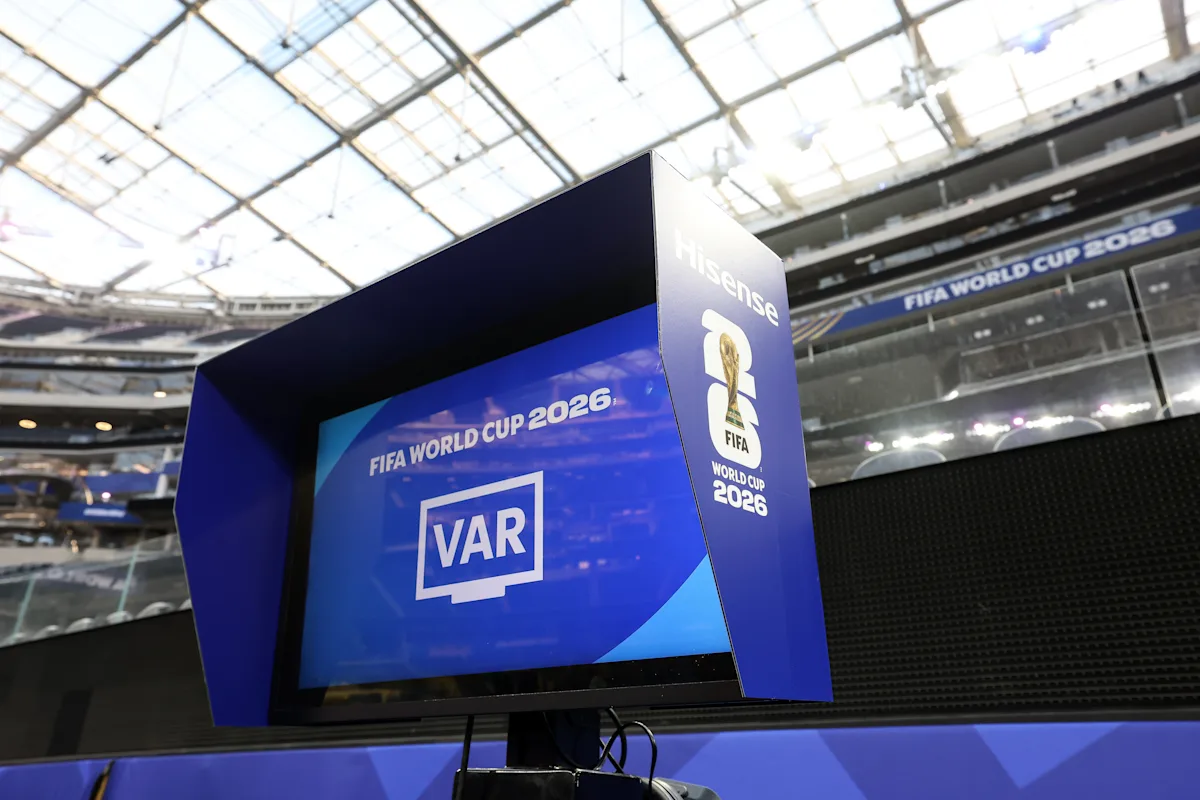
The 2026 FIFA World Cup witnessed its first significant Video Assistant Referee (VAR) intervention during the United States Men’s National Team’s Group D opener against Paraguay. Early in the second half at SoFi Stadium in Los Angeles, on-field referee Danny Makkelie issued a yellow card to USMNT defender Tim Ream for a tackle on Paraguay’s Miguel Almirón. The decision was subsequently overturned following a video review that confirmed Almirón had dived to simulate a foul.
The review process was initiated after a slight delay for a video check. Video referee Carlos Del Cerro Grande alerted Makkelie to the potential simulation. Makkelie then convened the players and reviewed the incident on a pitchside monitor before rescinding the initial disciplinary action. The incident highlights the expanded scope of video technology at the 48-team tournament, where officials are tasked with identifying clear and obvious errors in fouls, handballs, and offside calls.
This marks the third World Cup to utilise VAR, following its official implementation in FIFA competition at the 2016 Club World Cup and its initial trial in the Dutch Eredivisie in 2012. The 2026 tournament, co-hosted by Mexico, the United States, and Canada, introduces new applications for the technology. These include the ability to award a goal kick if a corner kick was incorrectly awarded and to verify whether a second yellow card resulting in a red card was correctly issued.
The match at SoFi Stadium was the first World Cup fixture hosted on US soil since 1994. While the standard for overturning decisions remains a "clear and obvious error," the threshold continues to be a subject of debate. The interpretation of handball rules, particularly regarding "unnatural" positions, remains complex and subjective, often leading to drawn-out reviews that can impact match outcomes.
Semi-automatic offside technology continues to operate alongside VAR, with stadium cameras reviewing goals for any possibility of offside in the buildup. This system ensures that even the slightest possibility of an offside position triggers a review before the ensuing kickoff. As the tournament progresses, the expanded use of these technologies is expected to feature prominently in decision-making across all 48 teams.