Vanguard ETF passes trillion-dollar mark as tech concentration hits 40% of S&P 500
Dave Nadig, Sumit Roy, Cinthia Murphy, and Todd Sohn discuss the structural shift in market dominance, Vanguard’s milestone, and the valuation premiums surrounding the imminent SpaceX listing.
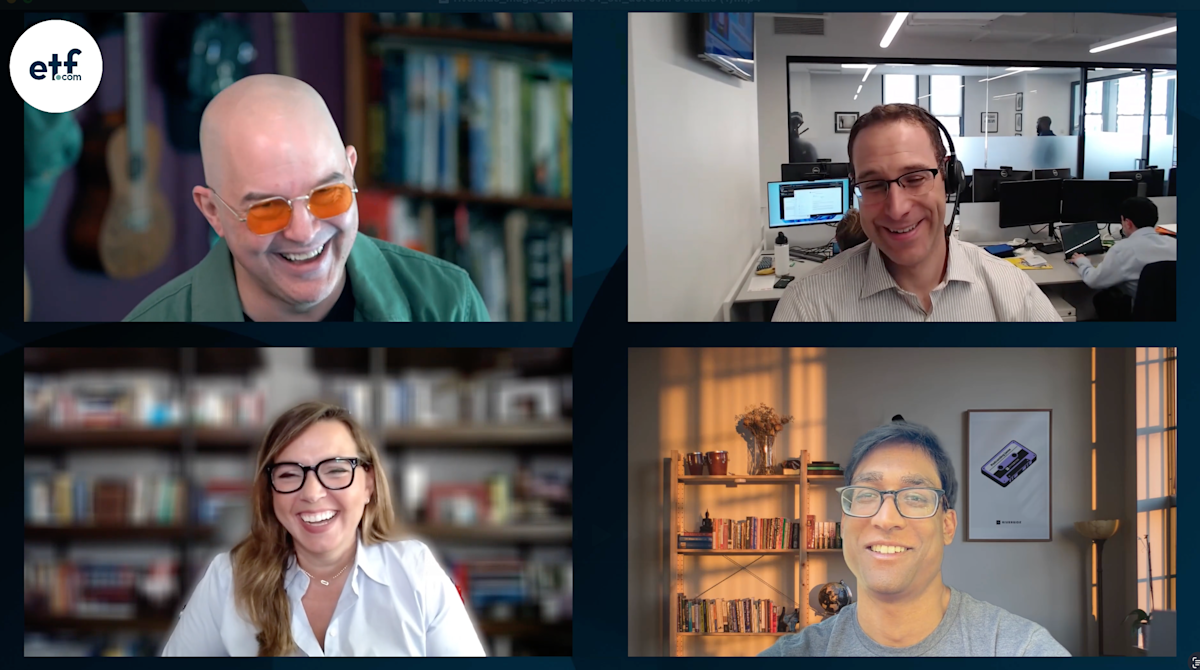
Technology stocks now account for nearly 40% of the S&P 500, a concentration level that has drawn sharp scrutiny from market analysts. During the latest episode of ETF.com’s ETF Zoo podcast, a panel featuring Dave Nadig, Sumit Roy, Cinthia Murphy, and Todd Sohn examined the extreme skew in capital allocation. Since the market low on 30 March, technology ETFs have attracted $27 billion in net inflows, while every other sector combined has experienced net outflows. The dominance is particularly evident in the semiconductor space, which now represents a group larger than all defensive sectors combined, with the iShares Semiconductor ETF (SOXX) doubling in value over a two-month period.
The discussion highlighted a proliferation of new thematic fund filings targeting narrow AI-adjacent sectors, including memory chips, power infrastructure, and photonics. Panelists noted that financial advisors are increasingly using these thematic products to layer exposure onto already tech-heavy core holdings. Internationally, Korean markets have seen significant growth driven by similar memory and semiconductor narratives, although US investor exposure to these regions, including Taiwan and Korea, remains minimal despite their deep concentration in a handful of major companies.
In a major milestone for passive investing, Vanguard’s S&P 500 ETF (VOO) has officially surpassed the SPDR S&P 500 ETF Trust (SPY) to become the largest S&P 500 ETF, crossing the $1 trillion asset mark. The panel attributed this shift to structural advantages held by Vanguard and iShares’ IVV, particularly their ability to reinvest dividends, whereas SPY operates as a unit investment trust. The consensus among the experts was that the flow of capital toward lower-cost index products is inevitable, raising further questions about market dynamics as the initial public offering pipeline heats up.
The episode also scrutinised the imminent SpaceX IPO, with Morningstar valuing the company at approximately $800 billion. This implies that the public listing will occur at a significant valuation premium. The panel flagged structural complexities for investors, including a 2% redemption gate implemented by ER Shares, a key holder of private SpaceX shares, and the prevalence of special purpose vehicle structures that obscure visibility into underlying assets for many fund holders.
On a quieter but potentially significant note, the discussion reviewed the growing adoption of Section 351 tax transfers, a mechanism allowing investors to diversify concentrated stock positions tax-efficiently. Minimum investment thresholds for these transfers have dropped to $150,000, prompting increased interest from financial advisors. The panel concluded that while the tech-dominated market presents valuation challenges, structural tools for diversification are becoming more accessible to those holding low-basis concentrated positions.