Vanguard bond ETFs VCSH and BSV: Yield vs safety in short-term fixed income
While both ETFs charge an identical 0.03% expense ratio, VCSH offers a 4.50% yield through corporate debt, whereas BSV provides a 4.00% yield with 70% exposure to US Treasuries.
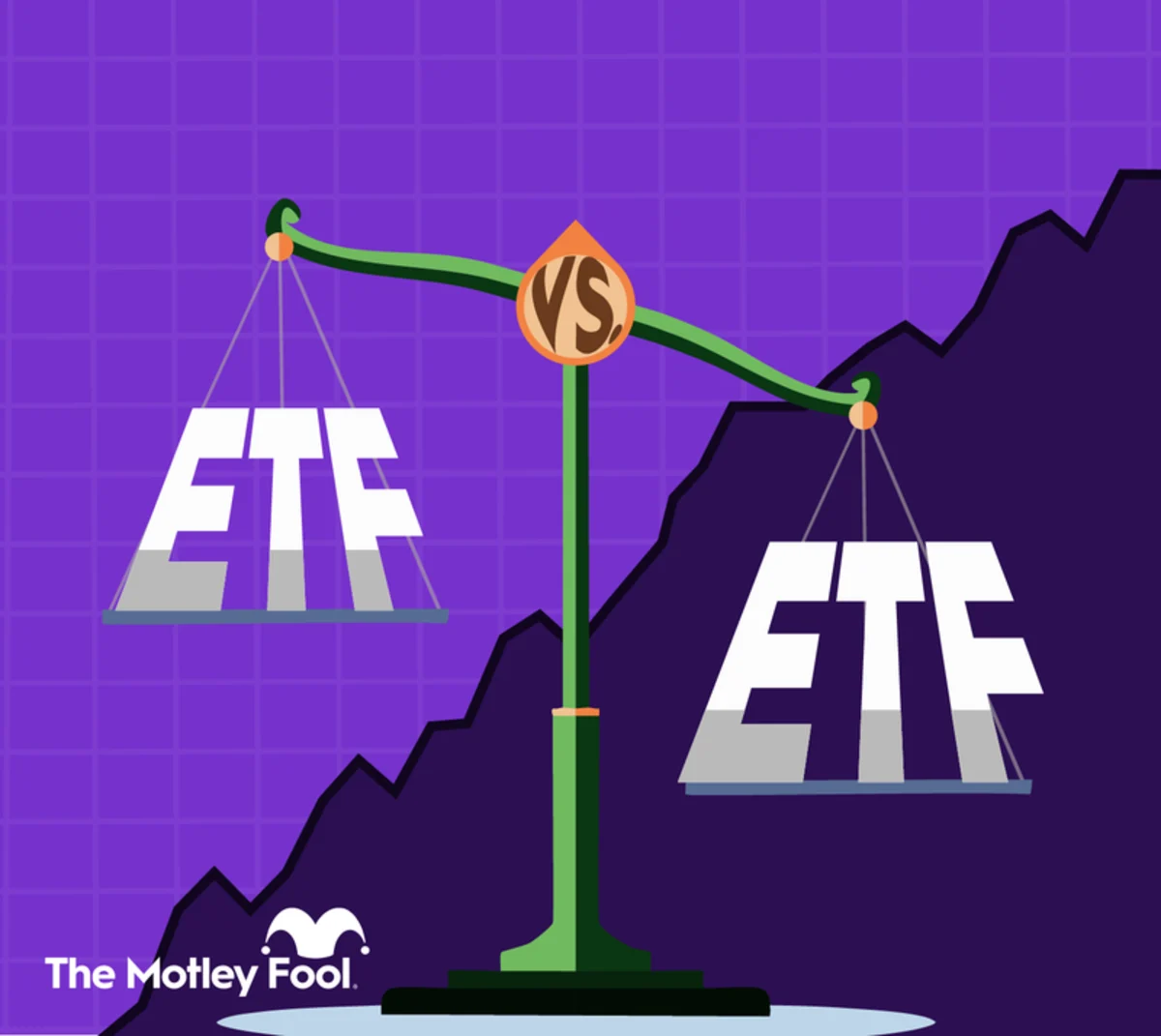
A recent comparative analysis by The Motley Fool has drawn attention to the distinct risk-return profiles of two major Vanguard short-term bond exchange-traded funds. The Vanguard Short-Term Corporate Bond ETF (VCSH) and the Vanguard Short-Term Bond ETF (BSV) both target the one-to-five-year maturity segment and share an identical annual expense ratio of 0.03%. However, their underlying asset allocations present investors with a clear choice between higher income potential and capital preservation.
VCSH is designed to target investment-grade corporate debt, resulting in a trailing-12-month dividend yield of 4.50%. This yield is approximately 0.44 percentage points higher than that of BSV, which currently offers a 4.00% yield. The corporate fund launched in 2009 with a portfolio of 3,023 holdings, maintaining strict diversification where no single position exceeds 0.94% of total assets. Approximately 54% of VCSH’s holdings are rated A or above, while over 45% are rated BBB, balancing income generation with investment-grade credit quality.
In contrast, BSV, which launched in 2007, emphasises exposure to US government bonds to provide broader diversification and lower volatility. Approximately 70% of BSV’s holdings are in US government bonds, compared to just 0.39% in VCSH. The fund aims to replicate the Bloomberg U.S. 1–5 Year Government/Credit Float Adjusted Index and holds 3,205 positions, including international issues and high-quality corporate credit. With assets under management nearing $70 billion, BSV serves as a popular vehicle for conservative investors prioritising stability over yield.
Short-term bonds are generally utilised as volatility buffers within diversified portfolios, offering returns superior to cash without the significant price swings associated with long-term debt. While VCSH offers a higher payout, it carries elevated risk, evidenced by a greater five-year maximum drawdown. BSV’s heavy allocation to Treasuries makes it more suitable for investors seeking to mitigate credit risk, whereas VCSH compensates for its corporate exposure with a higher interest rate payout.
Both funds provide high liquidity and low costs, making them compelling options for fixed-income exposure. The decision between the two ultimately hinges on an investor’s risk tolerance. Those willing to accept corporate credit risk for an additional 44 basis points of yield may prefer VCSH, while those seeking a safer haven with government backing may lean towards BSV. The Motley Fool noted that while both are low-cost options, BSV was not included in its recent list of top stock picks, contrasting it with high-growth equities like Netflix and Nvidia.