Valve’s Steam Controller repurposed to play music via haptic motors
Users have adapted existing software to make the new Steam Controller and Steam Deck play MIDI files, a feature Valve has not yet officially integrated.
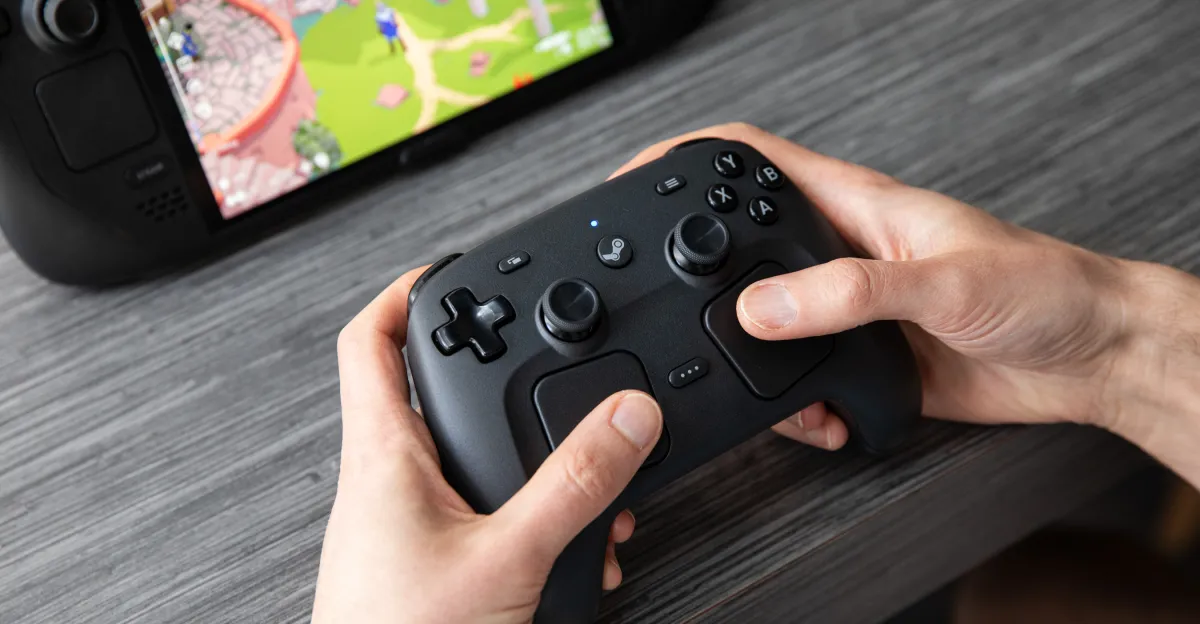
Valve’s newly released Steam Controller has been repurposed by the community to produce audio through its haptic trackpad motors, utilising open-source software developed by users. The tool allows the device to play MIDI files, with examples including tracks from Doom and Super Mario Bros. 2. Valve has not yet released native sound customisation features but may consider an SDK if demand increases.
Enterprising users have repurposed an open-source program originally created for the first-generation Steam Controller to make the second-generation model "sing." The software, known as "Steam Haptics Singer" and developed by user CrazyCritic89, is available on GitHub for Windows and Linux. The haptic motors in the trackpads can vibrate at specific frequencies to produce audio, effectively acting like a speaker.
The author of the source article successfully tested the software on both a personal Steam Controller and a Steam Deck, noting that it required some tinkering via the terminal in desktop mode. MIDI files are simple digital music files that contain notes rather than actual recorded audio, allowing the device to reproduce melodies through mechanical vibration rather than traditional sound output.
Valve previously stated in April that while they are not currently focused on sound customisation, they may release an SDK or tool if there is sufficient demand, citing the precedent of officialising custom boot videos on the Steam Deck. Pierre-Loup Griffais, speaking for the company, indicated that configurability could increase in the future, though no immediate roadmap for audio tools has been confirmed.
The haptic motors are typically used to provide feedback as the user glides their thumb over the trackpads or to simulate button presses, despite the trackpads not physically clicking down. This community-driven innovation highlights the technical flexibility of Valve’s hardware, which has long attracted tinkerers seeking to extend the functionality of its devices beyond their intended design parameters.
It is unclear if Valve will actually develop a sound customisation tool, as Pierre-Loup Griffais only suggested it as a possibility contingent on future demand. The long-term stability and ease of use of the "Steam Haptics Singer" software for non-technical users remains unverified, as the source article noted it required terminal tinkering.
For now, the feature remains a niche capability for enthusiasts willing to navigate command-line interfaces. The move mirrors previous community initiatives, such as sideloading custom boot videos, which Valve eventually integrated into the official Steam Deck experience, suggesting a potential pathway for future official support if user adoption grows.