Valve Steam Deck price hike marks end of affordable handheld gaming era
The starting price for Valve’s popular handheld has nearly doubled to $789, joining a broader industry trend where Nintendo and other manufacturers are raising costs, driven by soaring RAM and storage prices.
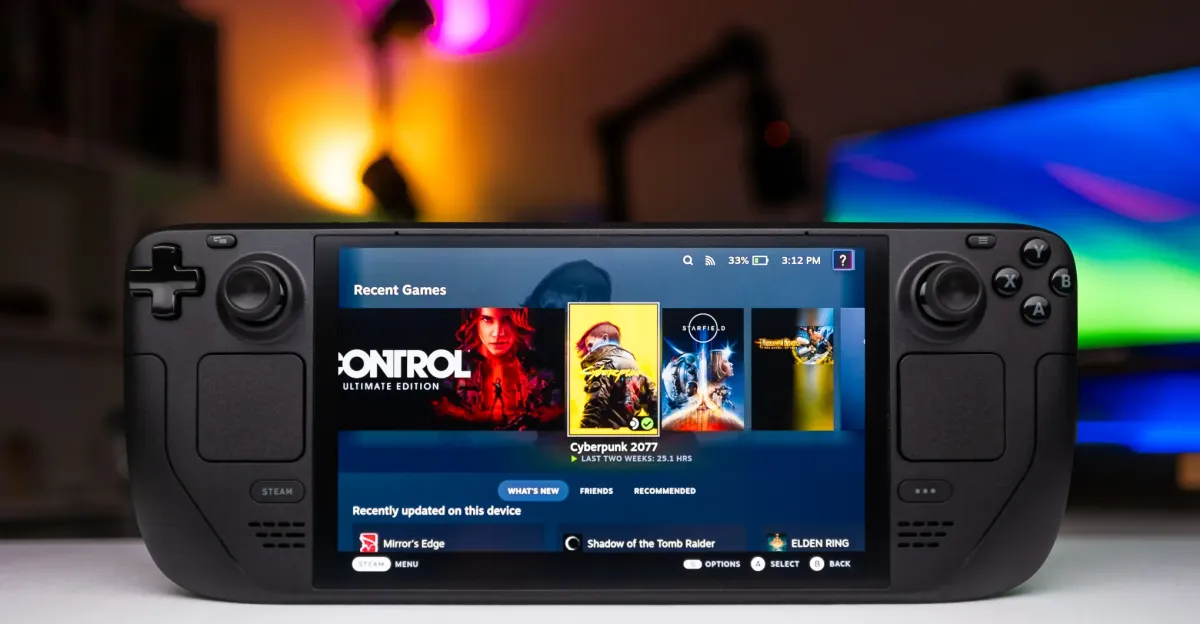
Valve has raised the starting price of the Steam Deck to $789, a move that nearly doubles the device’s original launch cost of $399 in 2022. This significant price adjustment, reported by The Verge, signals a structural shift in the portable gaming market, effectively ending the period where affordable handheld PC gaming was widely accessible. The hike places the Steam Deck in direct competition with higher-priced alternatives, altering the value proposition for consumers who previously viewed the device as a viable entry point into portable gaming.
The trend extends beyond Valve, with Nintendo setting the starting price for its next-generation Switch 2 at $499, citing changes in market conditions. Other manufacturers have also implemented substantial increases: the Microsoft and Asus Xbox Ally X is priced at $1,000, while the Lenovo Legion Go S commands $1,579.99. The MSI Claw 8 AI Plus has seen price increases to $1,299, with some listings appearing at $1,099. These figures suggest that the handheld gaming segment is rapidly transitioning from a mass-market category to a niche luxury good.
The primary drivers behind these cost escalations include skyrocketing prices for RAM and storage components. This inflation is partly attributed to high demand from AI server markets, which has diverted supply away from consumer electronics. Desktop PC gamers are similarly affected, with chipmakers prioritising AI server production over consumer gaming components. Nvidia, a key supplier in the sector, has shifted its corporate identity significantly, with reports noting it is no longer officially classified as a gaming company due to its focus on data centres and artificial intelligence infrastructure.
Broader economic factors are also contributing to the price hikes. Tariffs and rising oil prices, linked to geopolitical tensions involving Iran, have added to the cost pressures facing hardware manufacturers. These macroeconomic variables, combined with the specific demand for AI-related components, have created a challenging environment for consumer electronics pricing. The result is a market where the cost of entry for portable gaming has risen sharply, reducing accessibility for the general public.
The competitive landscape has also shifted, with few manufacturers challenging Valve and Nintendo on price. Microsoft’s entry into the high-performance handheld market with the Xbox Ally X at $1,000 positions it as a premium alternative rather than a direct competitor on affordability. Additionally, Sony’s reported withdrawal of major single-player games from PC platforms may further impact the value of handhelds like the Steam Deck for PlayStation users. As prices continue to rise, the handheld gaming experience is becoming increasingly exclusive, marking the end of an era defined by accessibility and affordability.
