Valve sets Steam Machine launch for June 2026 amid component shortages
Starting at $1,049, the new PC gaming console faces supply constraints that have driven industry-wide price increases, forcing Valve to implement a lottery-style purchase model to curb reseller activity.
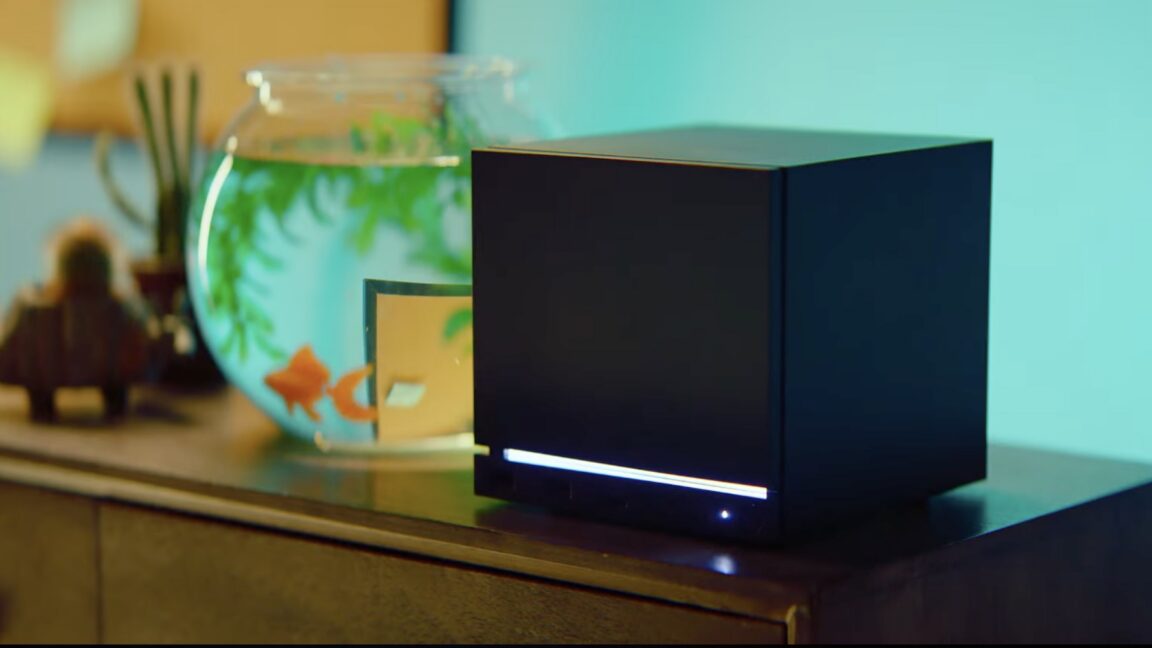
Valve has confirmed that its long-awaited Steam Machine gaming PC will begin shipping on June 29, 2026, with pricing starting at $1,049. The announcement reveals a hardware strategy heavily influenced by the broader semiconductor market, as the company navigates significant global shortages of memory and storage components. To manage demand and prevent reseller hoarding, Valve will distribute the initial stock through a randomized reservation queue rather than a standard first-come, first-served model.
The Steam Machine will be available in two configurations: a 512GB storage model priced at $1,049 and a 2TB model for $1,349. Both units are powered by a custom six-core AMD Zen 4 CPU with a peak clock speed of 4.8GHz and an integrated AMD RDNA3 GPU featuring 28 compute units. The system includes 8GB of dedicated DDR6 VRAM and 16GB of onboard DDR5 RAM, running on the Linux-based SteamOS. Customers may also bundle a Steam Controller for an additional $79, while the higher-tier 2TB model includes exclusive faceplates with red fabric and walnut finishes.
Valve attributes the elevated pricing and limited availability to a worldwide shortage of critical hardware parts. The company noted that it was sometimes unable to source memory and storage components at any price, which has directly impacted production volumes. This supply chain disruption follows a period of rising component costs driven by the AI boom, which has forced PC and console manufacturers to adjust their margins and raise retail prices across the sector.
The reservation window for the Steam Machine closes on June 25 at 10 am Pacific. Eligibility is restricted to Steam accounts with a purchase history prior to April 27, 2026, with a limit of one reservation per household. Once the window closes, Valve will conduct a one-time randomization to determine the waitlist order, notifying users via email later that day. Successful entrants will be placed in the reservation queue for the initial batch, while others will be added to a waitlist for future manufacturing runs.
Industry analysts note that the Steam Machine’s pricing reflects a broader trend in the hardware market, where component costs have increased significantly over the past year. Competitors such as Sony, Nintendo, and major PC makers like Dell, Lenovo, and HP have similarly raised prices to compensate for slimmer margins. Valve stated that its original vision for a lower-cost device is no longer viable given current component costs, suggesting that prices for future batches may fluctuate as supply conditions evolve.
