Valve expands SteamOS support with Intel and Nvidia collaboration
Nvidia driver support remains in development with no release expected this year, while users report successful installations on non-Valve hardware.
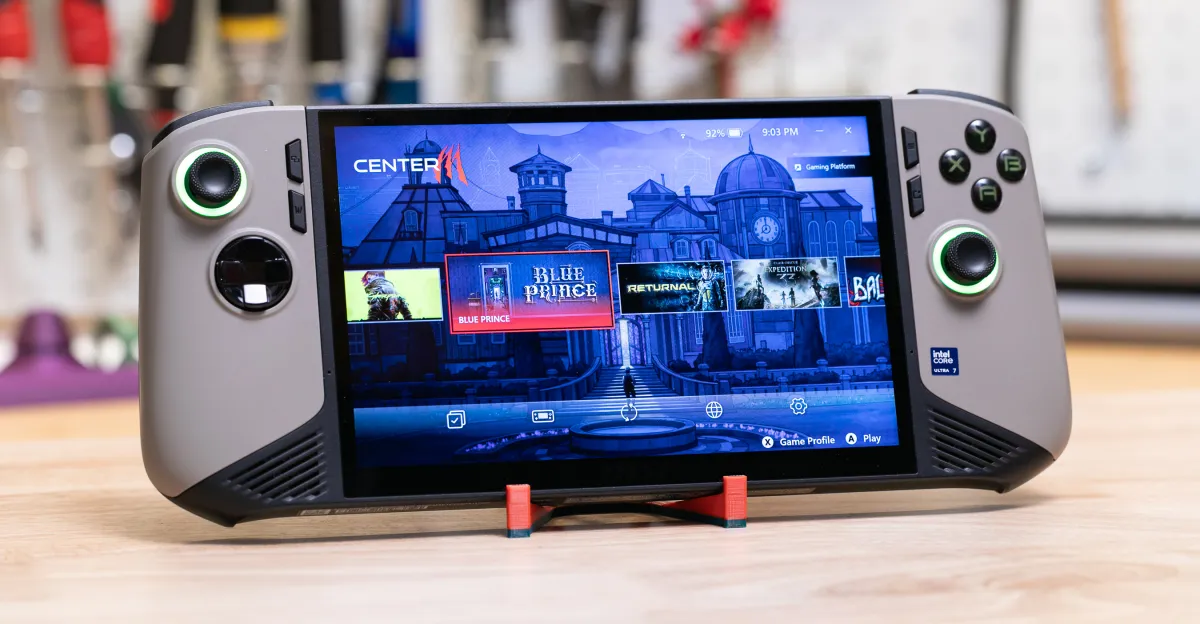
Valve has confirmed it is working with Intel and Nvidia to expand SteamOS support to additional graphics processing units. The SteamOS 3.8 update introduces initial firmware for upcoming Intel handhelds and controller support for select MSI Claw devices, including the MSI Claw 8 AI Plus. While users have successfully installed SteamOS on Intel hardware, Nvidia support is currently in development with a dedicated driver team, though Valve does not expect availability this year.
Pierre-Loup Griffais of Valve stated that the company is working very closely with Intel, noting that Intel has been optimising the graphics stack for Linux. Intel’s Nick Mijuskovic confirmed the company is working on the Mesa driver and with Valve regarding SteamOS support for the Panther Lake architecture, which includes the G3 Extreme chip powering the MSI Claw 8 EX AI Plus. Mijuskovic declined to provide a timeline but acknowledged the demand on the Linux side.
The SteamOS 3.8 update also announces that users will be able to build their own Steam Machine-like desktops running SteamOS starting with the 3.8 release. This move follows the recent launch of the Steam Machine, aiming to bring PC gaming to living rooms with greater flexibility than previous iterations.
Users have already begun testing the new compatibility. YouTuber ETA Prime successfully ran a beta of SteamOS 3.8 on an MSI Claw 8 AI Plus, describing the experience as not perfect but functional for the most part. Additionally, a Reddit user reported successfully booting SteamOS on an Intel Arc B580 desktop GPU.
MSI’s Claw gaming handhelds have predominantly shipped with Windows, which users have described as a crusty experience on handheld form factors. SteamOS is a Linux-based operating system developed by Valve, primarily associated with the Steam Deck handheld console. The shift towards broader hardware support signals a significant step in expanding the Linux gaming ecosystem beyond Valve’s own hardware.
Valve is also aware of the desire for SteamOS support on Nvidia hardware. Griffais confirmed that Valve is collaborating with Nvidia very closely and that the company has a growing team dedicated to Nvidia drivers. However, he stated that support will not be available this year, leaving Nvidia users waiting for further developments.
The specific timeline for Nvidia driver support remains undefined beyond the current year. The extent of initial firmware support for upcoming Intel handhelds is not fully detailed, and performance may vary across different Intel architectures. The stability and long-term viability of user-installed SteamOS on non-Valve hardware are not officially guaranteed by Valve.
