USMNT and Canada face pivotal World Cup fixtures as fitness and form concerns mount
As the United States and Canada begin their campaigns, managerial strategies hinge on the physical resilience of key midfielders and the statistical context of striker performances.
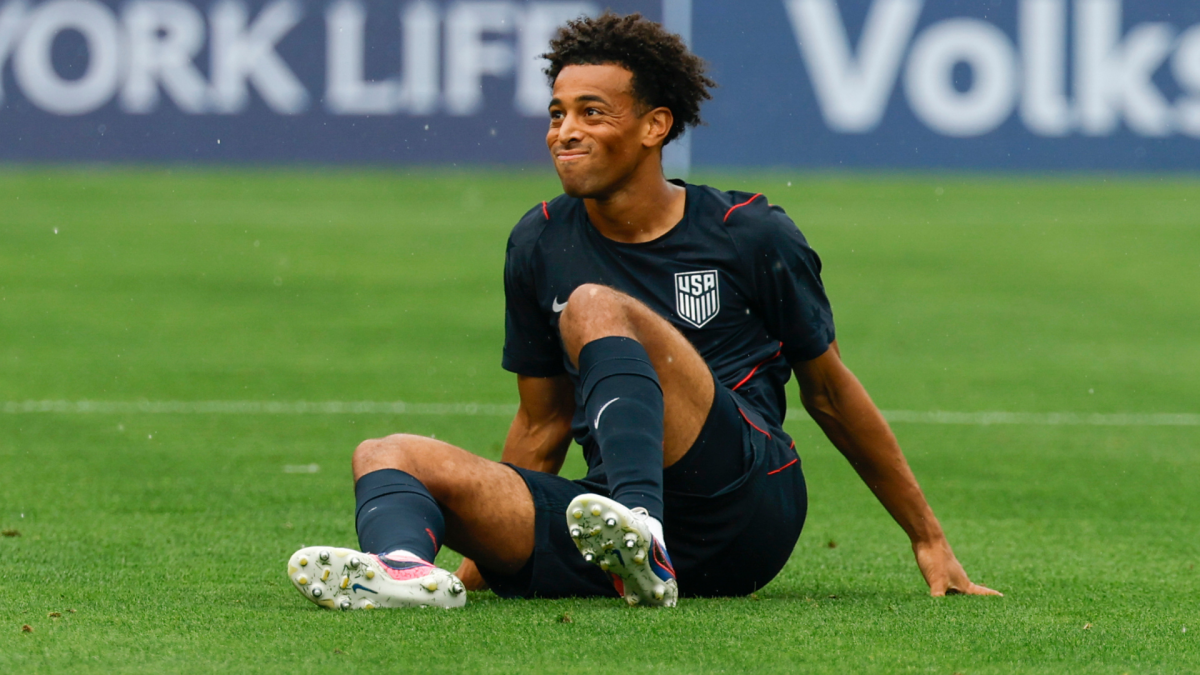
Day two of the 2026 World Cup places the host nations, the United States and Canada, at the centre of a critical juncture in the tournament. With the United States Men’s National Team (USMNT) and Canada set to face challenging fixtures, the narrative has shifted from general anticipation to specific concerns regarding player fitness and tactical execution. The stakes are high for both squads, with the USMNT expected to dominate their group while Canada fights for position in a competitive bracket.
The USMNT, managed by Mauricio Pochettino, enters the tournament with a 26-man squad that has drawn scrutiny for its structural balance. The return of Chris Richards to full training has alleviated immediate anxieties regarding the defensive roster, particularly the construction of the back line required to support wing-backs who push high up the field. However, the team’s operational capacity relies heavily on the fitness of midfielder Tyler Adams, who is tasked with being the primary ball winner and progressor.
Adams’ availability remains the most significant variable for Pochettino’s side. The 26-year-old, who joined Bournemouth from Leeds United after stints at RB Leipzig, delivered strong statistical performances in the Premier League last season, ranking fourth among midfielders for interceptions and within the top 30 for tackles, aerial duels, and clearances. Despite these metrics, his injury history is a persistent concern; he has cleared the 2,000-minute barrier only once in Europe. During the 2025-26 season, knee and hamstring issues led to a carefully managed workload in Bournemouth’s final seven league games, raising questions about his ability to withstand the physical demands of a World Cup.
In contrast, Canada, managed by Jesse Marsch, faces a different set of scrutiny regarding striker Jonathan David. Since joining Juventus from Lille, David’s goal output has dropped significantly, from 25 goals in the 2024-25 season to eight in the 2025-26 campaign. This decline has fueled speculation about the viability of his transfer, yet underlying performance metrics suggest a more nuanced reality. His combined non-penalty expected goals and expected assists remain comparable to his previous season, indicating that his positional quality and involvement in chance creation have not diminished despite the lower conversion rate.
As the tournament progresses, the USMNT’s success will likely be defined by Adams’ capacity to maintain high-intensity performances under the heat of a North American summer, while Canada’s prospects depend on whether David’s statistical consistency can translate into tangible results against Bosnia and Herzegovina. For both nations, the initial fixtures serve as a test of depth and resilience, with the margin for error appearing increasingly tight.