USMNT 2026 Roster Reveals Diverse Educational Paths Amid World Cup Build-Up
A detailed breakdown of the United States men’s national team’s 2026 World Cup roster highlights the different high school and educational backgrounds of the players, ranging from traditional US institutions to specialized international programmes.
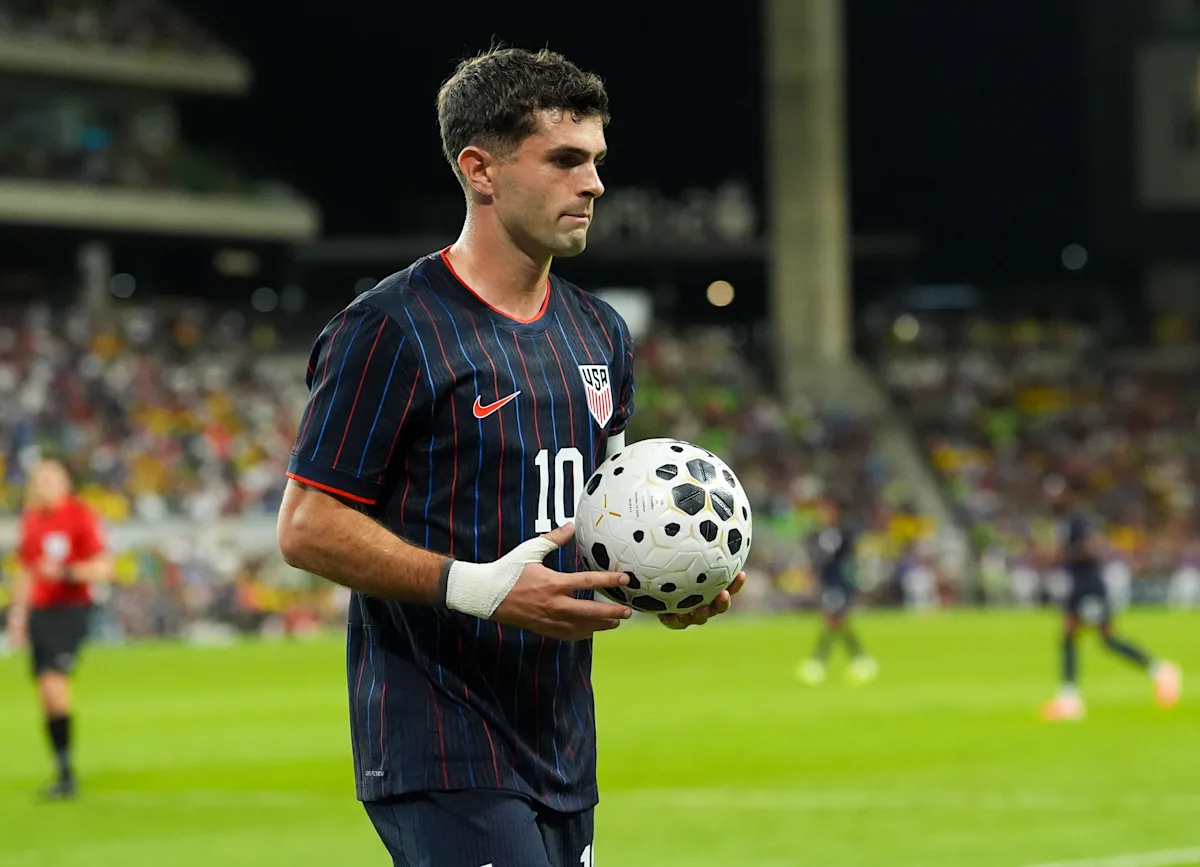
The United States men’s national team officially announced its 26-man roster for the 2026 FIFA World Cup on Tuesday, 26 May, during a televised broadcast in New York. Head coach Mauricio Pochettino selected the final squad for the tournament, which is co-hosted by the United States, Mexico, and Canada. The announcement marks a significant administrative milestone as the national side prepares for its first home World Cup since 1994.
A subsequent report detailed the high school and educational origins of the players, revealing a wide spectrum of academic experiences. While some players attended traditional high schools in the United States, others utilised European academies, online schooling, or homeschooling arrangements to accommodate the demands of professional training. This diversity in educational pathways underscores the complex logistics involved in developing elite football talent.
Several players followed conventional secondary education routes in the United States. Freese attended The Episcopal Academy in Newton Square, Pennsylvania, where he was named the 2016 Delaware County Player of the Year. Turner, who began playing soccer at age 14, went to St. Joseph's Regional High School in Montvale, New Jersey. Richards attended Hoover High School in Alabama before transferring to Lone Star School in Texas, while Scally attended Sachem High School in New York but did not play varsity soccer, signing a professional contract at 15.
Others bypassed traditional high school structures to focus on professional development. Balogun, born in London, bypassed high school and college to train with a professional academy. Reyna left formal education at 16 to join Borussia Dortmund in Germany, while Tillman attended the LoLothar-Faber-Schule in Stein, Germany, a specialised partner school designed to balance education with youth academy commitments. Adams also signed a professional contract at 16, meaning he never appeared in a prep soccer game.
International and alternative education models were also prevalent among the roster. Robinson, born in Liverpool, attended Halewood Academy in England before making his international debut for the USMNT. Zendejas was homeschooled while training with the US U-17 Men's National Team Residency Program in Florida. Pepi and Wright also utilised online schooling or residency programmes to finish their education while pursuing professional careers, with Wright signing his first professional contract at 16 after training in Bradenton.
The USMNT is scheduled to play three warm-up matches before their tournament opener against Paraguay on 12 June in Los Angeles. The roster includes players with varied backgrounds, from those who were high school standouts like Scally’s contemporary at Sachem, to those who transitioned to online schedules due to demanding club and national team commitments. The announcement in New York confirmed the organisational readiness of the squad ahead of the competitive phase of the World Cup.