USDA Secretary: Food Supply Secure Following Texas Screwworm Cases
The United States will utilise the sterile insect technique, a strategy employed since the late 1950s, to manage new infestations detected in Texas.
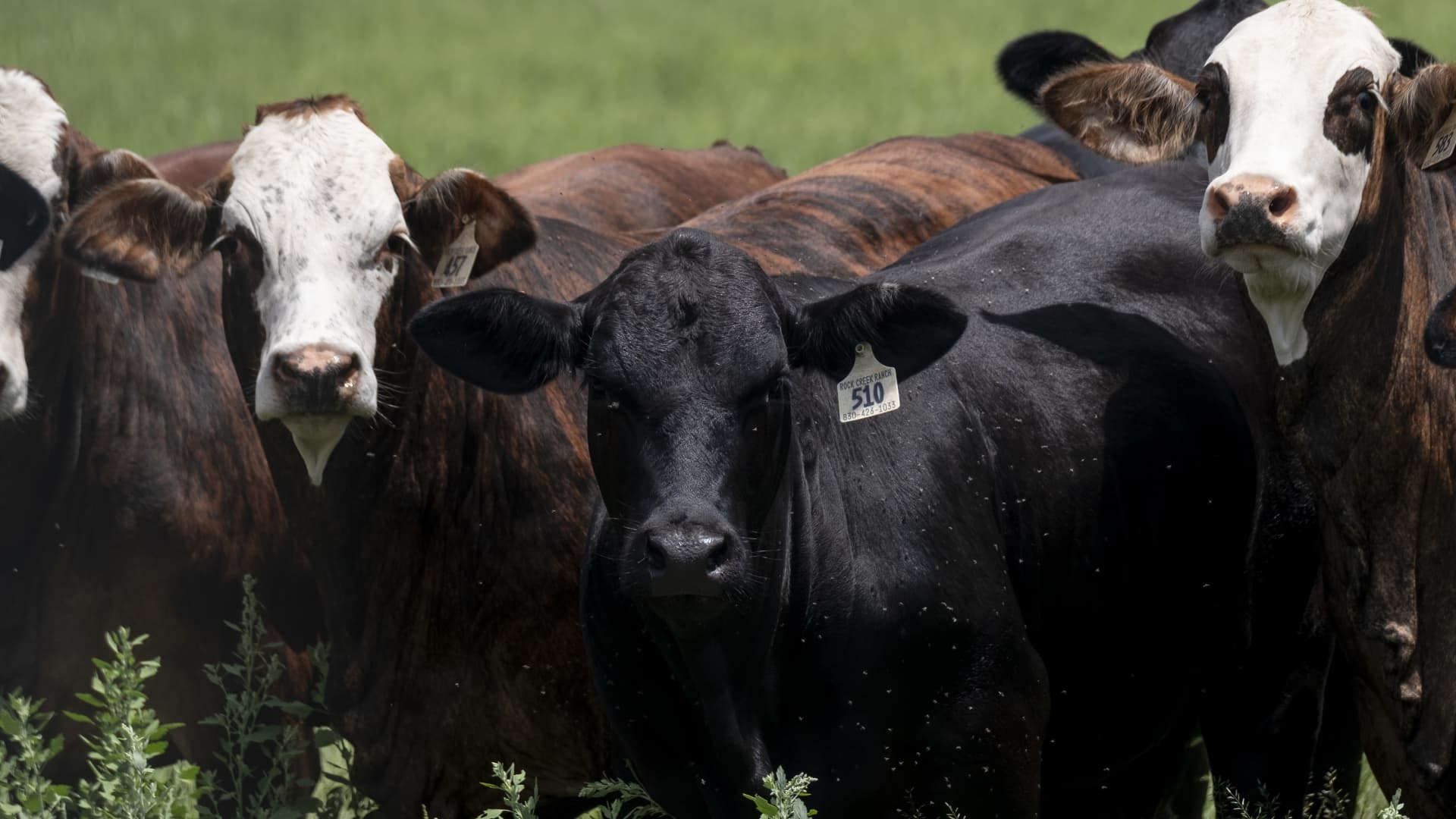
US Secretary of Agriculture Brooke Rollins has stated that the US food supply remains secure following the detection of new screwworm cases in Texas. The confirmation comes as the Department of Agriculture moves to address the infestation using established protocols designed to manage the pest without disrupting broader agricultural markets or consumer supply chains.
Rollins emphasised that the national food supply is not at risk, providing assurance to investors and consumers alike regarding the stability of the sector. While screwworms primarily affect livestock health rather than posing a direct threat to human food consumption, the USDA’s position is that the broader agricultural output remains protected from significant disruption.
To contain the spread of the pest, the United States will revert to the control methods utilised since the late 1950s. This approach centres on the sterile insect technique, which involves the mass release of sterile insects to suppress the wild pest population. This method has a long historical precedent in US agricultural management and is viewed as a reliable mechanism for population control.
The deployment of this playbook signals a return to proven regulatory and operational strategies rather than the introduction of novel interventions. By leveraging decades of experience in pest suppression, the USDA aims to mitigate the impact of the Texas cases on livestock sectors efficiently.
The situation highlights the resilience of established agricultural defence mechanisms. As the sterile insect releases proceed, the focus remains on maintaining the integrity of the food supply chain while managing the specific biological threat posed by the screwworms in the affected region.