USDA investigates possible New World screwworm breach in South Texas
The US Department of Agriculture has activated emergency protocols following reports of a potential screwworm infection in Texas, raising stakes for the $900 million annual savings the parasite’s absence provides.
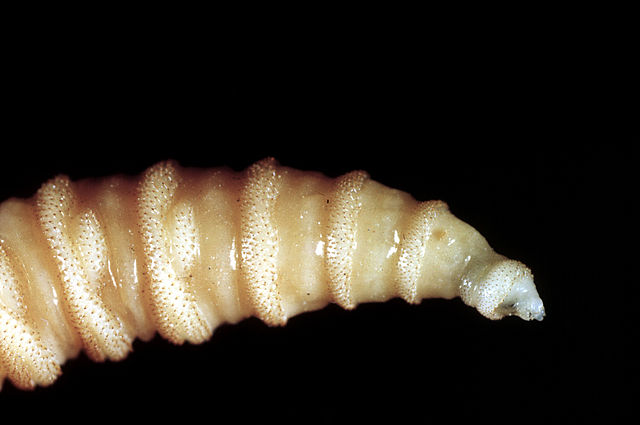
The US Department of Agriculture (USDA) has reported a possible case of New World screwworm in South Texas, with a sample dispatched to the National Veterinary Services Laboratories in Ames, Iowa, for confirmatory testing. If the diagnosis is verified, this would mark the first detected breach of the US-Mexico border by the parasite, which has been advancing northward through Central America since a biological barrier was breached in 2022.
Agriculture Secretary Brooke Rollins described the situation as a very serious threat to livestock during a media call on Tuesday. While the USDA confirmed it has activated personnel on the ground and is working with local partners, Rollins initially disputed claims that the fly had already entered the United States, emphasising the need for definitive laboratory results before confirming a border breach.
The detection follows unconfirmed reports from Texas State Representative Don McLaughlin, who stated that samples taken from two calves on a ranch in La Pryor, Texas, were being tested for possible infection. McLaughlin noted that one calf had an infection on its umbilical cord wound and that larvae observed in images resembled screwworm larvae. However, he acknowledged the diagnosis remained unconfirmed, and it is currently unclear whether the sample reported by the USDA is one of those previously highlighted by McLaughlin.
New World screwworm larvae infest the open wounds of warm-blooded animals, causing significant tissue damage and often death in livestock. The parasite was successfully eradicated from the United States and Mexico by 2025 through the Sterile Insect Technique, which involves releasing large numbers of sterilised male flies to disrupt breeding. The USDA estimates that keeping the parasite out of the US saves the livestock industry $900 million each year.
In response to the advancing threat, the USDA is currently dispersing 100 million sterile insects per week in Mexico and along the US-Mexico border. The agency is also constructing a $750 million sterile fly production facility in South Texas to bolster containment efforts. Recent cases have been detected in Coahuila, Mexico, including one in a goat just 25 miles from the border, underscoring the urgency of the current investigation.