USB flash drives defy obsolescence as SSD prices surge past $1,000
With the Samsung 990 Pro 4TB SSD jumping from $318 to $1,100 in nine months, users are returning to USB flash drives for cost-effective file transfer and bootable media creation.
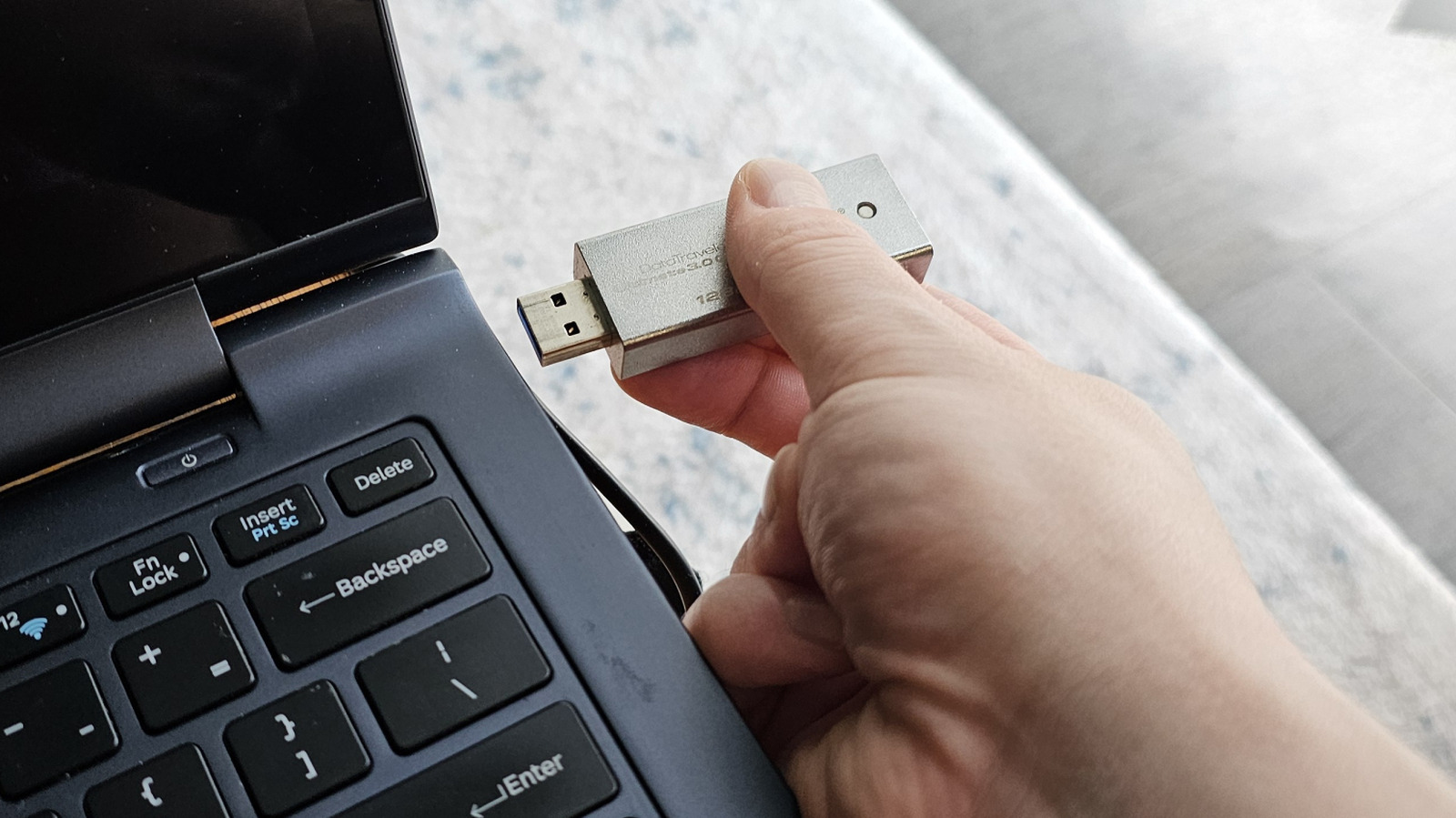
The humble USB flash drive is experiencing a significant resurgence, challenging earlier predictions of its imminent obsolescence. According to the Museum of Obsolete Media, the technology carries a low risk of becoming obsolete, provided USB ports remain a standard interface on consumer devices. This renewed interest is not driven by technological superiority, but by a sharp divergence in pricing between legacy portable storage and modern solid-state drives (SSDs).
The shift in consumer behaviour follows a dramatic escalation in SSD costs that began in late 2025. Surging demand for data centre storage and memory, coupled with a decline in personal computer sales, has sent prices into the stratosphere. Data from Engadget highlights the severity of this trend: the Samsung 990 Pro 4TB SSD, which retailed for $318 in November 2025, was listed at $1,100 by August 2026. This price increase has rendered high-capacity solid-state storage prohibitive for many users who previously relied on it as the primary portable medium.
In contrast, USB flash drive prices have risen at a significantly slower rate, preserving their value proposition for specific use cases. While SSDs offer superior transfer speeds, larger capacities typically exceeding 1TB, and greater durability through protective housings, they are increasingly impractical for budget-conscious consumers. A five-pack of PNY 64GB USB 3.0 flash drives remains available for approximately $43, offering a substantially lower per-gigabyte cost compared to the premium SSD market.
Google Trends data indicates that this economic pressure has translated into consumer action, with a massive spike in search interest for terms such as "USB flash drive portable" and "USB flash drive 128GB" emerging in early 2026. The technology remains the preferred medium for tasks that do not require high throughput or massive storage, such as transferring smaller documents, creating bootable media for operating systems like Linux or Windows 11, and running portable environments like Tail OS.
Despite the limitations of flash drives—such as slower transfer speeds and maximum capacities often capping at 128GB, which are insufficient for large 4K video libraries—they continue to serve as a reliable tool for IT diagnostics and emergency data access. As the AI boom continues to strain storage supply chains, the economic reality of skyrocketing SSD prices ensures that USB flash drives will remain a relevant and economical option for everyday data management.
