US Voters Turn Against Trump's Economic Record as Inflation and Iran War Bite
High inflation and the ongoing conflict in Iran are cited as the primary drivers behind the decline in public confidence in the administration's economic management.
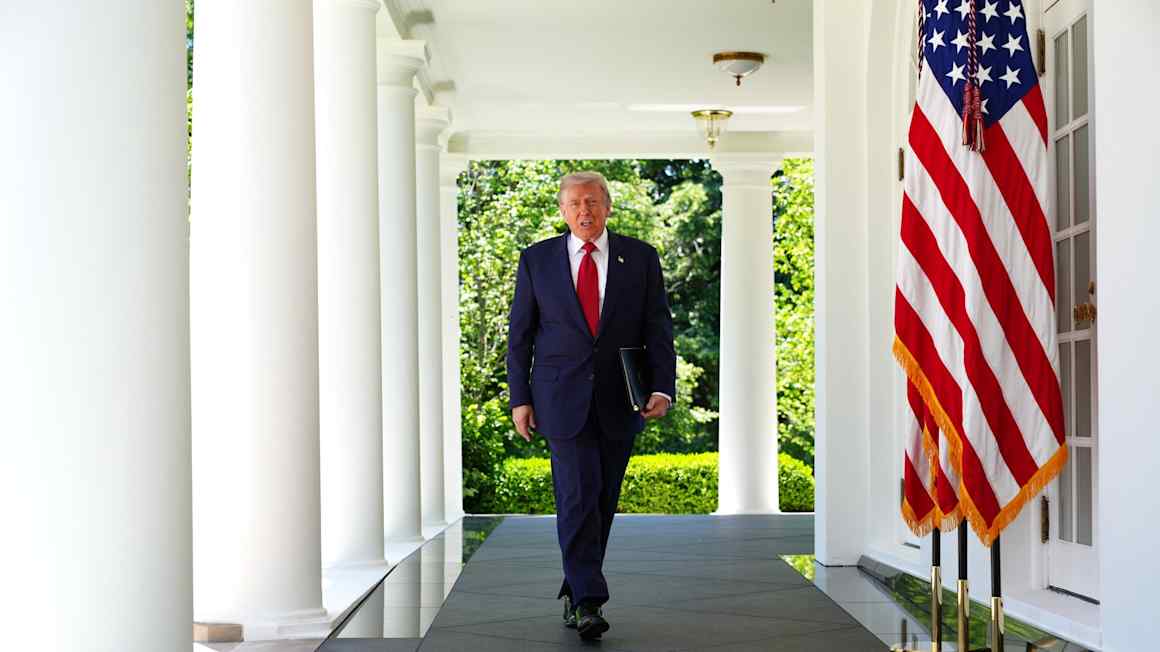
A significant shift in public sentiment has emerged regarding the current economic direction of the United States, according to a recent survey conducted by the Financial Times. The data indicates that more than half of US voters now disapprove of Donald Trump's handling of the economy, marking a notable downturn in approval ratings for the president.
The Financial Times poll attributes this widespread dissatisfaction to two specific and pressing issues: the ongoing war in Iran and persistently high inflation rates. These factors appear to have eroded the confidence of the electorate, creating a challenging environment for the administration as it navigates complex global and domestic economic pressures.
Beyond the immediate metrics of approval, the survey findings suggest broader implications for the political landscape ahead. Analysts interpreting the data warn that these economic grievances could weigh heavily on the Republican Party's prospects in the upcoming midterm elections. The correlation between voter dissatisfaction with economic performance and potential electoral losses highlights the sensitivity of the electorate to fiscal stability and foreign policy outcomes.
The report underscores a critical juncture for US politics, where traditional economic indicators are directly influencing voter behaviour. The explicit linkage drawn by the Financial Times between the Iran conflict, inflation, and the drop in support suggests that these are not merely background issues but central concerns for the American public.
While the specific methodology and sample size of the Financial Times survey were not detailed in the available reporting, the headline finding of majority disapproval carries significant weight. The results serve as a stark reminder of the volatility in public opinion when economic conditions deteriorate alongside geopolitical instability.
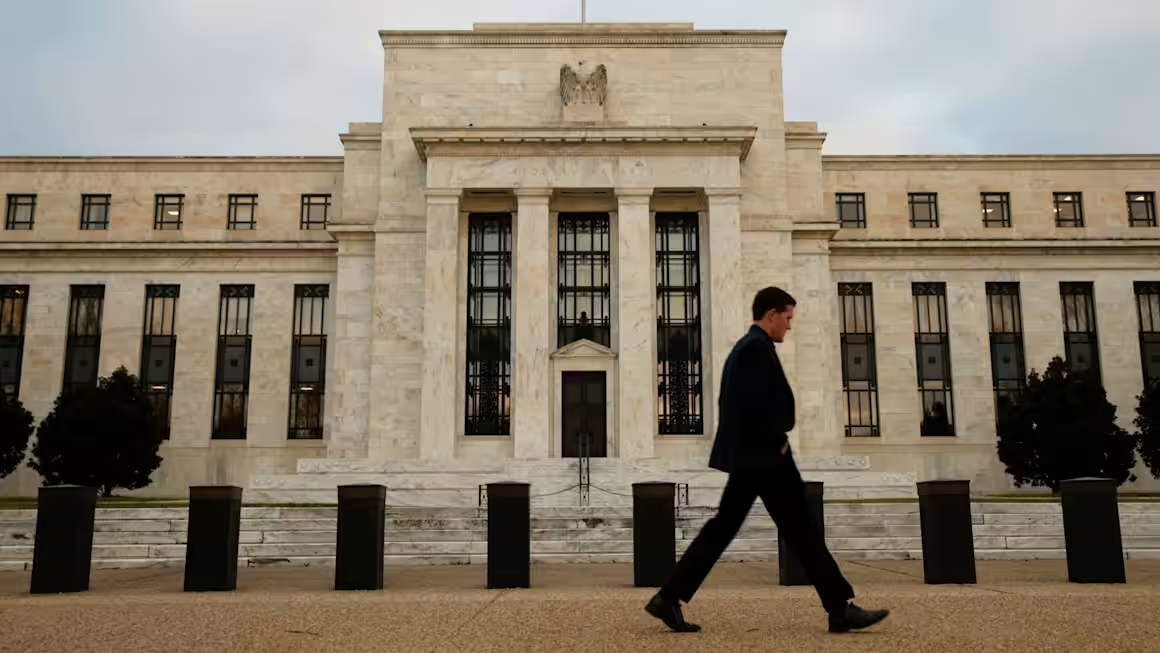
This polling data arrives amidst a broader context of political developments in Washington, including recent changes to investigations involving the Federal Reserve. However, the core narrative presented by the Financial Times remains focused on the direct impact of economic policy and foreign conflict on voter sentiment. The implications for the Republican Party's future strategy are evident, as they face a electorate increasingly critical of the current economic trajectory.