US Treasury doubles bond buybacks as debt worries persist
The US Treasury’s surprise decision to double long-end bond buybacks to at least $4 billion per operation briefly stemmed a global rise in long-term borrowing costs. However, lingering concerns about inflation and expanding government debt sent longer-dated Treasury yields higher again on Thursday, while the dollar edged up.
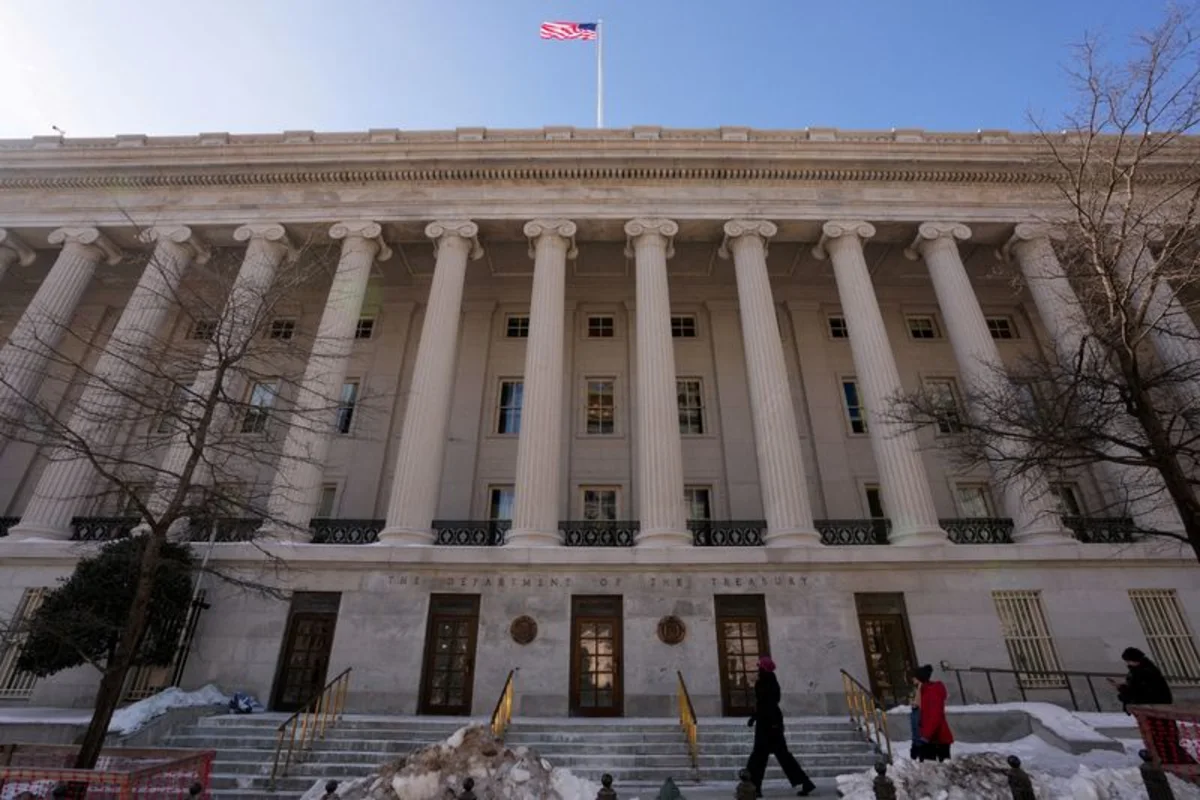
The US Treasury responded on Wednesday to US long-bond yields hitting their highest level since 2007 by doubling long-end buybacks to at least $4 billion per operation. The move was seen as a sign of the administration’s sensitivity to rising long-term rates, though analysts noted the amount is negligible in a $32 trillion market and unlikely to have a meaningful long-term effect on yields.
The US 30-year yield fell nine basis points overnight following the announcement but rose 5.4 basis points on Thursday to 5.249%, edging back towards Tuesday’s 19-year high of 5.34%. The US 10-year Treasury yield also rose 5.3 basis points on Thursday to 4.71%, eroding some of the previous day’s fall. In the currency market, the dollar index stood at 98.832 on Thursday, partly recovering from Wednesday’s lows after the currency dropped almost 1% in its biggest one-day fall since March.
Michael Goosay, chief investment officer of fixed income at Principal Asset Management, said any intervention typically does not work well in the long term, with yields tending to return to previous levels. He noted that the reality is borrowing needs require broad curve coverage, making this kind of change unlikely to have a meaningful effect on long bond yields.
JPMorgan analysts said in a note that the Treasury’s announcement does little to address the underlying issues pushing bonds higher, which they said include unsustainable fiscal deficits and rising inflation expectations. Chris Turner, ING’s Global Head of Markets, said the announcement gives, at the margin, a bit more comfort that long bonds are not going to have a disorderly selloff, helping to switch back to a risk-on, slightly dollar-off environment.
Worldwide long-term borrowing costs have hit multi-decade highs as governments accumulate record debt to fund welfare, defence spending, and crisis responses. US debt has topped $40 trillion, more than doubling since 2017, driven by pandemic responses and long-running tax and spending imbalances.
In Japan, surging yields have lifted borrowing costs to three-decade highs, pressuring government finances and the cost of an ambitious spend-to-grow agenda. Germany’s Finance Ministry stated that Russian aggression is driving up funding needs for massive defence investment, pushing borrowing costs higher, though Germany’s 30-year yield fell only slightly from Wednesday’s 15-year high.
Eric Robertsen, global head of research and chief strategist at Standard Chartered, said he would not describe the increase in US Treasury yields as a function of or exacerbated by irrational market conditions. He suggested that yields reached a level that the administration does not like, indicating a willingness to try and control or intervene against natural supply and demand.