US trade strategy pivots from temporary tariffs to permanent structural lock-in
Markets rally on Beijing summit outcomes as Washington moves to entrench economic advantages, leaving European competitors with only a temporary reprieve.
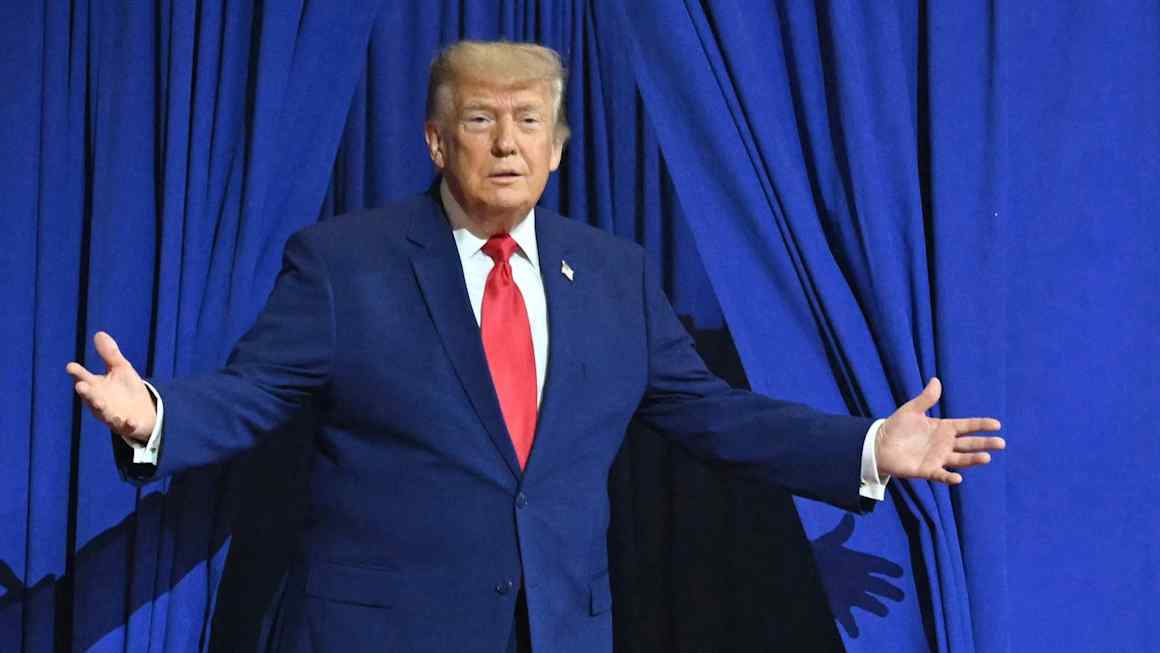
The United States administration is fundamentally altering its approach to international commerce, moving away from transient tariff demands toward entrenched structural arrangements. According to a report by the Financial Times, the strategic pivot is designed to secure permanent compensation for the "superpower services" the nation provides globally, marking a shift from what analysts have described as a shakedown to a long-term lock-in of economic advantages.
This policy realignment coincides with a high-stakes diplomatic engagement in Beijing, where President Donald Trump and President Xi Jinping commenced a two-day summit. The agenda for the talks encompassed trade relations, artificial intelligence development, and regional tensions, including issues pertaining to Iran. The administration’s stated objective is to ensure the United States is adequately reimbursed for its role as a global superpower, signalling a departure from previous negotiation tactics.
Market participants reacted positively to the developments emerging from the Chinese capital. On Thursday, the Dow Jones Industrial Average rose by 0.8 per cent, while the S&P 500 and Nasdaq Composite gained 0.3 per cent and 0.2 per cent respectively. The rally was bolstered by news that the United States had approved the sale of H200 chips to Chinese firms, a move that sent Nvidia shares surging more than 2 per cent.
While the immediate market response was bullish, the structural changes to trade policy present complex implications for international competitors. European entities currently benefit from a relative competitive edge, having received temporary reprieves from broader tariff overhauls. However, analysts caution that this advantage is likely transient, as the US administration’s focus on permanent arrangements suggests that current market conditions may not persist indefinitely.
The shift towards permanent lock-in mechanisms raises questions about the longevity of global trade stability. With the administration explicitly framing the new strategy around securing payment for its global services, the transition from temporary demands to fixed economic frameworks will likely define the near-term trajectory of international commerce. Investors and policymakers are now assessing how these entrenched arrangements will reshape the competitive landscape beyond the current reprieves.