US threatens to raise tariffs on European vehicles to 25 per cent
The move aims to pressure automakers to shift production to American soil, triggering immediate declines in major European stocks
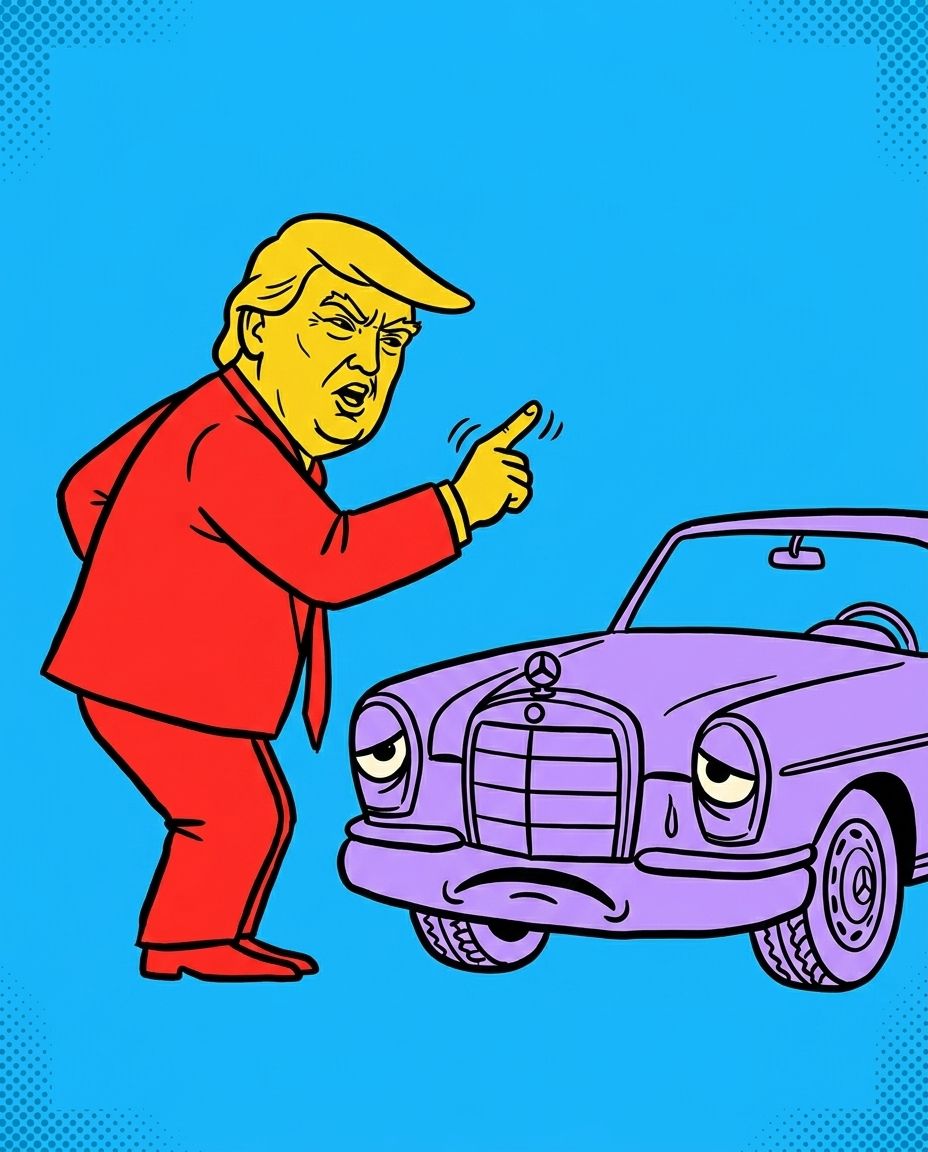
President Donald Trump has announced plans to increase tariffs on vehicles imported from the European Union to 25 per cent, a significant rise from the 15 per cent rate established under a trade agreement reached last summer. The White House administration states that this escalation is a direct response to what it describes as the EU's failure to fully comply with the terms of the deal, specifically regarding the timeline for ratification.
While EU lawmakers advanced the necessary legislation in March, the administration argues that full ratification was not completed until June, constituting a breach of the agreement's conditions. In contrast, Eurogroup President Kyriakos Pierrakakis has insisted that Brussels has met all its commitments under the deal. The European Commission has stated it is keeping all response options open, though officials have dismissed the US claims as unnecessary given the broader economic pressures already facing the continent.
The announcement has sent shockwaves through the automotive sector, with European stocks reacting immediately to the threat. On Monday, Continental shares slid more than four per cent, while Mercedes-Benz dropped around 2.5 per cent. Volkswagen fell roughly 1.5 per cent and BMW lost close to three per cent. Consequently, the pan-European STOXX Europe 600 Automobiles and Parts index fell 0.7 per cent, marking its worst performance among regional sectors.
The stated objective behind this tariff threat is to force European automakers to increase vehicle production within the United States. This framing goes beyond simple trade enforcement, positioning the measure as a pressure campaign to reshape where cars are manufactured. The practical effect would be a potential 25-percentage-point increase in the cost of selling cars in the US, forcing manufacturers to either absorb the hit to their margins, raise prices for American consumers, or accelerate costly production shifts to US soil.
This development arrives against a backdrop of existing global economic instability, including spiking energy prices and shipping disruptions linked to the Iran war and the Strait of Hormuz. The automotive industry is currently navigating a complex transition to electric vehicles while facing rising competition from Chinese manufacturers. For an industry that is a cornerstone of the German economy, any disruption could lead to broader industrial slowdowns and job losses in the region.
The uncertainty itself poses a significant risk to long-term investment decisions, as businesses struggle to plan around a trade relationship where terms shift without warning. While the EU has indicated that retaliatory tariffs are a live possibility, the immediate focus remains on whether this threat is a negotiating tactic or a firm policy commitment that will erode confidence in transatlantic commerce.