US Telehealth Providers Activate Misoprostol-Only Protocols Amid Mifepristone Legal Uncertainty
Medical bodies endorse the alternative method despite warnings of increased side effects; legal and legislative battles over medication abortion access intensify
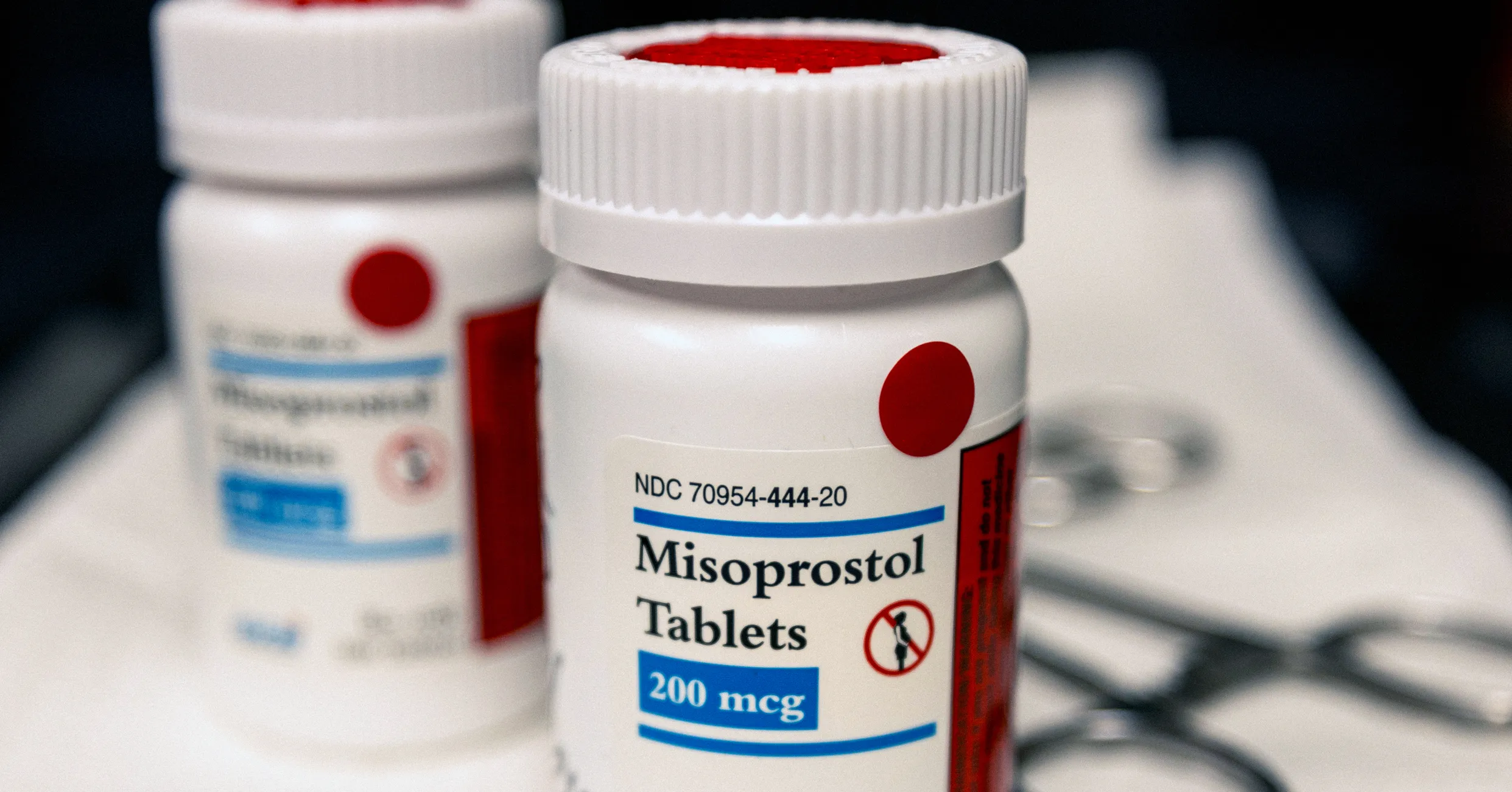
Major telehealth abortion providers in the United States, including Carafem and Planned Parenthood, have activated contingency protocols to prescribe misoprostol alone following a federal appeals court ruling that reinstated in-person dispensing requirements for mifepristone. This strategic shift marks a return to a backup approach previously utilised during the early days of the pandemic, ensuring continued access to medication abortion services despite the legal restrictions on the dual-pill regimen.
The decision to pivot to a single-drug protocol comes after the appeals court mandated that mifepristone must be obtained in person, creating immediate uncertainty for patients seeking treatment through virtual clinics. While the standard dual-pill combination of mifepristone and misoprostol remains the preferred method for efficacy, providers confirmed they are prepared to switch to misoprostol-only prescriptions if the legal landscape prevents the dispensing of the first drug.
A temporary reprieve was issued by the US Supreme Court on Monday, which pauses the appeals court ruling until 11 May. This stay restores telehealth access to mifepristone for at least one week, allowing patients to utilise the standard protocol again. However, Carafem and Planned Parenthood maintain that they are fully prepared to revert to the misoprostol-only approach should the stay not be extended or if the ruling takes full effect.
Medical authorities, including the World Health Organisation and the American College of Obstetricians and Gynaecologists, endorse the misoprostol-only regimen as a safe and effective alternative when mifepristone is unavailable. Nevertheless, providers caution that this single-drug method is slightly less effective than the combined regimen and may result in more intense or prolonged side effects, such as nausea, vomiting, and uterine cramping, often requiring multiple doses compared to the single dose typically needed with mifepristone.
The legal volatility surrounding these medications is compounded by ongoing legislative threats, including a bill introduced by Senator Josh Hawley aimed at banning mifepristone. Activists and legal experts note that while the FDA has historically aligned with scientific evidence regarding the drug's safety, the politicisation of the agency creates uncertainty about enforcement discretion and the potential for civil repercussions against providers who continue to offer remote access.
Despite these challenges, reproductive health advocates emphasise that access to care will persist through various channels, including international clinics and peer-to-peer networks. As the Supreme Court prepares to review the case again on 11 May, the focus remains on ensuring that patients in states with strict abortion restrictions can still obtain safe and legal medication abortion services.
