US tariff refund portal operating smoothly as first rebates approach
Following the Supreme Court's invalidation of broad tariffs imposed by the Trump administration, importers are navigating a system that could return up to $166 billion in payments.
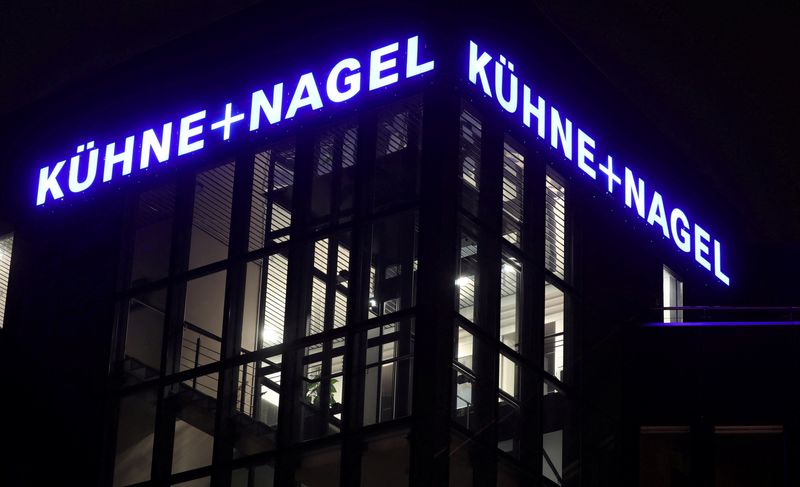
The online mechanism for reclaiming US tariff payments, which the Supreme Court ruled illegal, is functioning more smoothly than anticipated, according to a senior executive at Swiss freight forwarder Kuehne und Nagel. Greg Tompsett, senior vice president of the firm's US customs unit, described the system's performance as very positive and almost surprisingly so, noting that the functionality has allowed for effective submissions on behalf of their clients.
This assessment comes as the US Customs and Border Protection agency estimates that the first electronic refunds will commence on 12 May. The portal was launched last month following the high court's decision to overturn broad tariffs imposed by the Trump administration in the previous year, a move that has enabled importers to seek rebates of up to $166 billion.
Kuehne und Nagel reports that thousands of its customers have already submitted filings through the system. This volume represents the vast majority of the Swiss company's US-importing clients, indicating a significant uptake in the refund process since its inception. The firm is actively supporting these clients by formatting data spreadsheets, uploading submissions to the US customs portal, and monitoring developments to ensure compliance.
Despite the positive operational feedback, concerns remain regarding the scrutiny of filings submitted during the chaotic period of the previous year. Tompsett noted that the unprecedented pace of regulatory changes last year necessitates absolute confidence in the accuracy of previously filed data. Clients have expressed specific worries about potential additional examination of these submissions, highlighting the delicate nature of the administrative review.
The potential financial impact of this refund process is substantial, with the $166 billion figure representing the maximum rebates sought. However, the final total will depend on the number of successful claims and the specific amounts disputed by individual importers. While the current trajectory suggests a streamlined process, the ultimate outcome remains contingent on the resolution of individual cases and the volume of claims processed.
As the first disbursements approach, the focus remains on ensuring the integrity of the data submitted during the turbulent regulatory environment of the past year. The collaboration between logistics firms and customs authorities appears to be stabilising the process, offering relief to importers who had previously faced uncertainty over the legality of the tariffs they paid.