US surveillance authority lapses as Congress rejects Section 702 extension
The US House of Representatives failed to extend Section 702 of the Foreign Intelligence Surveillance Act, marking the first lapse since 2008. Opposition from Democrats and a faction of Republicans, citing concerns over the proposed director’s lack of experience and potential misuse of data, blocked the measure.
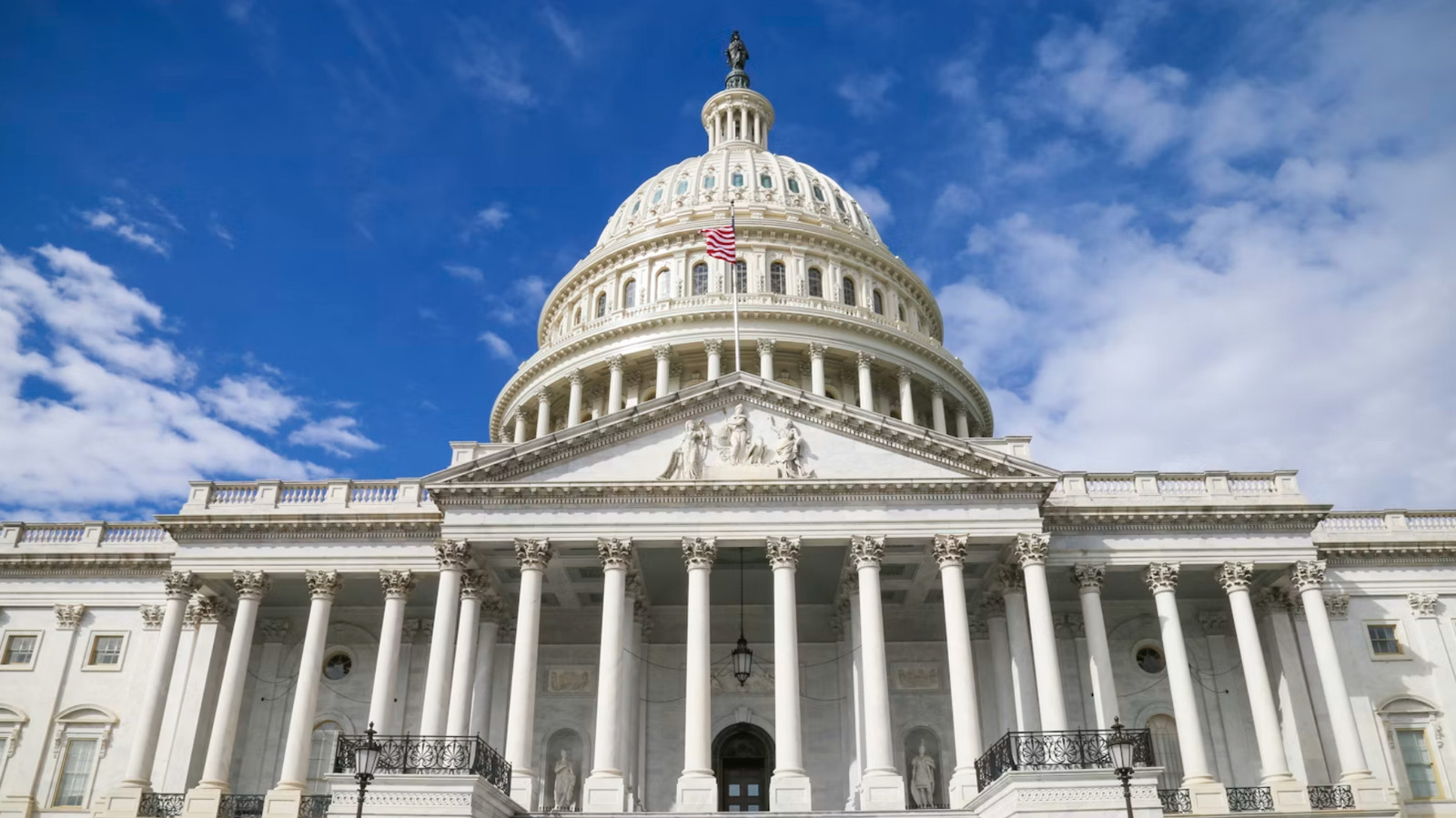
The US House of Representatives has allowed Section 702 of the Foreign Intelligence Surveillance Act (FISA) to lapse for the first time since 2008, following a failed vote to extend the controversial surveillance authority. The House rejected an extension motion by a vote of 218-198, with the measure failing to secure even a simple majority despite requiring only a two-thirds majority to pass. Nearly 20 Republicans joined Democrats in voting against the motion, effectively ending the law’s operation until the House is expected to vote again on June 23.
The legislative stalemate coincides with President Trump’s nomination of political ally Bill Pulte as director of national intelligence. Democrats have raised significant concerns regarding Pulte’s lack of intelligence experience and fears that he could misuse sensitive data gathered under Section 702 for political or personal purposes. Pulte had previously made allegations against Federal Reserve board member Lisa Cook regarding mortgage fraud, which were debunked; Cook was subsequently removed from her post by Trump in August.
While Trump has nominated Jay Clayton, the top federal prosecutor in New York City, for the director role, he has suggested Pulte could serve in an acting capacity. Senator Mark Warner demanded a clear guarantee that Pulte would not serve as acting DNI, highlighting the political friction surrounding the appointment. House Minority Leader Hakeem Jeffries and other Democratic leaders stated they could not support reauthorisation without significant reforms to protect constitutional privacy rights.
Section 702 permits warrantless surveillance of foreign targets located outside the United States and allows agencies such as the NSA and FBI to surveil Americans if the action is "reasonably likely" to collect information about foreign intelligence. The law has been in effect for nearly 20 years, surviving renewals under multiple presidencies from both major parties. However, its implementation has faced scrutiny due to past violations by intelligence agencies.
The FISA court identified tens of thousands of improper database searches by law enforcement agencies in 2017 and 2018. A judge ruled in 2019 that the FBI and NSA committed multiple violations of the law or court orders when collecting data from phone and tech companies. Concurrently, Senator Ron Wyden blocked proposed extensions for the law in the Senate, ensuring the authority expires without legislative intervention in the immediate term.