US Supreme Court ruling triggers surge in 3PL insurance premiums
TD Cowen analysts warn that the gap between carrier and broker insurance costs is set to narrow, with renewal rates jumping up to five times current levels.
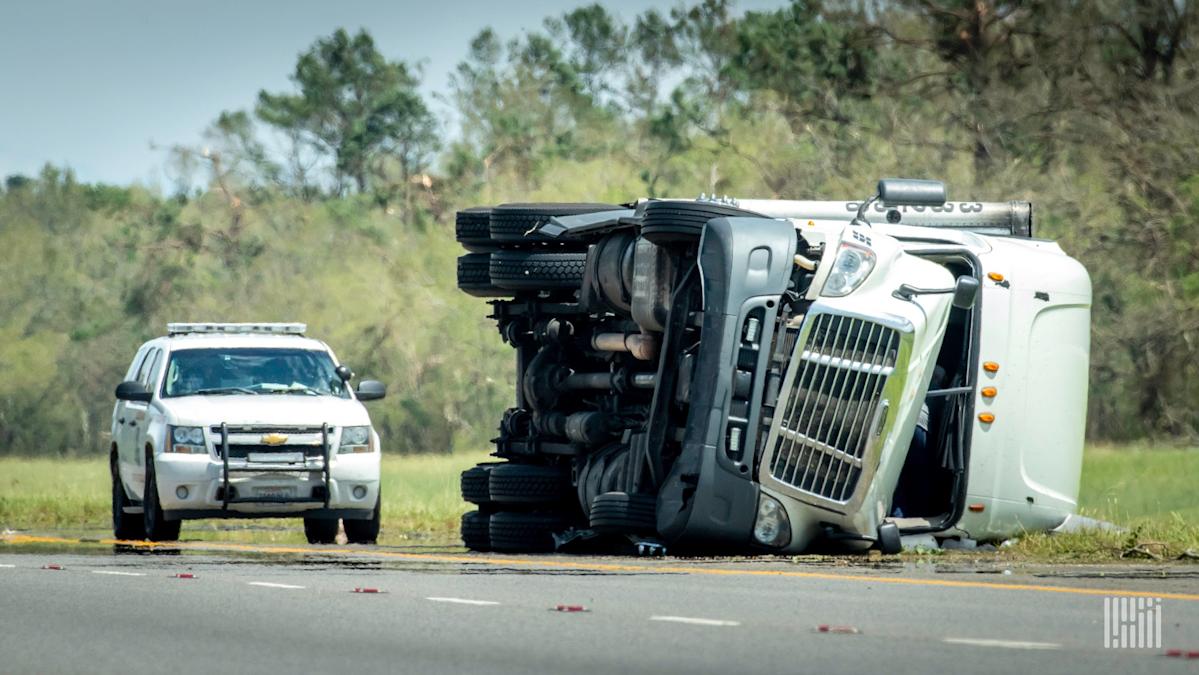
The United States Supreme Court’s decision in Montgomery vs. Caribe Transport II has intensified scrutiny on third-party logistics (3PL) insurance premiums, prompting industry analysts to predict significant cost increases for brokerage firms. A report by TD Cowen indicates that the disparity in insurance costs between asset-based carriers and 3PLs may narrow, as brokers face greater liability exposure under the new legal precedent.
While current broker premiums are approximately 10% of carrier costs, some industry sources report renewal rate hikes of up to 300% or five times current rates. The shift may also remove 6-7% of trucking capacity from the market as brokers distance themselves from carriers with unresolved safety issues to mitigate potential liability.
TD Cowen analyst Jason Seidl, who conducted a roundtable with key industry opinion leaders, noted that the gap in insurance costs between an asset-based carrier and a 3PL was previously estimated at about 90 percentage points. For every $1 spent by a carrier, the 3PL spends roughly 10 cents. The report suggests this disparity is expected to narrow significantly over the coming years, though no firm estimate was given for the extent of the closure.
Chris Burroughs, president of the Transportation Intermediaries Association, stated that broker insurance costs typically range from 1% to 3% of revenue. However, he reported hearing anecdotal estimates of a fivefold increase in some cases. Independent attorney Tyler Biddle also noted that underwriters are currently reassessing the landscape, with one good-sized brokerage firm facing renewal discussions involving a 300% increase in rates.
The broader context for these increases includes data from the Council of Insurance Agents & Brokers (CIAB), which indicates that commercial auto insurance has seen annual price increases of at least 6% since the first quarter of 2018. This trend is driven by social inflation and nuclear verdicts, with commercial auto insurance identified as the product line with the highest rate increase among those tracked.
TD Cowen highlighted the insurance structure of C.H. Robinson, a defendant in the Montgomery case, which holds $135 million in auto liability limits with a $10 million per-claim deductible. The firm described this structure as a mitigant to premium costs, similar to asset-based players who absorb small claims while insuring against large nuclear verdicts. In contrast, other brokers may need to raise coverage levels, potentially leading to profit and loss volatility.
Approximately 6-7% of trucking capacity, classified as conditional carriers with unresolved safety issues reported to the Federal Motor Carrier Safety Administration, may be removed from the market. Brokers are increasingly looking to distance themselves from these carriers to reduce liability exposure, a move that could restrict their ability to gain market share on price and raise the floor on trucking rates.