US Stocks Retreat as Investors Await Iran-US Peace Talks and Mixed Corporate Earnings
Whirlpool shares tumble on recession-level demand, while Datadog surges more than 30% driven by artificial intelligence growth.
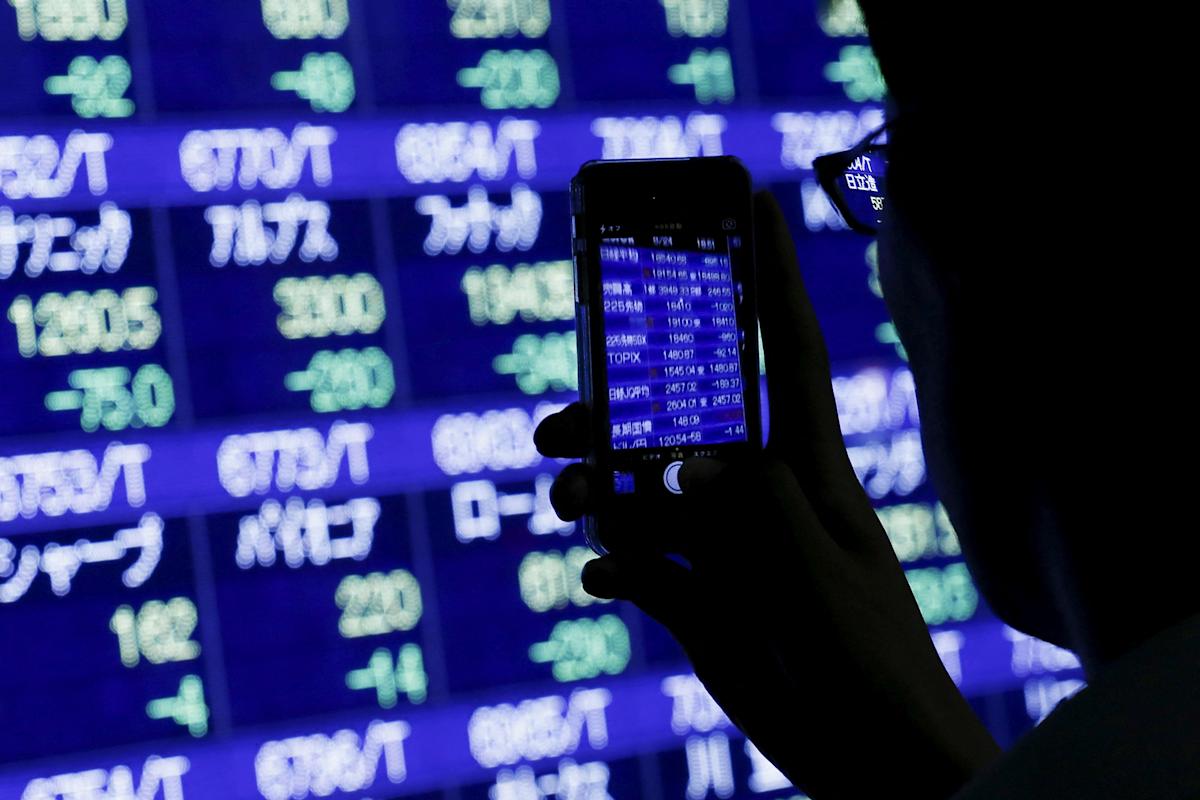
US stock indices posted declines on Thursday as investors paused to await Iran's response to a peace proposal concerning the blockade of the Strait of Hormuz. The Dow Jones Industrial Average fell 0.5%, the S&P 500 dropped 0.3%, and the Nasdaq Composite slipped 0.1%, marking a retreat from recent record highs. Market sentiment remains heavily influenced by the potential resolution of the near-10-week conflict, with traders closely monitoring Tehran's reaction to Washington's framework for negotiations.
While the geopolitical uncertainty weighed on equities, crude oil prices responded positively to the prospect of eased tensions. Brent crude futures fell below $100 a barrel, a move that alleviated inflation concerns and helped spur a rally in gold prices. The decline in energy costs also contributed to a drop in bond yields, further supporting the precious metal as the US dollar fell to pre-war levels.
Corporate earnings released during the session revealed a stark divergence between struggling traditional manufacturers and high-growth technology firms. Shares in Whirlpool, the appliance maker behind brands such as Maytag and KitchenAid, dropped significantly after reporting first-quarter results that missed Wall Street expectations. The company cited dire demand conditions, describing consumer confidence levels as the worst since the 2007/2008 financial crisis.
Whirlpool reported that demand for major appliances in the US and Canada reached recession-level lows, leading to a revenue decline of nearly 10% year on year. The adjusted loss per share was $1.43, far worse than the Street forecast of a $0.36 loss. Chief Financial Officer Roxanne Warner attributed the downturn to a perfect storm of low consumer sentiment fuelled by the impact of the Iran war and winter weather.
In sharp contrast, cloud monitoring and security leader Datadog saw its shares surge by more than 30%, marking the largest jump for the company in six years. The firm raised its full-year revenue forecast to between $4.3 billion and $4.34 billion, citing artificial intelligence as a leading driver for growth. CEO Oliver Pommel noted that the company had secured significant deals with the AI research divisions of two of the world's largest technology companies.
The broader market landscape also saw activity in the semiconductor sector and initial public offerings. Apple notched its first intraday record high since December, while the Roundhill Magnificent Seven ETF hit an all-time intraday record. Meanwhile, space analytics firm HawkEye 360 raised $416 million in its US initial public offering, adding to a week of varied economic data including a Challenger report on layoffs and weekly jobless claims figures.
As the week concludes, market participants remain focused on the upcoming monthly jobs report on Friday and the continued evolution of the Iran-US negotiations. The contrast between the distress in the manufacturing sector and the robust performance of AI-driven technology highlights the shifting dynamics of the current economic environment.