US space policy targets 1,000 annual launches by 2030
A new presidential memorandum replaces a 2013 framework, directing federal agencies to coordinate infrastructure upgrades and identify new federal land for heavy-lift reentry to meet surging commercial and military demand.
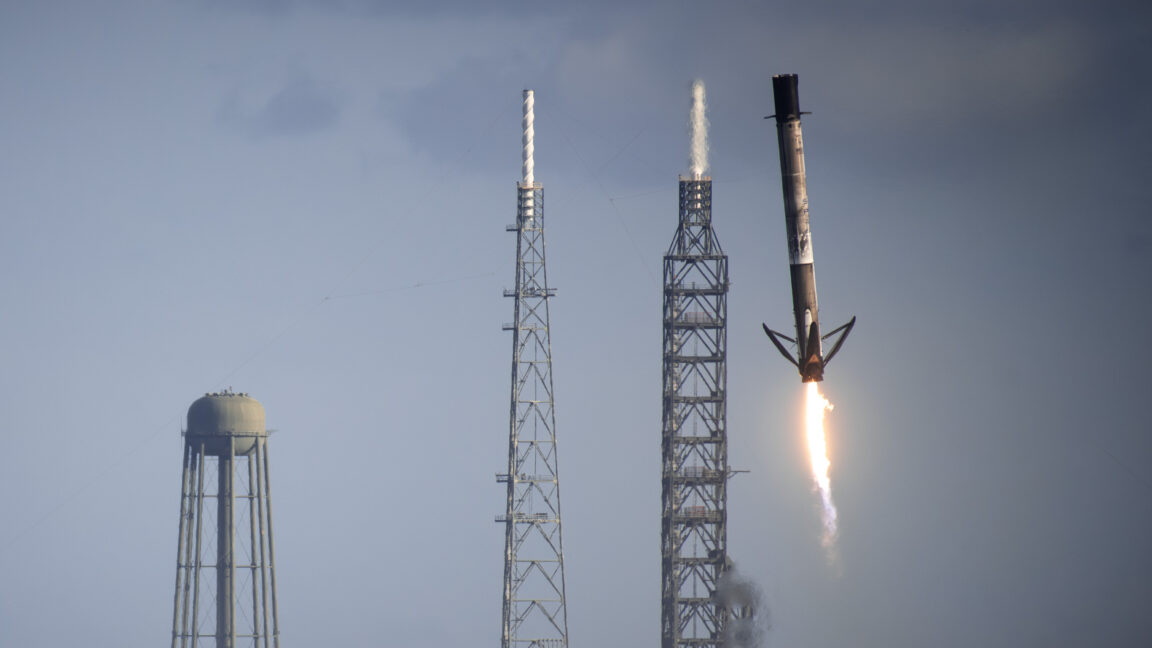
President Donald Trump has signed a new national space transportation policy, replacing a memorandum issued by former President Barack Obama in 2013. The updated directive sets an ambitious target for the United States to support more than 1,000 launches and reentries per year by 2030. This projection reflects a dramatic shift in the sector, with 176 orbital launch attempts recorded from US soil last year, nearly ten times the volume seen in 2013.
The surge in activity is driven by commercial and military requirements for communications services, overhead surveillance, space-based targeting, and orbital data centres. To accommodate this growth, the policy directs the Department of Defense and NASA to prioritise and coordinate infrastructure investments. These upgrades aim to boost launch and reentry capacity and flexibility at existing federal spaceports, including Cape Canaveral Space Force Station, Kennedy Space Center, Vandenberg Space Force Base, and Wallops Flight Facility.
A key provision of the memorandum orders the Department of the Interior to identify federal lands for an additional designated heavy-lift reentry site. This move follows a Pentagon study recommending a third heavy-lift location to ensure geographic resiliency. Air Force Secretary Troy Meink noted in a May hearing that the current sites face limitations on available space, while General Chance Saltzman emphasised the need for separate launch locations to reduce reliance on the two existing heavy-lift ports.
The policy also seeks to improve operational efficiency by mandating that the military and NASA regularly publish range schedules. This requirement is intended to ensure transparent allocation of resources and optimise launch capacity, a significant change from current practices where schedules are often kept private until shortly before launch. Additionally, the administration supports the designation of priority airspace for critical space launch corridors and aims to integrate space operations into air traffic control modernisation efforts.
Further measures include expedited permitting for commercial users and the potential use of expeditionary locations for high-priority payloads, with a goal of placing them into orbit within 48 hours of need. The memorandum also supports NASA’s ongoing work on commercial transportation to and from the Moon, while directing the agency to support future commercial robotic and human expeditions to Mars.
The new framework underscores the importance of assured access to space, balancing the needs of commercial users with US government missions. While the government is already pursuing measures such as charging user fees to commercial launch companies, the new policy provides a comprehensive roadmap for scaling infrastructure to maintain what the memorandum describes as America’s continued superiority in space.