US Space Force triples launch contract ceiling to $30bn amid rising Pentagon demand
Combined value of Lane 1 and Lane 2 contracts exceeds $30 billion as administration seeks $71.1 billion for fiscal 2027
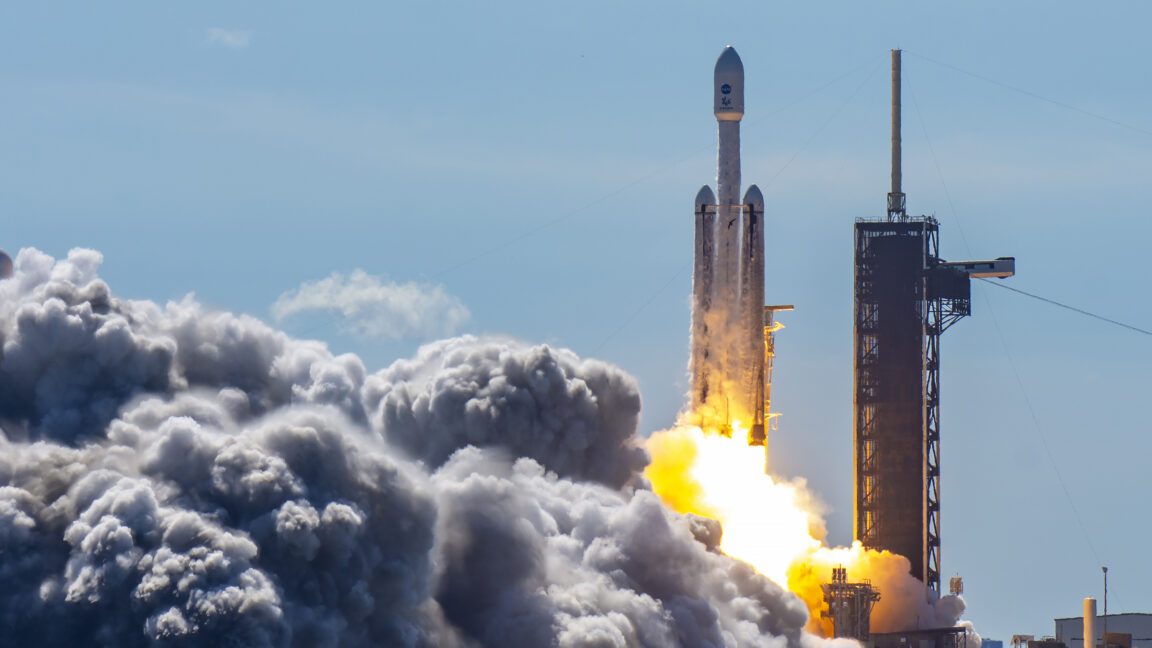
The US Space Force has significantly expanded its procurement framework for national security launches, tripling the maximum value of its National Security Space Launch (NSSL) Phase 3 Lane 1 contract to $17 billion. This adjustment brings the combined maximum ceiling for Lane 1 and Lane 2 contracts to over $30 billion, reflecting a sharp increase in Pentagon demand for military satellite deployment.
The NSSL program enables Space Systems Command to select from a pool of qualified launch providers for individual missions. Lane 1 covers risk-tolerant operations, including medium-lift launches, experimental payloads, and rideshare missions for surveillance or data relay constellations. Unlike Lane 2, which requires lengthy military certification for high-priority strategic assets such as radiation-hardened communications satellites, Lane 1 is open to commercial providers without extensive oversight.
Originally, the Space Force capped Lane 1 at $5.6 billion to cover an estimated 30 task orders over five years. The decision to triple this figure comes as the service anticipates a higher volume of missions, though exact numbers for additional Lane 1 orders have not been specified. In contrast, the Lane 2 contract, previously capped at $13.7 billion for 54 launches through 2029, saw Space Systems Command identify 25 additional missions in April 2026.
The surge in launch requirements is driven by several key defence initiatives, including the Space Data Network (SDN) and Airborne Moving Target Indicator (AMTI) satellite constellations, which provide global connectivity and targeting data. Additionally, the proposed Golden Dome missile defence shield is expected to require numerous space-based sensors and interceptors, further straining launch capacity.
Competition for these contracts is concentrated among established aerospace firms. SpaceX has secured the majority of Lane 1 task orders to date, with Blue Origin winning its first earlier this year. While SpaceX and United Launch Alliance hold certification for Lane 2 missions via their Falcon and Vulcan rockets, the Lane 1 roster also includes Rocket Lab, Stoke Space, Relativity Space, and Impulse Space.
This procurement expansion coincides with the Trump administration’s request for $71.1 billion in funding for the Space Force in fiscal year 2027, a substantial rise from the approximately $40 billion allocated for fiscal year 2026. However, legislative scrutiny remains, with the House Appropriations Committee’s draft budget proposing $55.5 billion for the service, significantly lower than the White House’s request.
