US Social Security trust fund projected to run dry by 2032
The US Social Security Administration has released its latest annual assessment, projecting that the trust funds designated for paying retirement benefits may be depleted in 2032.
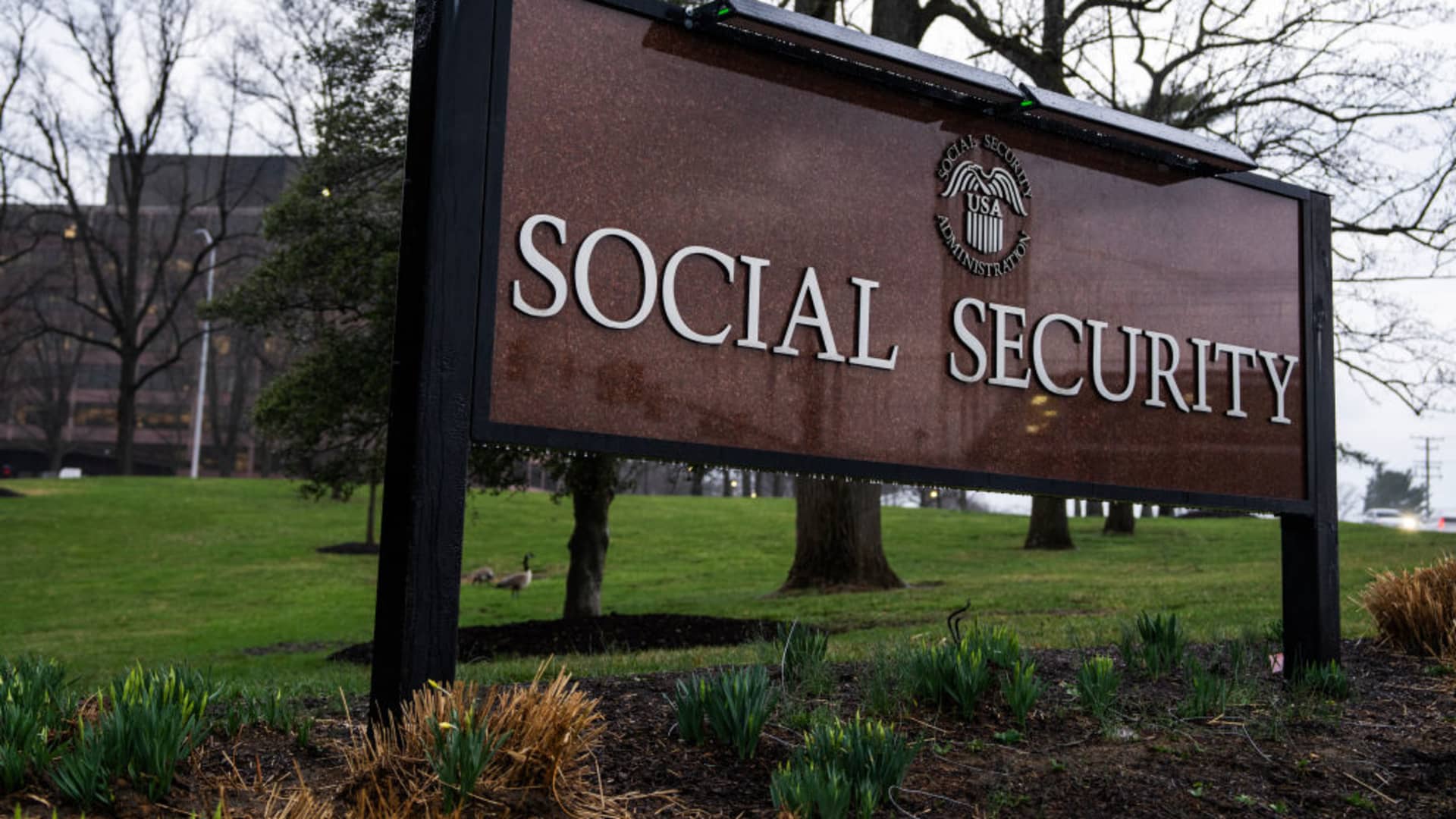
The US Social Security Administration has released its annual trustees report, revealing new projections that the trust funds used to pay retirement benefits may be depleted in 2032. The report serves as the government’s primary annual financial assessment of the Social Security program, outlining the fiscal trajectory of the system under current economic and demographic assumptions.
The specific depletion date for the retirement trust fund has been updated to 2032 in this newly released assessment. This projection indicates the point at which the accumulated reserves may no longer be sufficient to cover full scheduled benefit payments, based on the actuarial models and data presented in the trustees’ findings.
The Social Security Administration emphasised that the 2032 date is a projection rather than a guaranteed outcome. The report uses cautious language, stating that the funds “may be depleted,” which reflects the inherent uncertainties in long-term financial forecasting. The exact timing of any potential shortfall depends on future economic conditions, legislative changes, and demographic shifts that could alter the program’s revenue and expenditure streams.
These trust funds are critical for paying retirement benefits to eligible US citizens. The trustees report provides a detailed look at the financial health of the programme, tracking income from payroll taxes against outgoing benefit payments. The 2032 timeline suggests a narrowing window for policymakers to address the funding gap before reserves are exhausted.
The release of this report comes in June 2026, shortly after a US-China summit held in Beijing in May 2026 involving President Donald Trump and President Xi Jinping. While the geopolitical discussions in Beijing focused on trade, artificial intelligence, and regional tensions, there is no direct causal link established between the summit and the internal fiscal projections of the US Social Security Administration.
Market observers and investors will likely monitor the report for implications on long-term US fiscal policy. The projection underscores the structural challenges facing the retirement system, prompting renewed attention on potential legislative reforms or adjustments to taxation and benefit structures to ensure the programme’s sustainability beyond the current decade.
The trustees’ findings highlight the importance of ongoing fiscal discipline and demographic planning. As the 2032 horizon approaches, the report serves as a key reference point for understanding the future stability of one of the largest social safety nets in the United States.