US slashes Gavi funding citing controversial Danish vaccine research
Global health experts condemn the methodology behind the work of Peter Aaby and Christine Stabell Benn, while a US-funded study on withholding hepatitis B vaccines faces suspension in Guinea-Bissau.
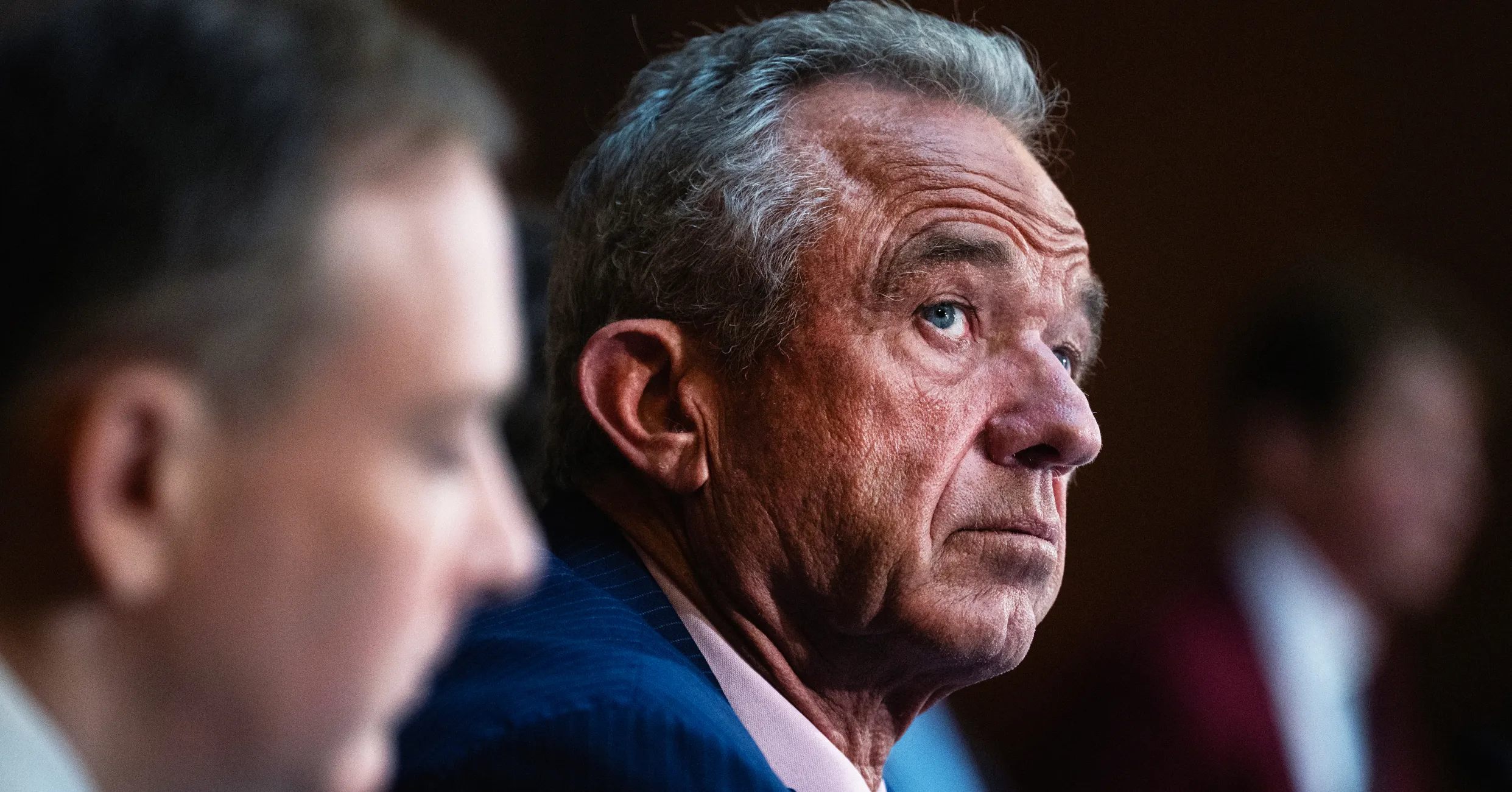
US Health and Human Services Secretary Robert F. Kennedy Jr has cited research by Danish scientists Peter Aaby and Christine Stabell Benn to justify a $2.6 billion reduction in funding for Gavi, the global vaccine alliance, alongside a freeze on $600 million in current support. The administration’s decision relies on the duo’s controversial assertions that certain vaccines, particularly the diphtheria-tetanus-pertussis (DTP) shot, increase child mortality, while live-attenuated vaccines such as measles and tuberculosis boost survival rates. These claims have been widely rejected by the global scientific community as methodologically flawed and unreplicable.
The specific 2017 paper referenced by Kennedy, which claimed DTP vaccination increased mortality in girls, was based on a small sample size of 535 girls and acknowledged by Benn as insufficient for such broad assertions. A follow-up study by the same group published in 2022 found no effect on mortality. Despite this, Kennedy described the earlier work as a landmark study by mainstream experts, a characterization disputed by epidemiologists who note the statistical weaknesses and potential for confirmation bias in the Bandim Health Project’s analyses.
Danish experts, including former colleague Lone Graff Stensballe and epidemiologist Anders Hviid, have condemned the work as shoddy and biased over the past 18 months. Their criticisms have prompted an official investigation by the Danish Agency for Higher Education’s Board on Research Misconduct, following concerns raised by the University of Southern Denmark regarding the possible withholding of DTP data. Hviid, chief epidemiologist at Statens Serum Institut, stated that Danish health authorities have never followed Aaby and Benn’s advice and continue to offer vaccines based on inactivated viruses and bacteria.
In a move that has drawn sharp criticism from the World Health Organization and African health officials, the US administration awarded $1.6 million to the Bandim Health Project to study whether withholding the hepatitis B birth dose in Guinea-Bissau affects infant health. The study, which involves withholding the vaccine from half of 14,000 newborns, was paused in early May pending review by the African Centers for Disease Control and Guinea-Bissau officials. Public Health Minister Quinhin Nantote stated he had no evidence that the ethics committee approving the study had ever met.
The controversy extends to other aspects of the researchers' work, including a recent study involving a second dose of the BCG vaccine. This follows a similar trial 15 years ago that was stopped after 18 infant deaths occurred in the vaccinated group compared to four in the control group. Meanwhile, a large-scale study involving nearly 55,000 newborns in Ghana and Tanzania found that both BCG and DTP vaccines enhanced survival, directly contradicting the thesis promoted by Aaby and Benn and utilised to justify US policy shifts.
