US Senators Introduce Bipartisan JAWBONE Act to Curb Government Coercion of Tech and Media
The Justice Against Weaponized Bureaucratic Overreach to Networked Expression Act targets federal pressure on broadcasters, AI platforms, and online services, backed by civil liberties groups.
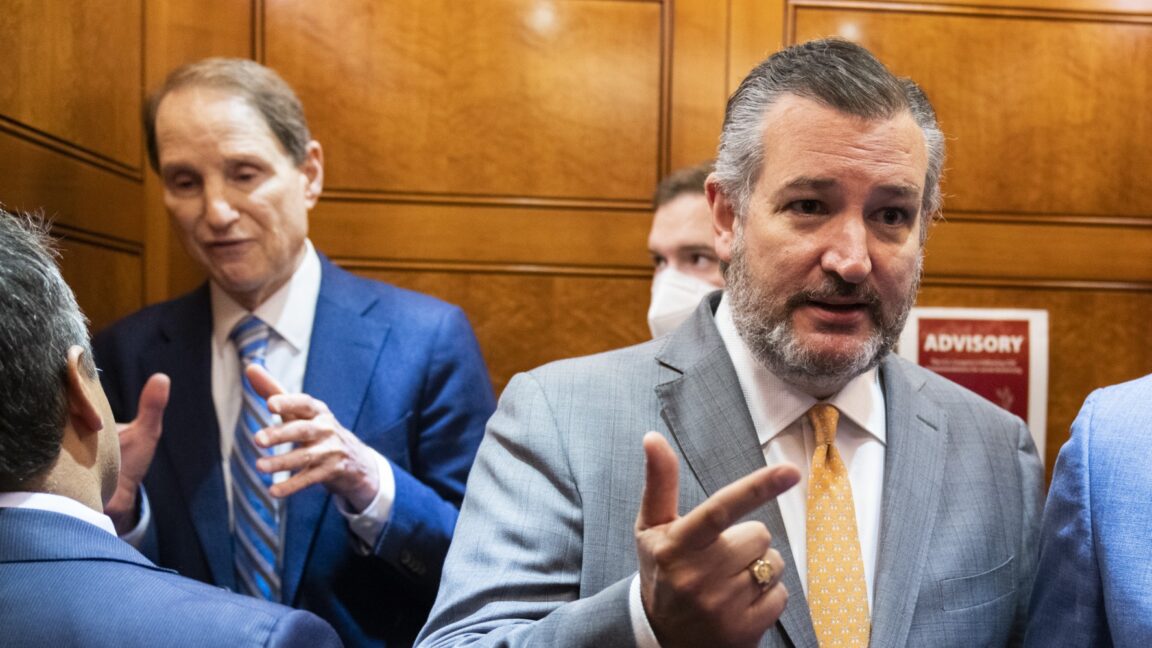
US Senators Ted Cruz and Ron Wyden have introduced the JAWBONE Act, a bipartisan legislative proposal designed to prohibit federal agencies and employees from coercing broadcasters, online service providers, and artificial intelligence platforms into restricting speech. The bill, formally titled the Justice Against Weaponized Bureaucratic Overreach to Networked Expression Act, aims to curb what proponents describe as "jawboning," where government entities pressure private companies to censor content protected by the First Amendment.
The legislation establishes a private right of action, allowing individuals to sue government officials for compensatory damages if their speech is stifled through such coercion, regardless of whether the censorship attempt succeeds. Under current legal precedent, plaintiffs must typically prove that coercion succeeded in causing content removal. The JAWBONE Act expands this by authorising financial damages rather than just injunctions, enabling victims to recover compensation even if the government officials have left office. However, the bill limits payouts to compensatory damages, excluding punitive damages.
Transparency is a core component of the proposal, which mandates a public portal for tracking communications between the government and private entities. Agencies would be required to submit certain communications with social media companies, AI firms, and broadcasters to this portal, providing detailed public summaries and full access for Congress. This measure is intended to prevent secret communications that make it difficult for individuals to prove their rights were violated.
The bill defines "coerce" broadly to include taking harmful, hostile, or unfavourable action, implying the possibility of such action, or threatening such action. It applies to FCC-licensed stations and national TV networks, as well as speech-enabling AI systems. Exceptions to the ban include lawful investigations, enforcement of federal or state laws, and actions taken under a warrant. The legislation has garnered support from organisations including the ACLU, FIRE, and the Knight First Amendment Institute.
A spokesperson for Wyden stated the bill would apply to scenarios not explicitly mentioned in the press release, such as the Trump administration pressuring app stores to take down apps like ICEBlock. Cruz previously criticised FCC Chairman Brendan Carr for coercing ABC into suspending Jimmy Kimmel, while Wyden has criticised Trump for threatening cable companies over late-night shows. The bill seeks to hold the government accountable for censorship violations across the political spectrum.
