US resumes strikes on Iran as Tehran retaliates in Strait of Hormuz
US Central Command has launched new strikes around the Strait of Hormuz in response to Iranian attacks on shipping and military personnel, with Tehran confirming its own retaliation.
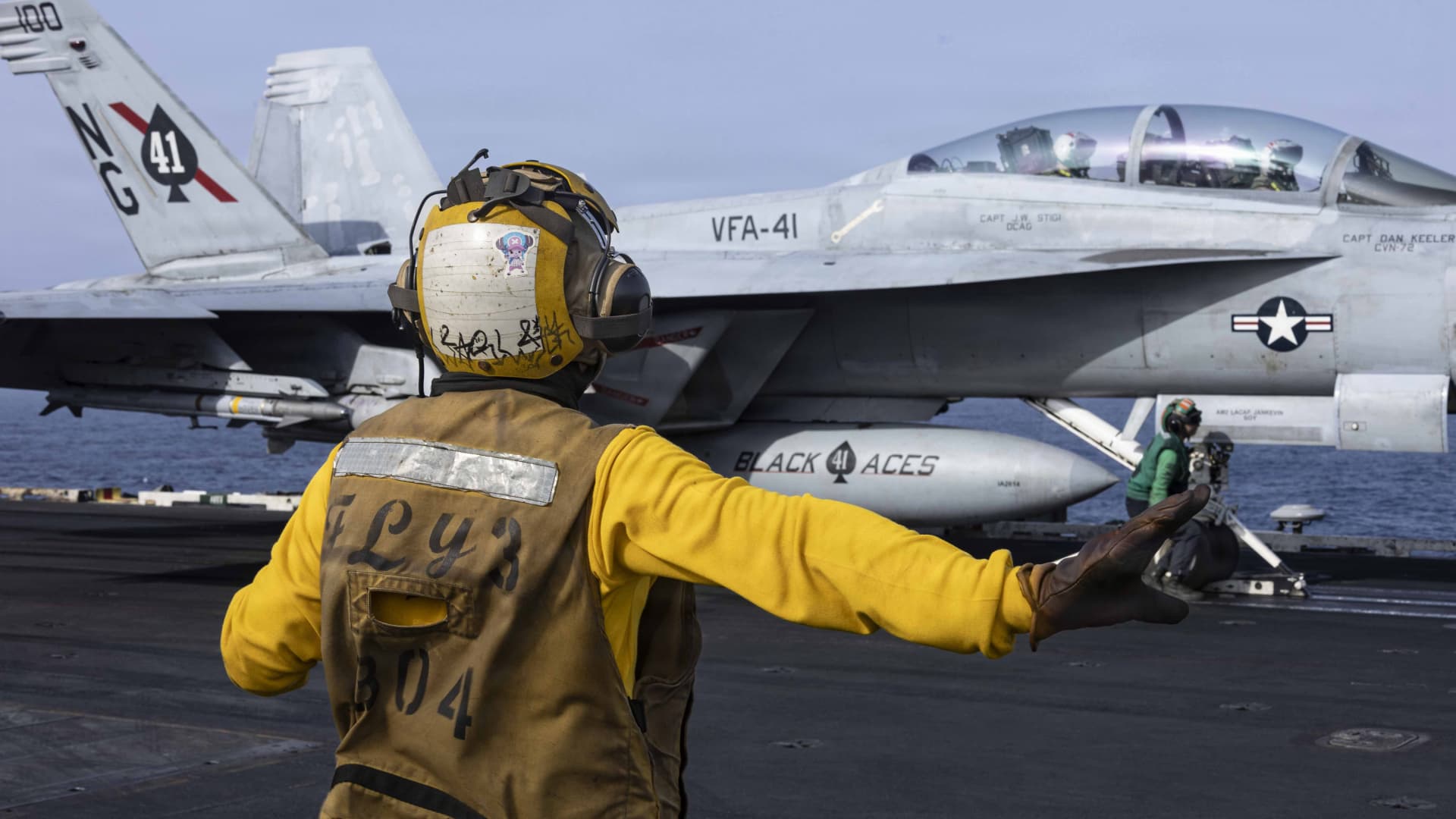
US Central Command has announced the resumption of military strikes against Iran, targeting assets of the Islamic Revolutionary Guard Corps (IRGC) across the region. The announcement follows recent Iranian attacks on commercial shipping and US military personnel in the strategically vital Strait of Hormuz.
The latest operations mark a renewed escalation in hostilities, which had previously been triggered by attempted IRGC attacks on vessels in the waterway. According to reporting from CNBC, the strikes began at 12:00 ET (16:00 GMT), representing a significant shift in the ongoing regional conflict.
Tehran has officially stated that it has retaliated against the US actions, though the precise timing of this response relative to the American strikes has not been explicitly defined. The exchange of fire has intensified tensions in the area, with IRGC assets now a primary focus of the US military campaign.
For investors and institutions, the conflict is being closely tracked as a key market risk. The disruption to commercial shipping in the Strait of Hormuz poses potential implications for global supply chains and energy flows, although specific casualty figures and the extent of damage to ships remain unconfirmed in initial reports.
Analysts suggest that the mutual retaliation increases the risk of a wider regional war. While this remains a predictive assessment rather than a confirmed fact, the potential for expansion is a growing concern for policymakers and market participants alike.
The situation underscores the volatility of the region, where military actions are directly impacting commercial interests. As the conflict evolves, the focus remains on the Strait of Hormuz as the central theatre of operations.