US regulators probe fatal Texas Tesla crash amid conflicting data claims
Tesla asserts vehicle data shows accelerator was pressed to the floor, contradicting driver’s claim of Autopilot engagement as negligence lawsuit proceeds.
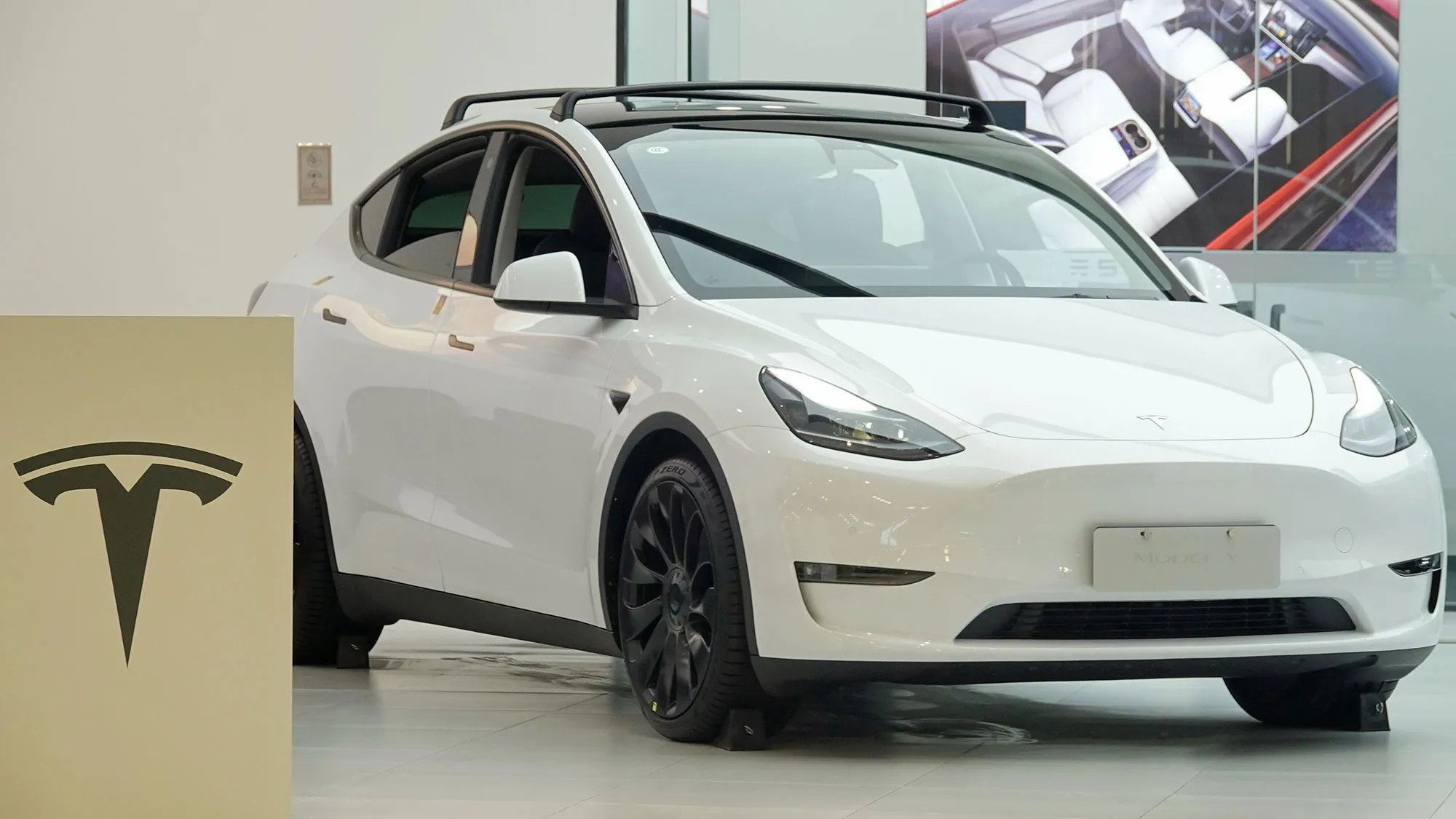
The National Transportation Safety Board (NTSB) has initiated a formal investigation into a fatal collision in Katy, Texas, where a Tesla vehicle struck a residence, resulting in the death of 76-year-old Martha Avila. The probe is being conducted in conjunction with the National Highway Traffic Safety Administration (NHTSA), with both agencies expected to require Tesla to provide logs from the vehicle’s onboard computers to determine the precise cause of the crash.
The incident occurred over the weekend prior to the announcement on 24 June 2026. Avila’s family has filed a negligence lawsuit against the driver, Michael Butler, and Tesla, seeking accountability for the tragedy that claimed the life of the home’s resident.
Conflicting accounts regarding the vehicle’s operation at the time of impact have emerged. Butler allegedly informed local authorities that he was using Tesla’s Autopilot feature when the crash occurred. However, Tesla has presented data indicating that the accelerator pedal was pressed to the floor, a action the company claims overrode the Full Self-Driving software.
According to Tesla’s statements, this manual input caused the vehicle to accelerate to 73 miles per hour immediately before impact. The company has not provided further proof beyond these initial assertions, leaving the interpretation of the data subject to regulatory scrutiny.
The NTSB and NHTSA investigations will aim to verify the validity of Tesla’s data interpretation against the driver’s account. The exact sequence of events and the specific role of the autonomous driving systems versus manual input remain to be determined by the official inquiries.
As the regulatory bodies examine the technical evidence, the legal proceedings initiated by Avila’s family continue. The outcome of the NTSB and NHTSA probes may provide critical evidence for the negligence claims currently before the courts.
The case highlights the ongoing challenges in attributing liability in incidents involving advanced driver-assistance systems. Both federal agencies are tasked with establishing the factual record, which will likely influence the broader discourse on autonomous vehicle safety and regulatory oversight.
