US proposes 10 to 12.5 per cent tariffs on 60 trading partners over forced labour claims
New levies aim to address alleged failures to prohibit imports produced by coerced labour, though partners argue the move breaches existing trade agreements and domestic laws already address the issue.
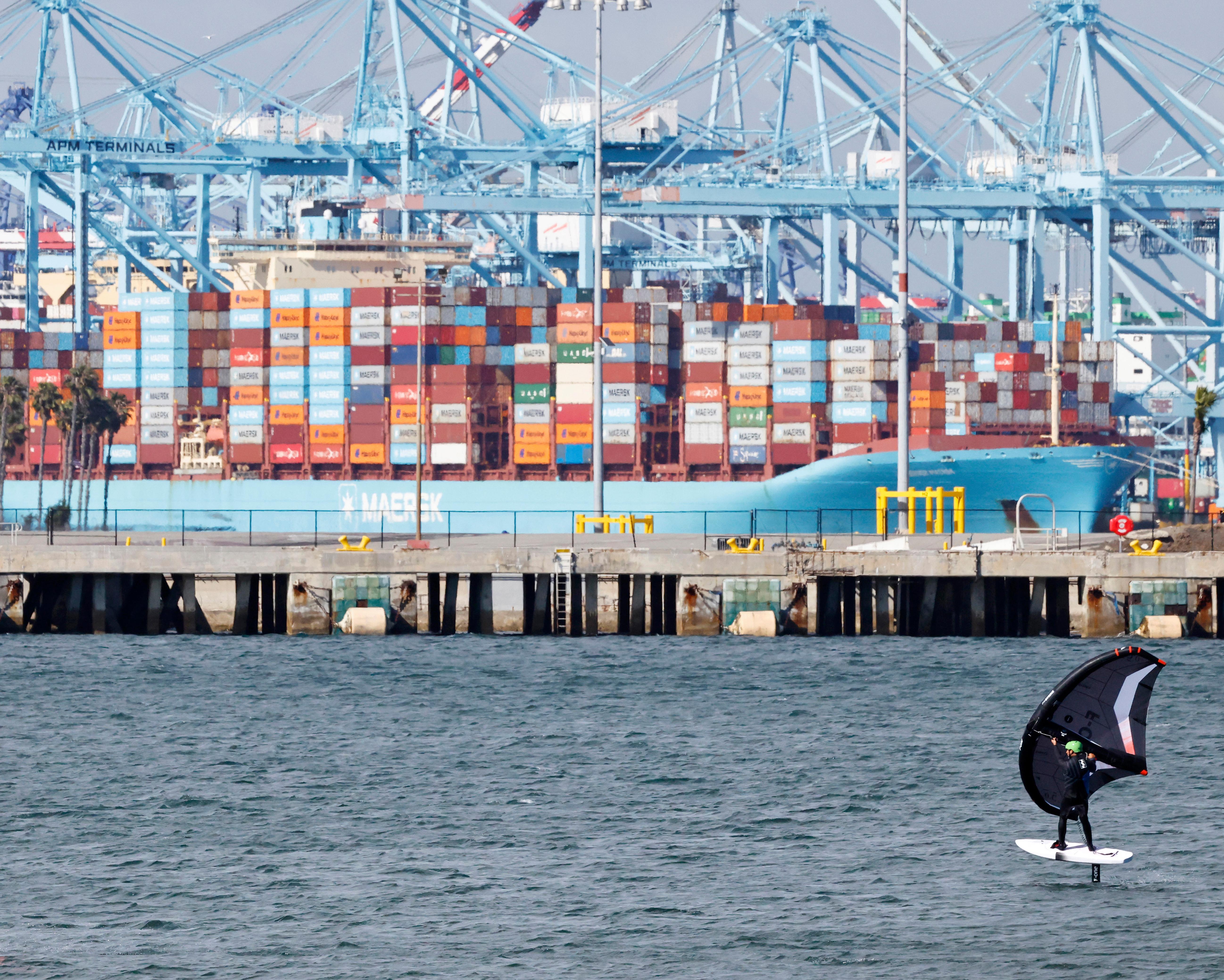
US President Donald Trump has proposed new tariffs ranging from 10 per cent to 12.5 per cent on 60 trading partners, including the United Kingdom, Canada, the European Union, Australia and China. The proposal, announced by US Trade Representative Jamieson Greer, cites alleged failures by these nations to prohibit the importation of goods produced using forced labour. The move is based on investigations conducted under Section 301 of the Trade Act of 1974 and affects economies that account for 99.4 per cent of all imports to the United States.
The specific rates proposed are 10 per cent for the EU, Canada, Mexico, Taiwan and the UK, while a 12.5 per cent levy would apply to China, Japan, India, South Korea, Brazil and Switzerland. The US is simultaneously threatening fresh levies of 25 per cent on Brazil. A 98-page report from the investigation identified only Canada, Ecuador, the EU, Indonesia, Mexico and Pakistan as not having failed to impose a forced labour import prohibition, though the White House judged Canada to be failing in enforcement.
The proposal follows legal setbacks for the administration’s protectionist agenda. In February, the US Supreme Court ruled that Trump’s previous "liberation day" tariffs were illegal. Trump subsequently imposed 10 per cent across-the-board tariffs, which a US trade court also found unlawful last month, although they remain in place during the appeal process. Experts had predicted Trump would seek alternative legal routes to impose tariffs after the February Supreme Court ruling.
The EU and UK have rejected the move, arguing it breaches the spirit of a July tariff agreement and that existing domestic legislation already addresses forced labour concerns. The European Commission stated it expected the US to fully respect the terms of the July deal, which agreed to 15 per cent tariffs on most goods. The UK government pointed to its Modern Slavery Act as evidence of its efforts to tackle forced labour, noting that preferential access under existing agreements remains in place.
US Trade Representative Jamieson Greer stated that the failure of partners to address forced labour imports creates an "unlevel playing field" for American workers. He described the situation as unacceptable, asserting that American workers should not be forced to compete globally under such disparities. The proposed tariffs are subject to public comment and review and will not take effect immediately.