US President Trump to visit Beijing as inflation data and Fed leadership changes loom
Major technology firms announce workforce reductions citing artificial intelligence, while markets await key economic indicators next week
President Trump is scheduled to depart for Beijing next week accompanied by a delegation of approximately a dozen US business executives. The group includes chief executives from prominent institutions such as Nvidia, Apple, Boeing, and Citi. This high-profile diplomatic mission arrives as the financial calendar turns its attention to the release of April inflation data, which economists forecast will show headline inflation rising to 3.8 per cent and core inflation to 2.7 per cent.
The anticipated increase in price growth is largely attributed to surging energy costs. Wells Fargo economists note that shelter costs are expected to spike in April due to statistical distortions from the previous government shutdown, while services inflation may rise as a result of higher jet fuel costs. Despite these concerns, the US stock market recently hit record highs, with the S&P 500 gaining 2.4 per cent and the Nasdaq up 4.5 per cent over the previous week.
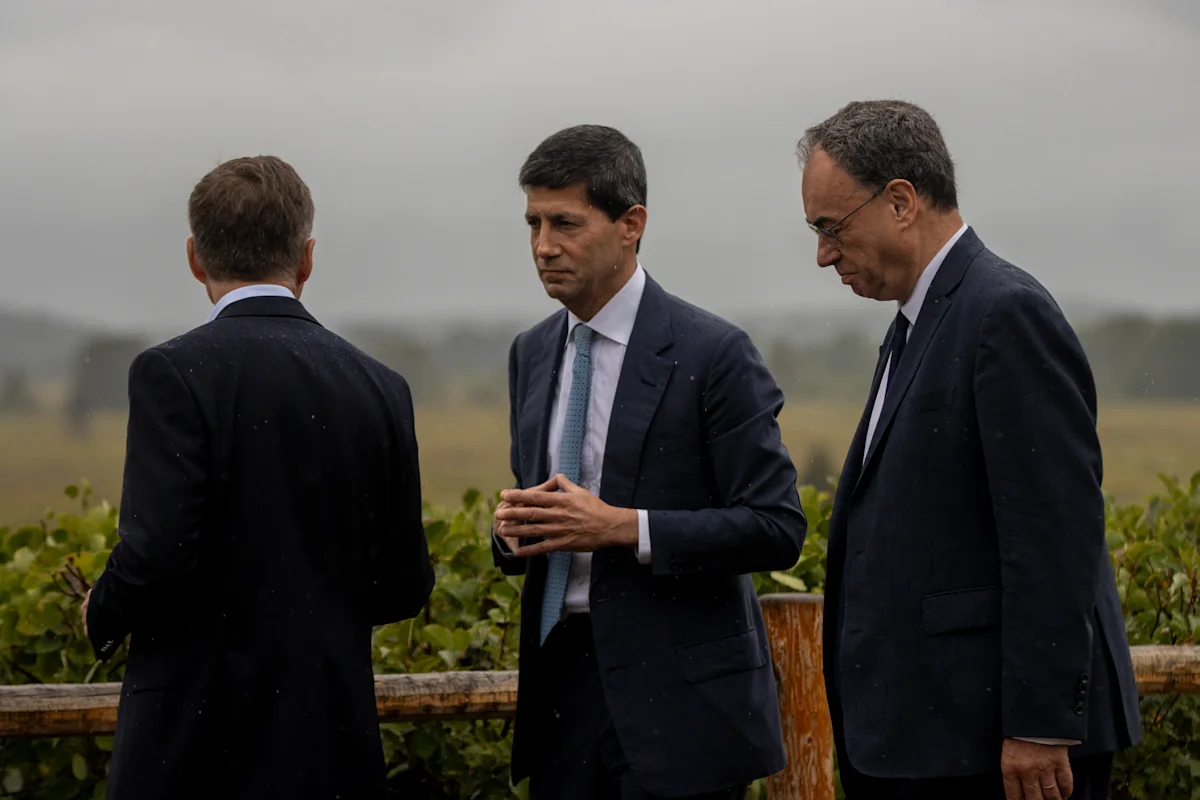
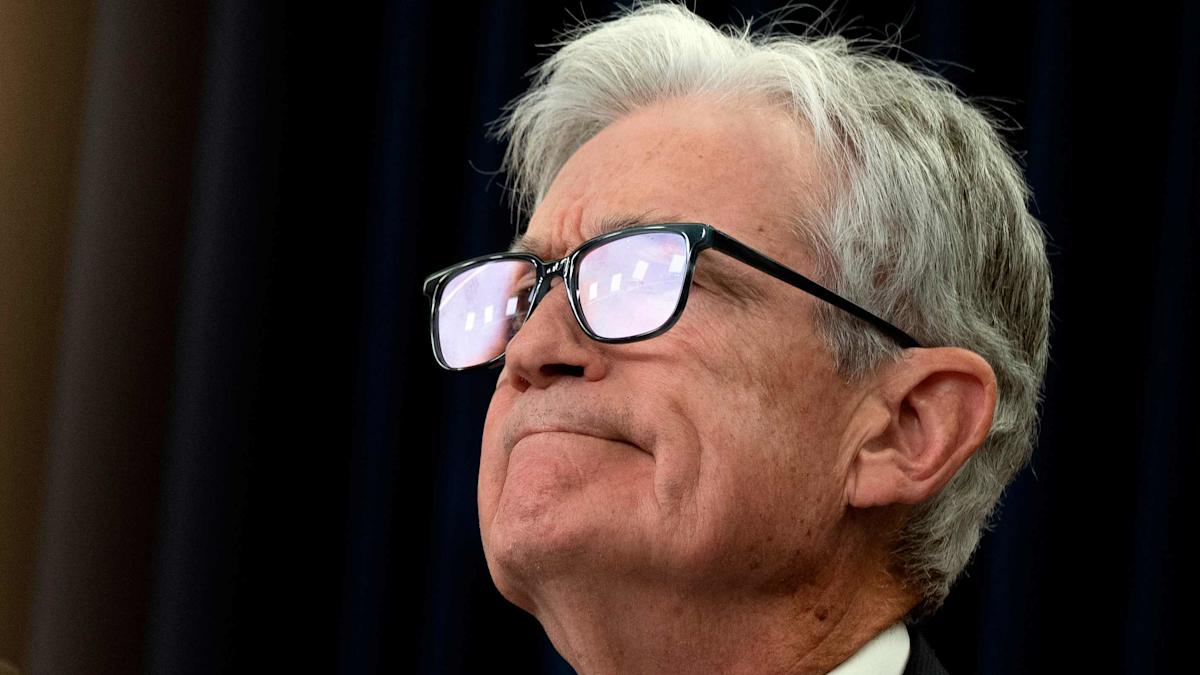
The week also marks significant changes at the Federal Reserve, featuring the final day of Chair Jay Powell's term. The Senate is expected to bring the nomination of Kevin Warsh to the floor for a full vote in the middle of the week to replace him. This transition of leadership occurs against a backdrop of geopolitical uncertainty, with the US and Iran remaining at an impasse regarding terms to end their war, leaving the Strait of Hormuz effectively blocked.
In the technology sector, several major companies have announced workforce reductions this week, citing AI-driven organisational changes and a need to improve efficiency. Firms including Coinbase, Bill.com, Cloudflare, and Upwork have confirmed these moves. These decisions follow a trend established earlier in the year by companies such as Block, Meta, and Microsoft, which used artificial intelligence as a justification for organisational restructuring.
Earlier this month, an international court ruled that President Trump's blanket 10 per cent tariffs were invalid. While experts suggest this ruling may not have immediate implications for the effective tariff rate, it adds another layer of complexity to the administration's economic agenda. During his presidency, a key component of Trump's strategy has been the implementation and use of tariffs as leverage in trade negotiations.
Investors are now watching to see how these structural elements of the president's agenda interact with the current economic landscape. The combination of the China trip, the inflation report, and the Fed leadership transition will define the market's focus for the coming week.