US President Trump rejects proposed Iran peace deal citing internal discord
President Donald Trump states that while Tehran expresses a desire for an agreement, tremendous discord within Iran's leadership complicates the path to a resolution.
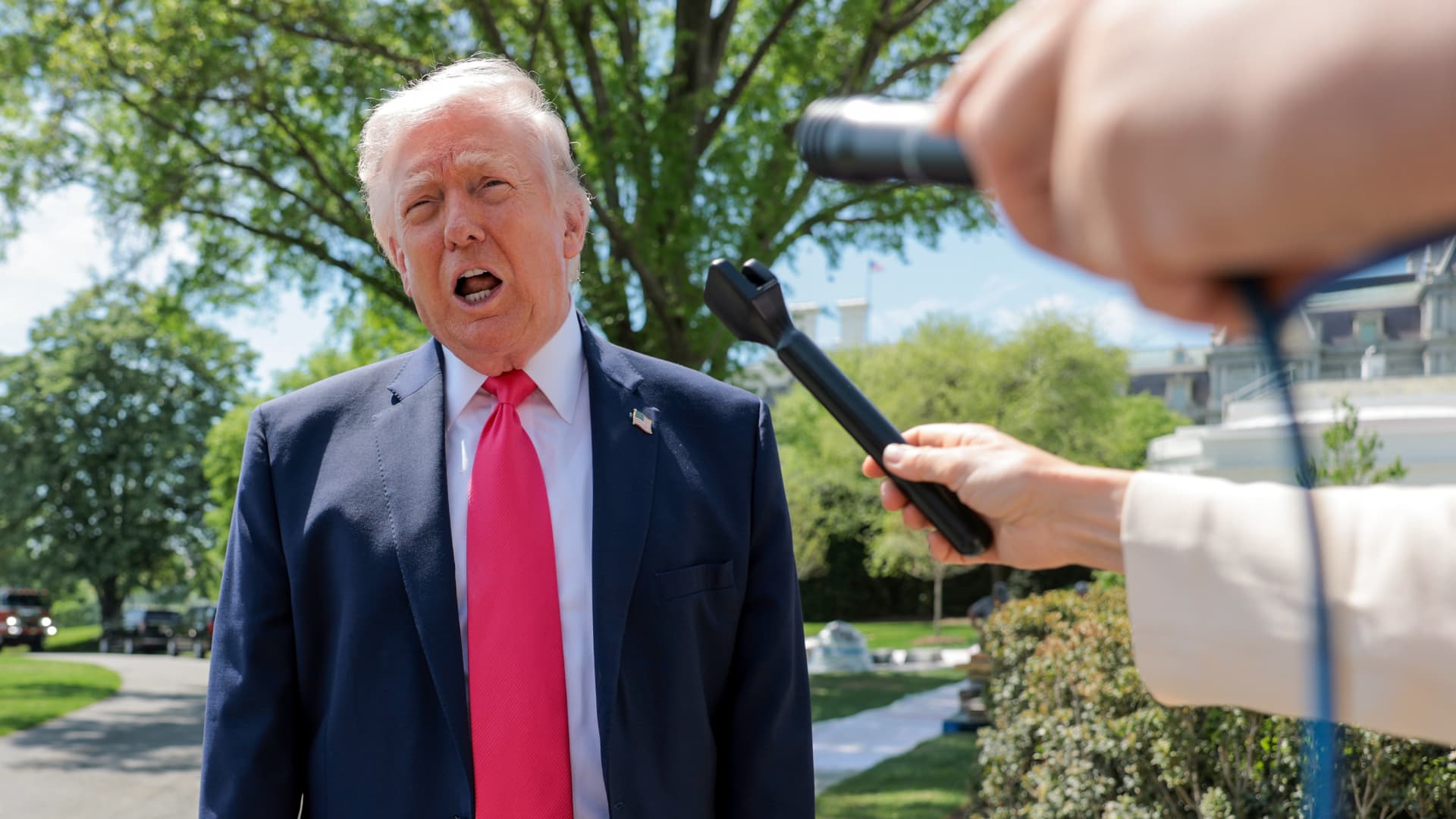
President Donald Trump has formally rejected a proposed peace agreement with Iran, declaring that the current terms do not meet his administration's requirements. While acknowledging that Tehran has indicated a willingness to negotiate, the President stated that the existing proposal is insufficient to satisfy US objectives.
In addressing the stalemate, Trump pointed to significant instability within the Iranian government as a primary obstacle. He described the situation as characterised by tremendous discord among Iran's leadership, suggesting that this internal fracture is hindering the ability to finalise an end to the hostilities. The President indicated that this lack of unity in Tehran is a key factor preventing a swift conclusion to the conflict.
The war in Iran was initiated by the United States in late February 2026, and efforts to bring it to a close have remained contentious since the onset of the fighting. Despite previous diplomatic overtures aimed at negotiating an end to the violence, the current administration maintains that the proposed framework fails to address the necessary conditions for a lasting peace.
The rejection of the deal has drawn attention to the broader geopolitical tensions surrounding the conflict. While the US stance remains firm, international reactions have varied, with some European officials, including German Vice Chancellor Lars Klingbeil, defending their governments against US criticism regarding the management of the war. Klingbeil has publicly asserted that Germany does not require advice from the US President on the matter.
Financial markets and international investors are closely monitoring the situation, as the continuation of the conflict carries implications for sovereign wealth funds and global capital flows. Recent developments in the region, such as the Public Investment Fund's decision to cease funding for the LIV Golf series while maintaining its Newcastle United investment strategy, highlight the complex interplay between political alignment and economic strategy during this period of heightened tension.
As negotiations remain deadlocked, the focus remains on whether the reported internal divisions within Iran can be leveraged to create a more acceptable agreement for Washington. Until such a shift occurs, the war initiated in February continues without a clear pathway to resolution.