US President heads to Beijing for high-stakes 'grand bargain' talks with China
The upcoming visit to Beijing marks a critical moment in US-China relations, with analysts noting that Washington no longer holds all the cards in the negotiations.
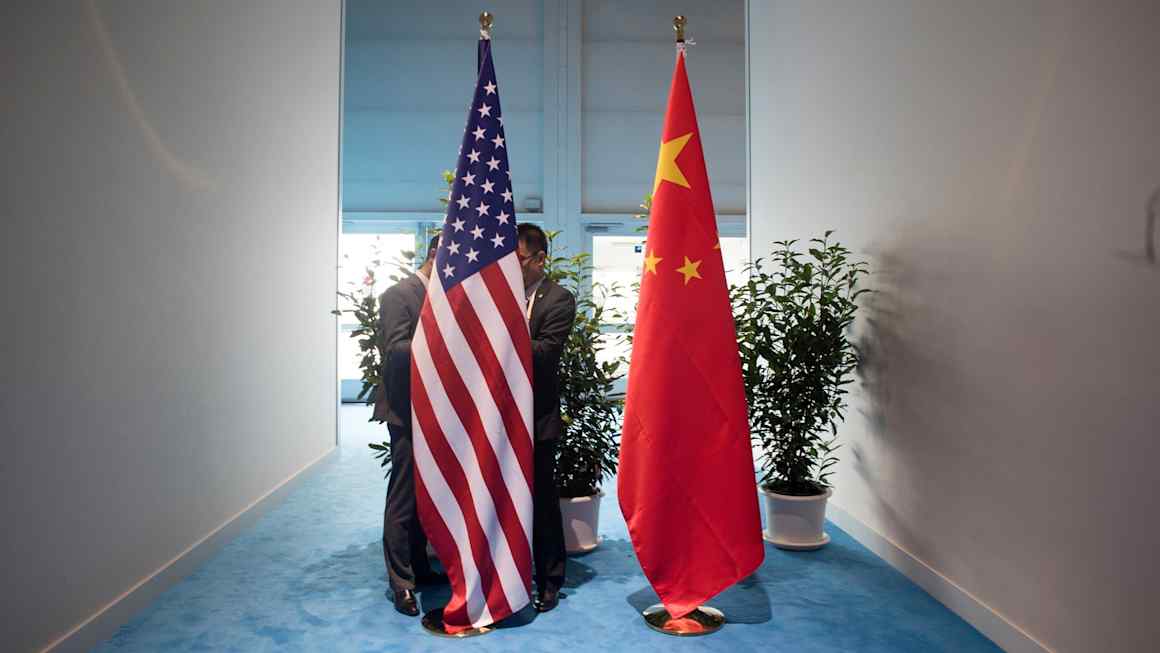
The US President is set to visit Beijing in a bid to secure a grand bargain between the two superpowers. This high-level diplomatic mission aims to reset the strategic relationship between Washington and Beijing, framing the interaction as a contest where neither side holds absolute dominance.
According to sources cited by the Financial Times, the dynamic of the negotiations has shifted significantly. The assessment indicates that America no longer holds all the cards in these talks, marking a departure from previous power structures that favoured the United States. This qualitative shift in leverage suggests a more balanced, albeit tense, environment for the discussions ahead.
Despite the perceived loss of total leverage, the source notes that China is acutely aware of the need to tread carefully during the talks. The Chinese leadership understands that while the balance of power has adjusted, the stakes remain high and strategic caution is required from both parties to avoid unintended escalation.
The term grand bargain serves as a political framing for the potential outcomes of this engagement, rather than a confirmed agreement or defined policy outcome. Specific terms or results of the visit remain undefined, leaving the final shape of the deal dependent on the nuances of the face-to-face discussions in the Chinese capital.
This development underscores the complex interplay of interests that drives global markets and policy. As the world watches the preparations for this summit, the focus remains on how these diplomatic manoeuvres will influence broader economic and strategic landscapes without relying on unverified metrics.
The Financial Times report highlights the gravity of the situation, emphasising that the visit is not merely a routine diplomatic exchange but a pivotal attempt to navigate the evolving contours of the superpower rivalry. Both nations are expected to approach the talks with a renewed sense of strategic realism.