US President Declares Iran Ceasefire on 'Life Support' Ahead of China Visit
The White House has dismissed a counter-proposal from Iran for a temporary peace deal, characterising the existing agreement as effectively failing just days before the President departs for China.
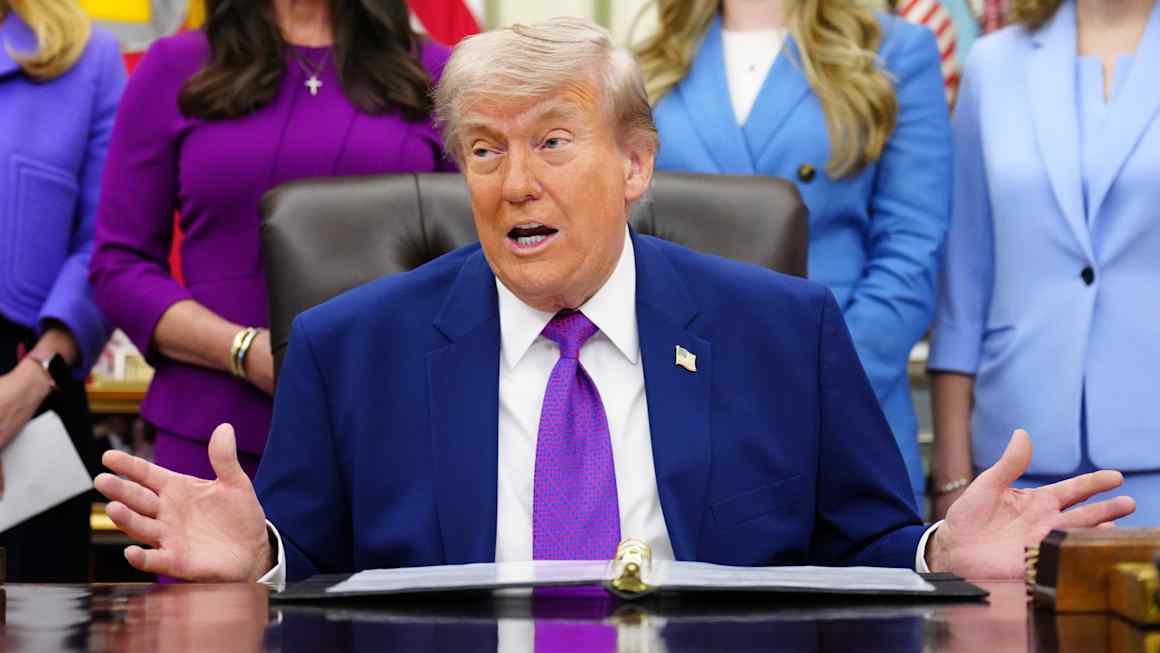
The US President has formally declined a proposal submitted by Iran for a temporary peace arrangement, a decision announced immediately prior to his scheduled diplomatic trip to China. In rejecting the offer, the White House stated that the current ceasefire agreement, which was established in mid-April, is now on life support. This assessment signals a significant deterioration in the truce according to the administration's evaluation.
The President explicitly framed the diplomatic stalemate as effectively failing based on his own evaluation of the situation. By labelling the ceasefire as being on life support, the US government indicates that the current framework is no longer sustainable without further intervention. This stance marks a sharp divergence from the expectations of a stable pause in hostilities that the mid-April agreement was designed to secure.
Iranian officials have issued a rebuttal to the US stance, asserting that their counter-proposal does not contain excessive demands. They argue that the offer represents a reasonable path forward, directly contradicting the US characterisation of the proposal as aggressive. This exchange underscores a fundamental disconnect between the two governments regarding the nature and viability of the Iranian offer.
While the White House views the current truce as significantly deteriorated, the specific terms of the rejected Iranian proposal remain undetailed in the available reporting. The precise definition of the 'life support' status is subjective to the President's assessment rather than a formal legal or military declaration of the ceasefire's end. Consequently, the extent of the deterioration is based on the President's statement rather than independent verification of ceasefire violations.
The timing of the rejection, made just before the President's departure for China, adds a layer of strategic complexity to the diplomatic standoff. The decision to turn down the temporary peace deal suggests that Washington is not seeking to stabilise the current situation through the terms offered by Tehran. Instead, the administration appears to be prioritising its own diplomatic agenda ahead of the visit to Beijing over the immediate acceptance of the Iranian counter-offer.
This development leaves the status of the US-Iran truce in a precarious position, with the White House effectively declaring the existing agreement as failing while negotiations for a new framework remain stalled. The gap between Washington's assessment of the situation and Tehran's view of their own proposal highlights the deepening rift between the two nations. As the President travels to China, the diplomatic friction with Iran remains unresolved, with the ceasefire hanging in a state of uncertainty.