US political extremes converge on shared rhetorical tactics
The publication states that both the left and right have perfected each other's tricks, blurring the lines between liberal and conservative communication methods.
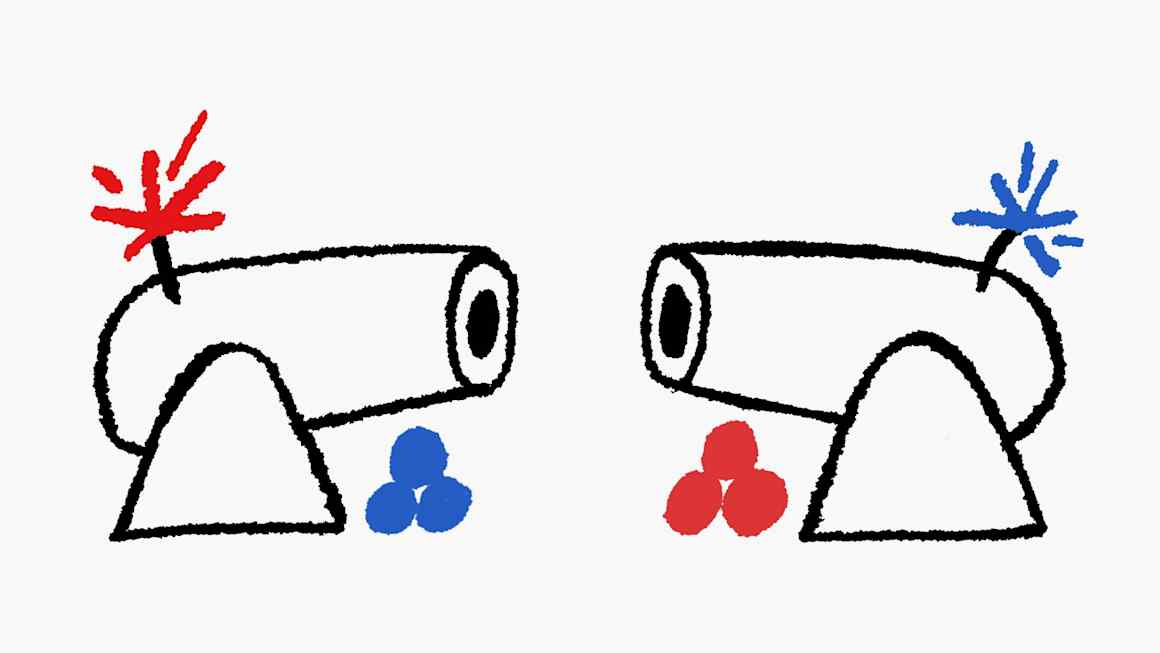
A recent assessment by the Financial Times highlights a significant shift in American political discourse, observing that opposing extremes have converged on shared tactics. The report indicates that both the political left and right have increasingly utilised cancel culture and conspiracy theories as primary tools for mobilisation and public debate.
According to the publication, this convergence suggests that the distinct boundaries between liberal and conservative communication strategies are becoming less defined. The Financial Times notes that both sides have effectively perfected each other's tricks, indicating a strategic cross-pollination of rhetorical methods that were once considered partisan markers.
This trend points to a broader phenomenon where ideological opponents in the United States are mirroring one another's approaches to gain traction. Rather than serving as unique identifiers for specific factions, the use of social shaming and unverified narratives has become a common denominator across the political spectrum.
The report does not specify the exact timeframe or duration of this convergence, nor does it address whether this shift represents a permanent structural change or a cyclical political phenomenon. The observation relies primarily on the documented adoption of these specific tactics by both extremes without detailing the underlying mechanisms driving the shift.
While the Financial Times describes the level of mastery as high, the actual efficacy or public reception of these tactics remains unverified within the provided context. The assessment focuses on the phenomenon of strategic alignment rather than the specific outcomes or voter responses to these evolving communication styles.
This development underscores a complex dynamic in US politics where the methods used to influence public opinion are increasingly indistinguishable regardless of the ideological stance of the user. The blurring of these lines marks a notable departure from traditional partisan divides in how political messages are constructed and delivered.