US petrol prices surge past $4 as Iran conflict escalates
A reported US Army helicopter downing and Iranian threats to shipping lanes have reignited price spikes, with Central Command disputing claims of a total blockade.
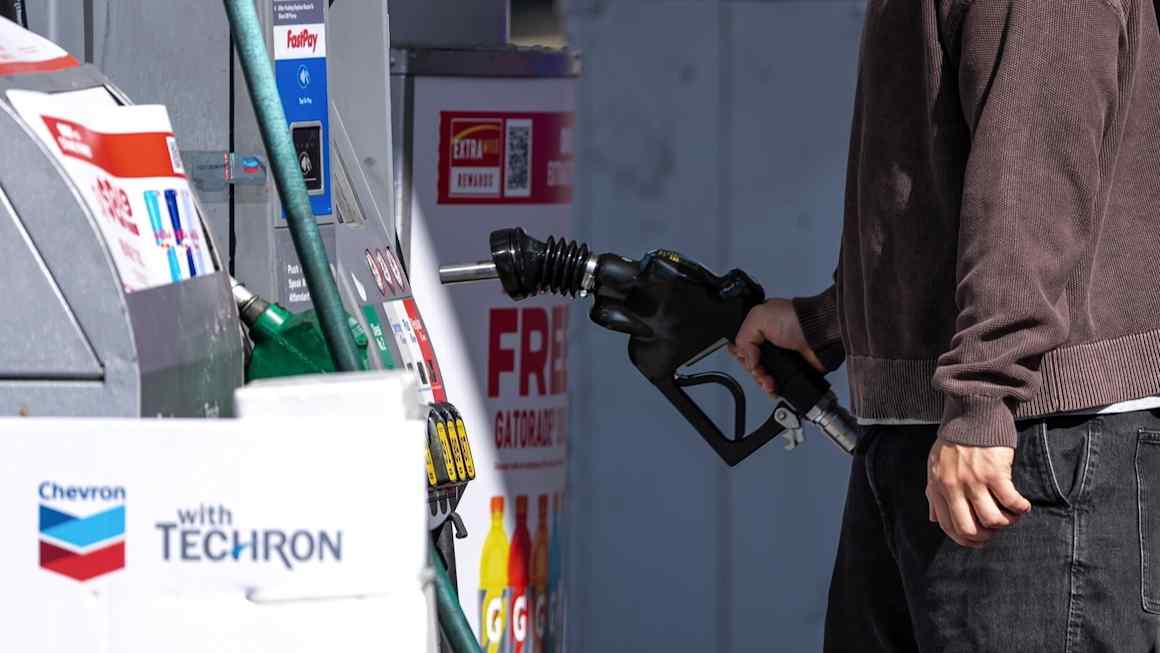
US petrol prices have climbed back above the $4 per gallon mark, a resurgent cost burden that is driving public frustration with President Donald Trump as the nation approaches its midterm elections. The spike in fuel costs coincides with intensifying military conflict between the United States and Iran, raising concerns over energy security and supply chain stability in the global markets.
The escalation follows a series of significant military incidents in the region. On Monday night, a US Army AH-64 Apache helicopter was reportedly shot down over the Strait of Hormuz. In response, President Trump issued a statement on Tuesday accusing Iran of the downing and vowing a necessary response, underscoring the severity of the confrontation.
Tensions further heightened on Thursday when Iran’s military command announced it would target any ship transiting the Strait of Hormuz, declaring the waterway closed to all vessel traffic. This declaration came in the wake of Iranian strikes on two vessels attempting to pass through the strategic route and recent US airstrikes in southern Iran.
However, the claim of a total closure was contested by US Central Command, which stated that commercial ships continue to transit the area. This discrepancy highlights the complex information environment surrounding the conflict, where operational realities on the ground may differ from official declarations made by belligerent parties.
Prior to these military developments, President Trump had met with Chinese President Xi Jinping in Beijing. The discussions covered trade, artificial intelligence, and security in the Strait of Hormuz, indicating that diplomatic channels were active even as military tensions mounted. The current price surge suggests that market participants are pricing in the risks associated with these geopolitical disruptions.