US oil inventories fall to lowest level since 2004 as Iran conflict tightens supplies
Geopolitical tensions and ongoing conflict with Iran drive US crude stockpiles to their lowest point in over two decades, raising concerns for energy markets.
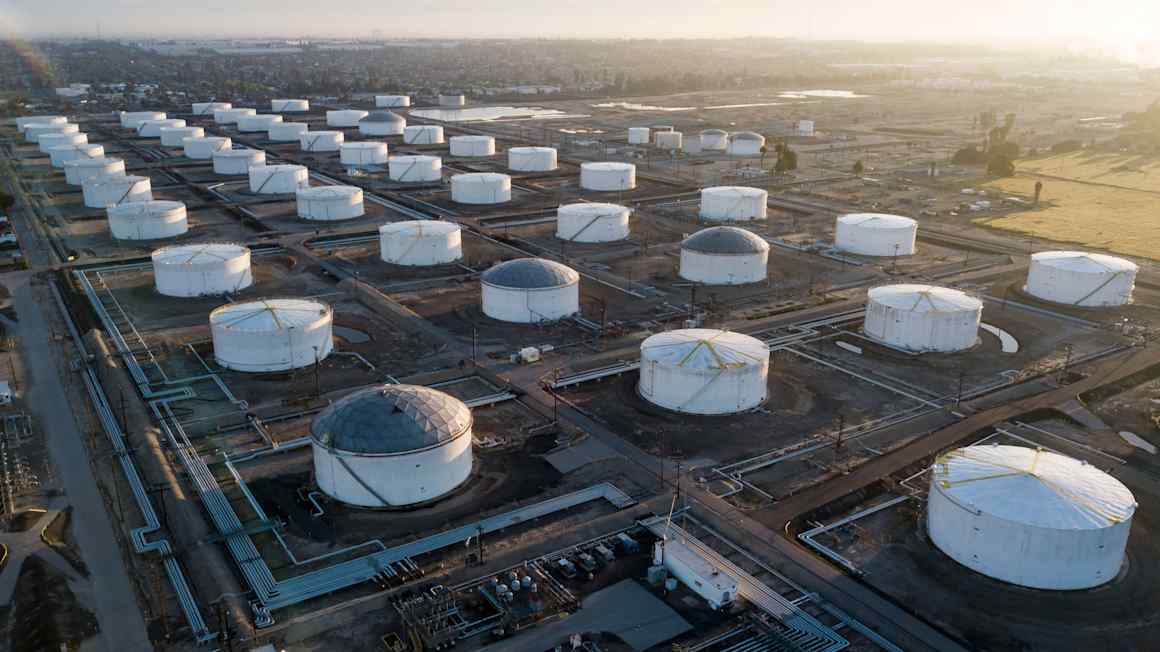
United States oil inventories have contracted to their lowest level since 2004, a significant drawdown that industry experts attribute directly to the ongoing conflict with Iran. According to reporting by the Financial Times, the depletion of stockpiles has reached a point where market participants are warning of potential sharp increases in energy prices.
The decline in supplies represents a critical juncture for the energy sector, with stockpiles approaching what analysts describe as a "critically low" threshold. As physical reserves tighten, the risk of volatility escalates, prompting caution among traders and institutional investors monitoring the broader commodities landscape.
This supply constraint emerges against a backdrop of heightened geopolitical friction. The conflict with Iran has disrupted traditional supply dynamics, contributing to the rapid drawdown of strategic reserves. While the precise quantitative contribution of the conflict versus other market factors remains undefined in current reporting, the correlation between the geopolitical instability and the inventory drop is clear.
The situation coincides with broader diplomatic engagements, including a recent summit in Beijing involving US and Chinese leaders. Discussions at the summit covered trade, artificial intelligence, and the Strait of Hormuz, a vital chokepoint for global oil shipments. The presence of major US technology executives, including Elon Musk, Tim Cook, and Jensen Huang, highlights the intersection of energy security and broader economic interests.
Despite the clarity of the inventory data, uncertainties remain regarding the trajectory of prices. Industry warnings suggest that costs could rise sharply, but the timing and magnitude of any potential jumps depend on how quickly stockpiles continue to deplete and the duration of the conflict. Investors are advised to monitor these developments closely as the market adjusts to the new supply reality.