US oil giants Exxon and Chevron maintain production stance despite White House appeals
The White House has explicitly urged Exxon and Chevron to increase drilling to curb soaring petrol prices, but the firms have refused to alter their pre-war strategies amid complex geopolitical tensions involving Iran.
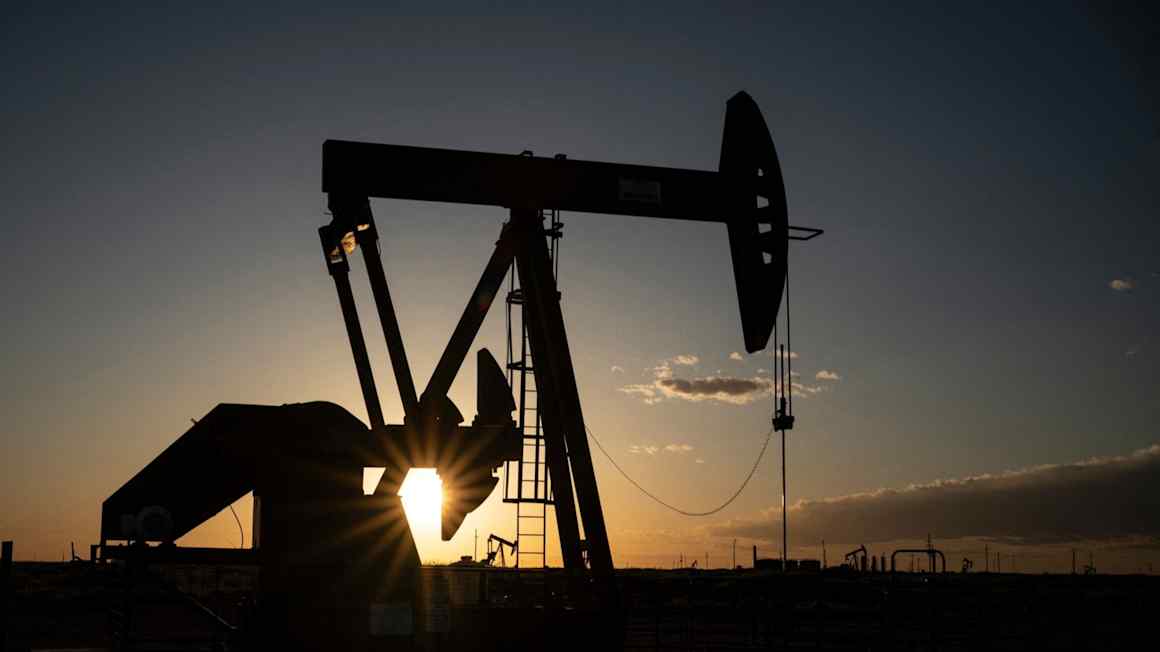
Two of the United States' largest energy companies, Exxon and Chevron, have declined to expand their drilling activities despite direct appeals from the White House to boost output. The administration has made it clear that it wishes these supermajors to increase production to help alleviate the rising cost of petrol for consumers.
This refusal marks a significant divergence between corporate strategy and government policy. Both firms are choosing to adhere to their pre-war production strategies rather than succumbing to the administration's requests. The decision reflects a calculated approach where the companies appear to prioritise long-term stability and shareholder value over the immediate political demand to suppress fuel prices.
The backdrop to this standoff is a volatile geopolitical environment involving Iran. Recent announcements from the White House regarding a ceasefire have effectively halted the 60-day war deadline mandated by the 1973 War Powers Resolution. This interruption in the timeline for the withdrawal of US combat forces has contributed to a surge in oil prices, creating pressure on the market to find a solution.
While the White House has explicitly pleaded with Exxon and Chevron to increase output, the specific nature of the communication remains a point of scrutiny. The term used to describe the companies' reaction suggests a deliberate rejection of the administration's wishes, though the exact form of the interaction—whether a formal directive or informal lobbying—has not been fully detailed in available reports.
Market analysts note that the link between the current geopolitical events and the companies' refusal is correlational rather than explicitly causal. The sources indicate that both the geopolitical tension and the refusal are occurring within the same climate, but the text does not state that the Iran ceasefire directly caused the firms to maintain their current output levels.
The long-term impact of this refusal on petrol prices remains uncertain. While the lack of increased drilling from these two giants contributes to the current price environment, other market factors also influence costs. Consequently, the extent to which this situation will escalate or result in further regulatory changes is not yet clear.