US Nuclear Industry Urged to Finalise Long-Term Waste Storage Plan Amid Renewed Interest
With Finland testing its Onkalo facility and France targeting operations by 2035, the United States continues to rely on temporary onsite storage for approximately 2,000 metric tons of high-level waste generated annually.
A renewed surge in interest for nuclear power across the United States has highlighted a critical infrastructure gap: the lack of a permanent solution for high-level radioactive waste. Driven largely by Big Tech companies seeking massive amounts of electricity to power data centres, funding and regulatory attention for next-generation reactors have spiked. However, industry leaders and researchers warn that this momentum must be matched by a finalised plan for waste management to prevent the nation from falling behind international competitors.
Currently, the United States produces roughly 2,000 metric tons of high-level waste each year, yet it has no designated long-term destination. Unlike many other nations, the US relies on temporary onsite storage at operating and shut-down reactors, where used fuel is kept in steel and concrete pools and casks. While experts generally agree these methods are safe, they are not designed to be permanent solutions for such a significant volume of material.
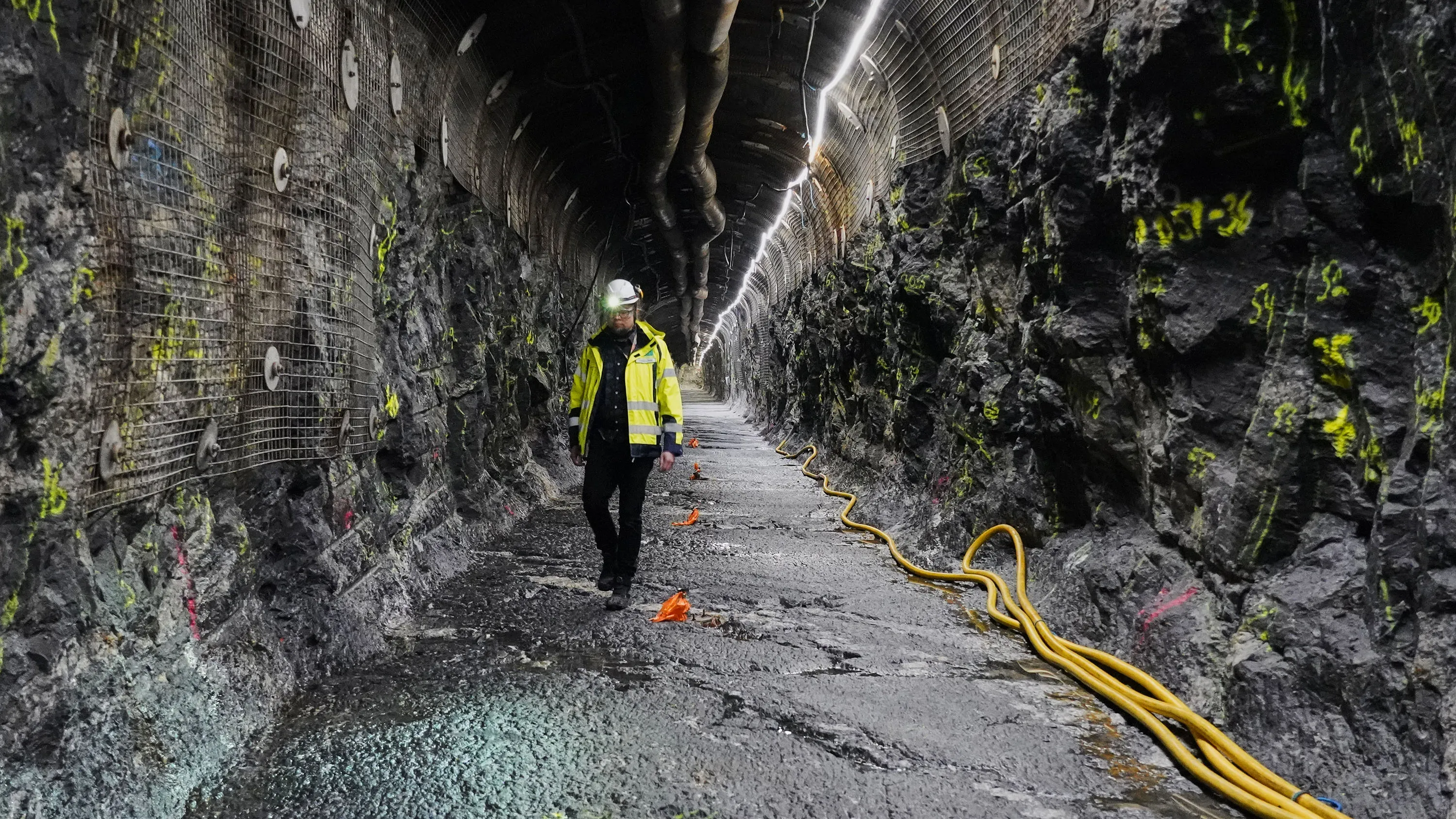
In contrast, global peers are advancing rapidly with deep geological repositories. Finland is currently testing its Onkalo facility, with final approvals expected soon and operations potentially commencing later in 2026. France, which generates more of its grid power from nuclear energy than any other country, plans to have its repository operational by 2035, with initial approvals anticipated later this decade.
The United States technically possesses a designated site for spent fuel: Yucca Mountain in Nevada. Designated by Congress in 1987, the project has seen all progress stall since the federal government ceased funding in 2011 due to political opposition. Consequently, despite the country hosting more reactors and production capacity than any other nation, there has been no activity at the site for roughly a decade while waste continues to accumulate.
In response to this stagnation, experts are advocating for a structural change within the US nuclear sector. They are calling for the creation of a new, independent organisation to manage nuclear waste, mirroring successful models in Finland, Canada, and France. This proposal aims to move management away from the Department of Energy and prioritise geological storage to ensure the US joins the ranks of global leaders rather than continuing to lag behind.
As the nuclear industry kicks into a new gear worldwide, with countries like China and Turkey building new reactors, the US faces a pivotal moment. Industry stakeholders argue that directing even a small fraction of the recent surge in funding and attention toward building geological storage facilities could make a decisive difference. The consensus among researchers is that while the best time to start planning was decades ago, the second-best time is now.
