US military rebuts Iran's claim of striking warship in Strait of Hormuz
Washington has officially refuted Tehran's assertion that a US vessel was attacked, even as the strategic chokepoint remains restricted since late February hostilities began.
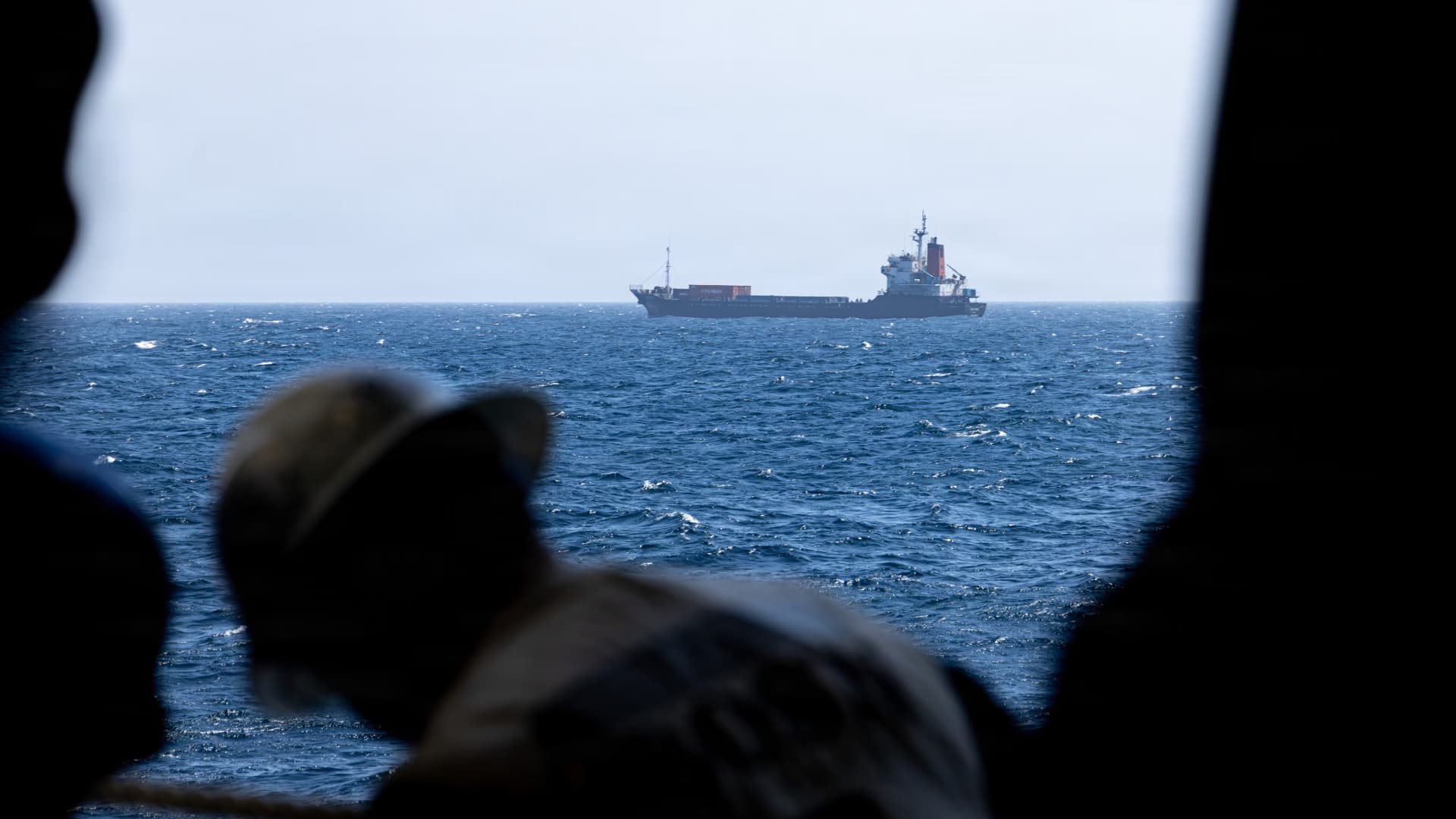
The United States military has formally denied Iran's assertion that it struck a US warship in the Strait of Hormuz. This official rebuttal addresses a specific claim made by Tehran regarding recent maritime incidents in the region.
The denial arrives as the Strait of Hormuz continues to face severe restrictions on maritime passage. Iran has maintained a blockade on tanker traffic through the strait since the conflict between the US and Israel commenced in late February.
This ongoing restriction on shipping has triggered significant supply disruptions and price shocks in global markets. The Strait remains a critical chokepoint for international oil and tanker traffic, meaning any volatility here has immediate implications for energy costs worldwide.
While the US military has rejected the specific allegation of an attack on its vessels, the broader context of the blockade persists. The situation highlights the continued fragility of supply lines in a region where geopolitical tensions have escalated into active hostilities since the beginning of the year.
Investors and institutions remain closely monitoring the developments in the Middle East, aware that the threat to supply lines continues to drive volatility. The precise extent of the market impact caused by the blockade is not fully quantified, but the disruption to global trade flows is evident.
As diplomatic channels remain strained, the focus remains on how these maritime restrictions will evolve and what further steps might be taken to secure the vital energy routes passing through the Persian Gulf.