US military pauses Project Freedom in Strait of Hormuz as Iran deal talks advance
The suspension of the US military's commercial vessel guidance program leaves the strategic chokepoint status uncertain until further notice.
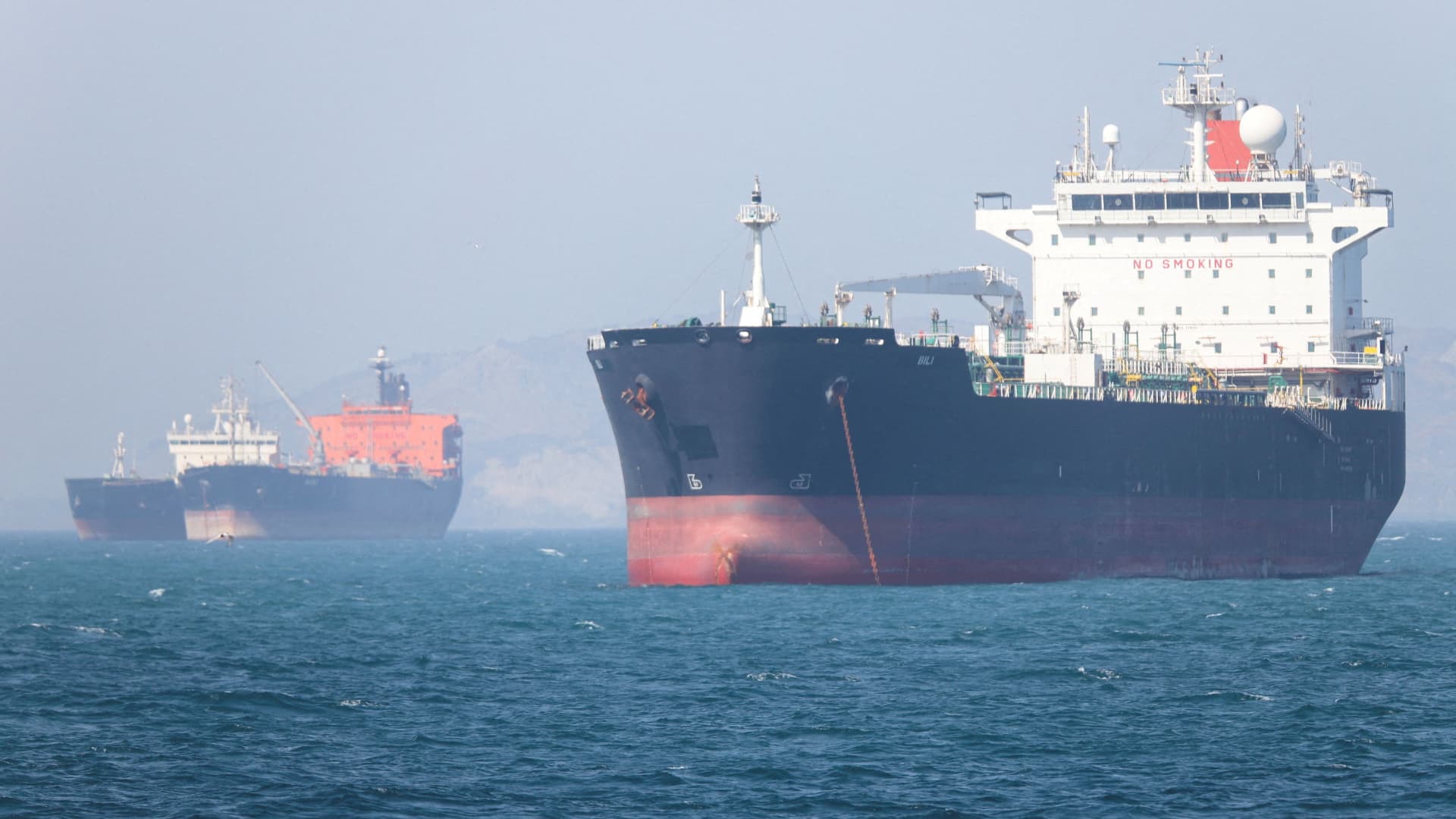
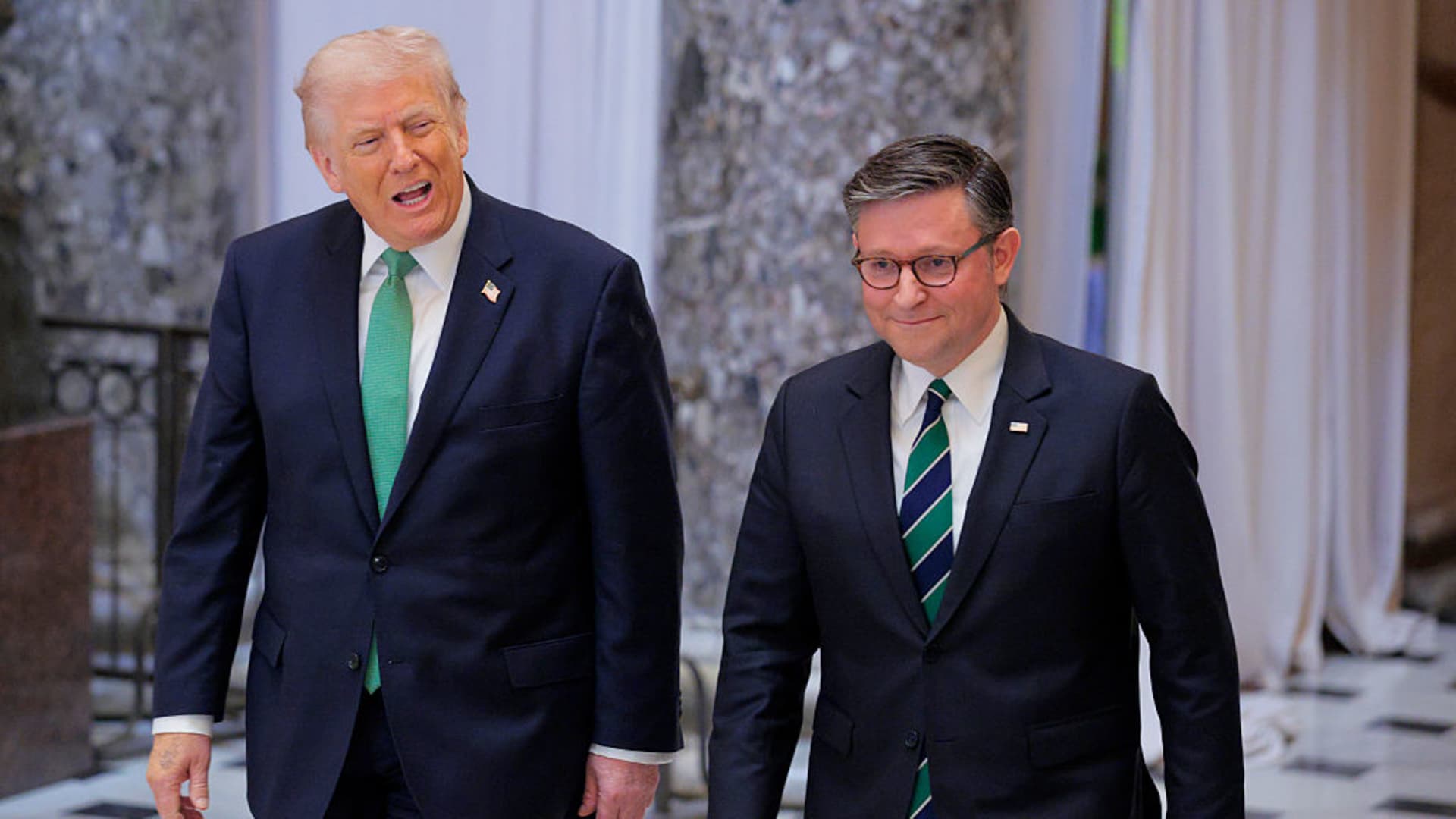
President Donald Trump has announced a pause on Project Freedom, the US military initiative designed to guide commercial vessels safely through the Strait of Hormuz. The decision, communicated via a post by the President on 5 May, marks a temporary suspension of operations that had been critical for ensuring safe passage for shipping within the Persian Gulf.
This move comes explicitly in response to reported progress in negotiations regarding a new deal with Iran. By halting the initiative, the administration signals a shift in strategy that aligns military posture with the evolving diplomatic landscape in the region. The pause is intended to allow ongoing talks to mature without the immediate pressure of active military escort operations.
The Strait of Hormuz remains a vital artery for global oil supplies, making its security a priority for the United States and its regional partners. Project Freedom was established to mitigate risks in a complex security environment where conflicting claims regarding recent attacks and ceasefire statuses have complicated the situation between Iran, the UAE, and Israel.
Despite the announcement, specific details regarding the resumption of the program remain undisclosed. There is no specified end date or clear criteria outlined for when Project Freedom will resume operations, leaving the timeline for the return of full military guidance efforts uncertain. Investors and market participants monitoring the region will watch closely for any further updates from the White House.
The broader geopolitical context surrounding the Strait continues to evolve, with the reality on the ground described by some officials as more complex than the President's characterisation of the conflict as a little skirmish. While the pause offers a brief reprieve in military activity, the underlying tensions that necessitated Project Freedom in the first place have not been resolved.
As the administration weighs the balance between diplomatic engagement and military readiness, the lack of detailed information regarding the scale of progress in the Iran negotiations adds another layer of uncertainty to the region's strategic outlook. The decision reflects a calculated approach to de-escalation, though the conditions for a permanent resolution remain to be seen.