US military escorts commercial vessels through Strait of Hormuz as regional tensions escalate
President Trump confirms strikes on Iranian fast boats in the Gulf, prompting international condemnation and a surge in oil prices following reports of an attack on a Fujairah oil facility.
President Donald Trump has announced that US forces struck seven Iranian fast boats in the Strait of Hormuz, a move designed to clear the strategic waterway for commercial traffic. Concurrently, reports from the United Arab Emirates indicate that an Iranian attack on an oil facility in Fujairah has resulted in a significant fire and injuries. The US military stated that helicopters were used to conduct the strikes against the vessels, which President Trump described as the only assets remaining to the Iranian navy.
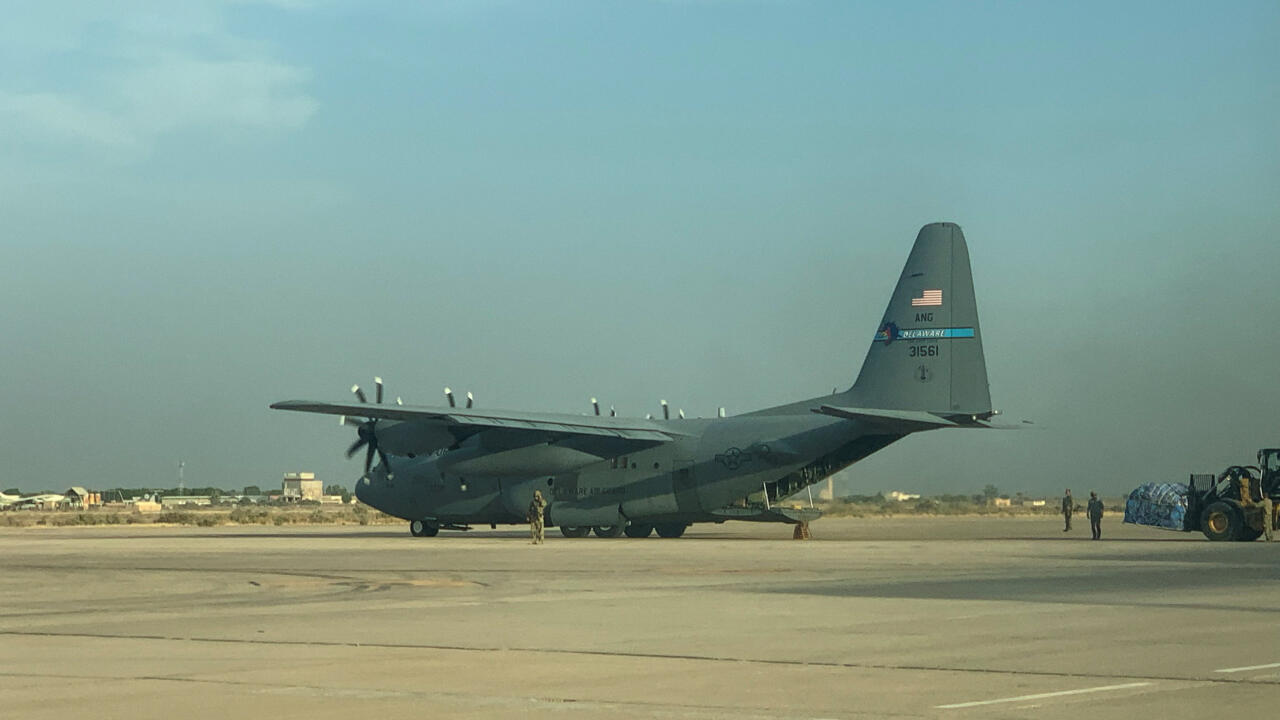
In response to the closure of the passage, the United States has initiated Project Freedom, an operation aimed at escorting stranded merchant ships through the strait. Shipping firm Maersk confirmed that its US-flagged vessel, the Alliance Fairfax, successfully exited the Strait of Hormuz under US military protection. The company reported that the transit was completed without incident and that all crew members remained safe, marking a critical breakthrough for the 2,000 ships currently blocked in the Gulf.
While Washington asserts control over the waterway, Iranian officials have rejected the US narrative. Iranian Foreign Minister Abbas Araghchi described the situation as a political crisis with no military solution and dismissed Project Freedom as a project of deadlock. Tehran denies that its fast boats were struck, with military sources claiming they fired warning shots at a US warship before retreating. The US military has denied any engagement with a warship, maintaining that the targets were small boats.
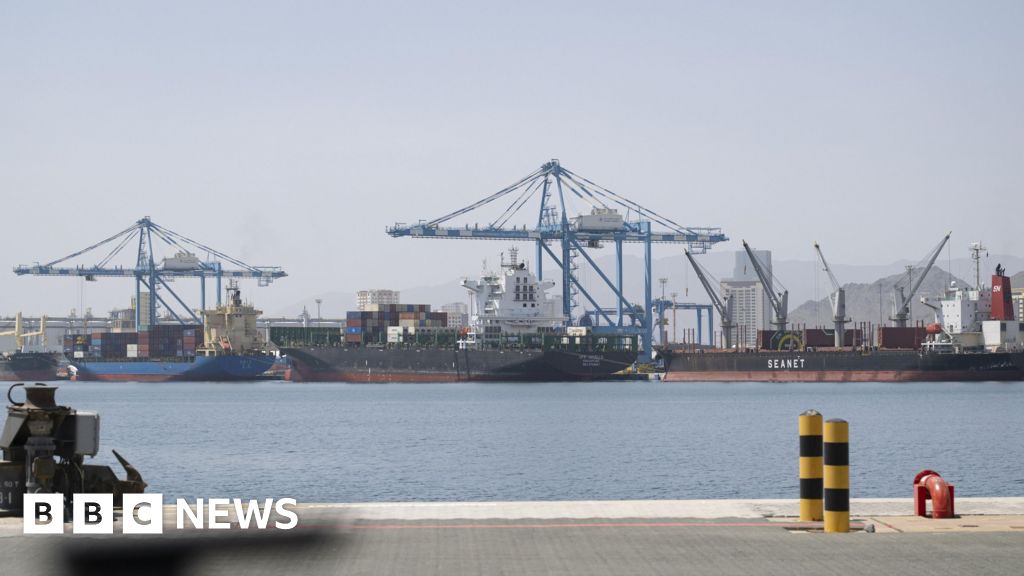
The violence has extended beyond the waterway, with the UAE reporting that its air defences engaged multiple missiles and drones. Authorities confirmed that a tanker affiliated with Adnoc, the state-owned oil company, was hit in the Strait of Hormuz. Furthermore, a strike at the Fujairah port caused a large fire and left three people injured. Neighbouring Oman also reported two injuries in a residential building in Bukha along the coastline.
International leaders have swiftly condemned the escalation. French President Emmanuel Macron labelled the strikes unjustified and unacceptable, while British Prime Minister Sir Keir Starmer pledged continued support for Gulf partners. Qatar has also voiced strong opposition, calling for the unconditional reopening of the strait. The UAE foreign ministry described the attacks on its infrastructure as a dangerous escalation and reserved the right to respond.
Market reactions to the instability have been immediate, with Brent crude oil prices rising above $115 a barrel following the reports of the attack on the Fujairah facility. The incident occurs against a backdrop of deteriorating diplomatic relations, with the strait remaining largely blocked since air strikes on Iran in February. President Trump noted that the US has been asked by nations worldwide to assist neutral vessels, warning that force would be used if the humanitarian process of freeing these ships is interfered with.