US military deploys explosive sea drones in first combat use against Iranian naval assets
The deployment marks a significant shift in asymmetric warfare tactics, following the loss of high-value Reaper drones and amid broader hostilities that began in February 2026.
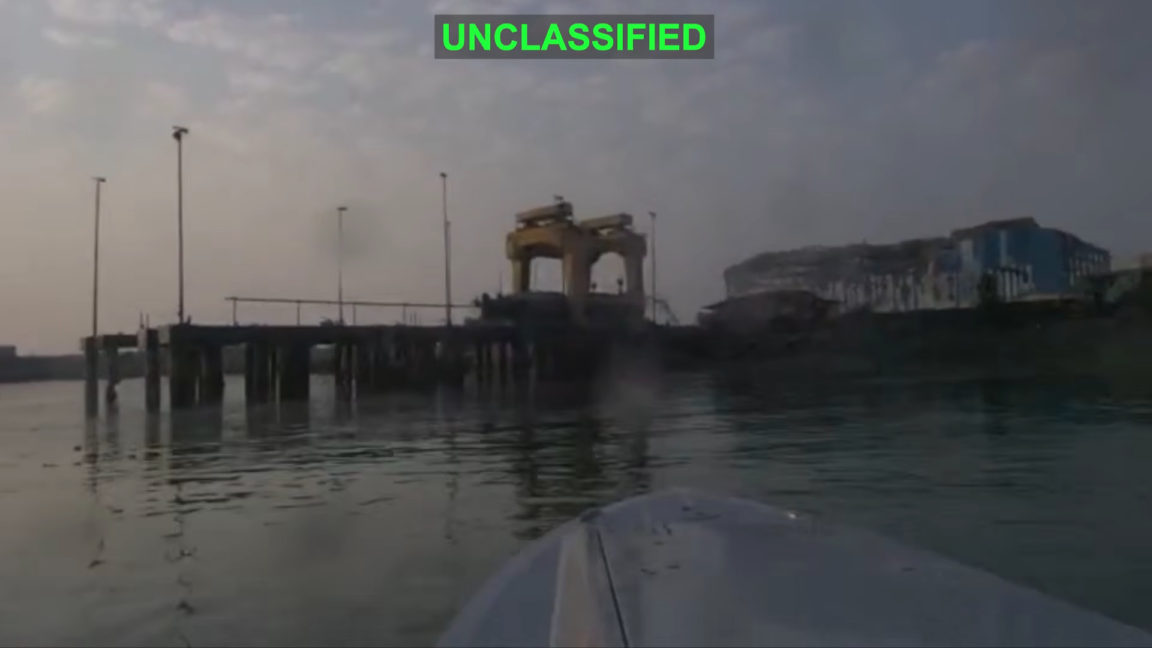
The US military has confirmed the first combat deployment of explosive-laden autonomous surface drones, targeting Iranian naval infrastructure during the ongoing conflict that commenced on 28 February 2026. US Central Command verified that Saronic Corsair vessels struck an Iranian Ghadir-class midget submarine and a ship maintenance facility at the Bandar Abbas Naval Base on the night of 12 July 2026. This operation represents a distinct evolution in naval warfare tactics, utilising unmanned systems to execute low-speed, uncontested approaches before detonation.
The technology employed in these strikes is the Saronic Corsair, an autonomous surface vessel developed by Austin-based Saronic Technologies. According to manufacturer specifications, the 24-foot craft is capable of carrying up to 1,000 pounds of explosives over distances exceeding 1,000 nautical miles, with a top speed surpassing 34 knots. The system is designed to operate autonomously without direct human control, managing its own long-range navigation, power consumption, and engine use to loiter at specific positions before delivering its payload.
This incident marks the second notable use of Corsair drone boats by US forces since the outbreak of hostilities. Earlier in the conflict, on 8 June 2026, a Corsair vessel was utilised for a non-combat rescue mission, retrieving two US Army helicopter pilots from the waters off the coast of Oman after their AH-64 Apache was downed by an Iranian Shahed drone. The shift from rescue operations to lethal strikes underscores the expanding role of unmanned systems in the theatre of war.
The deployment comes as the US military seeks to adapt its procurement strategies following significant losses of expensive conventional assets. The Pentagon has reported the loss of dozens of Hunter-Killer Reaper drones, valued at more than $1 billion collectively, during the war. In response, the military is actively pursuing a new generation of cheaper surveillance and strike drones, mirroring the asymmetric warfare approaches previously pioneered by nations such as Ukraine and factions like the Houthis in Yemen.
Concurrently, the US has begun employing one-way aerial attack drones, known as LUCAS drones, which are based largely on Iranian-developed Shahed technology. These drone boat strikes are part of a broader offensive involving conventional US fighter aircraft and warships targeting Iranian assets. The escalation follows the collapse of a proposed ceasefire and coincides with heightened tensions over the Strait of Hormuz, where Iran has threatened to close the strategic waterway to all vessel traffic.
