U.S. military confirms 660 million barrels of oil have transited Strait of Hormuz since May
CENTCOM states it has assisted the passage of 660 million barrels of oil through the critical waterway, a development that offers some relief to markets despite the region’s contested security environment.
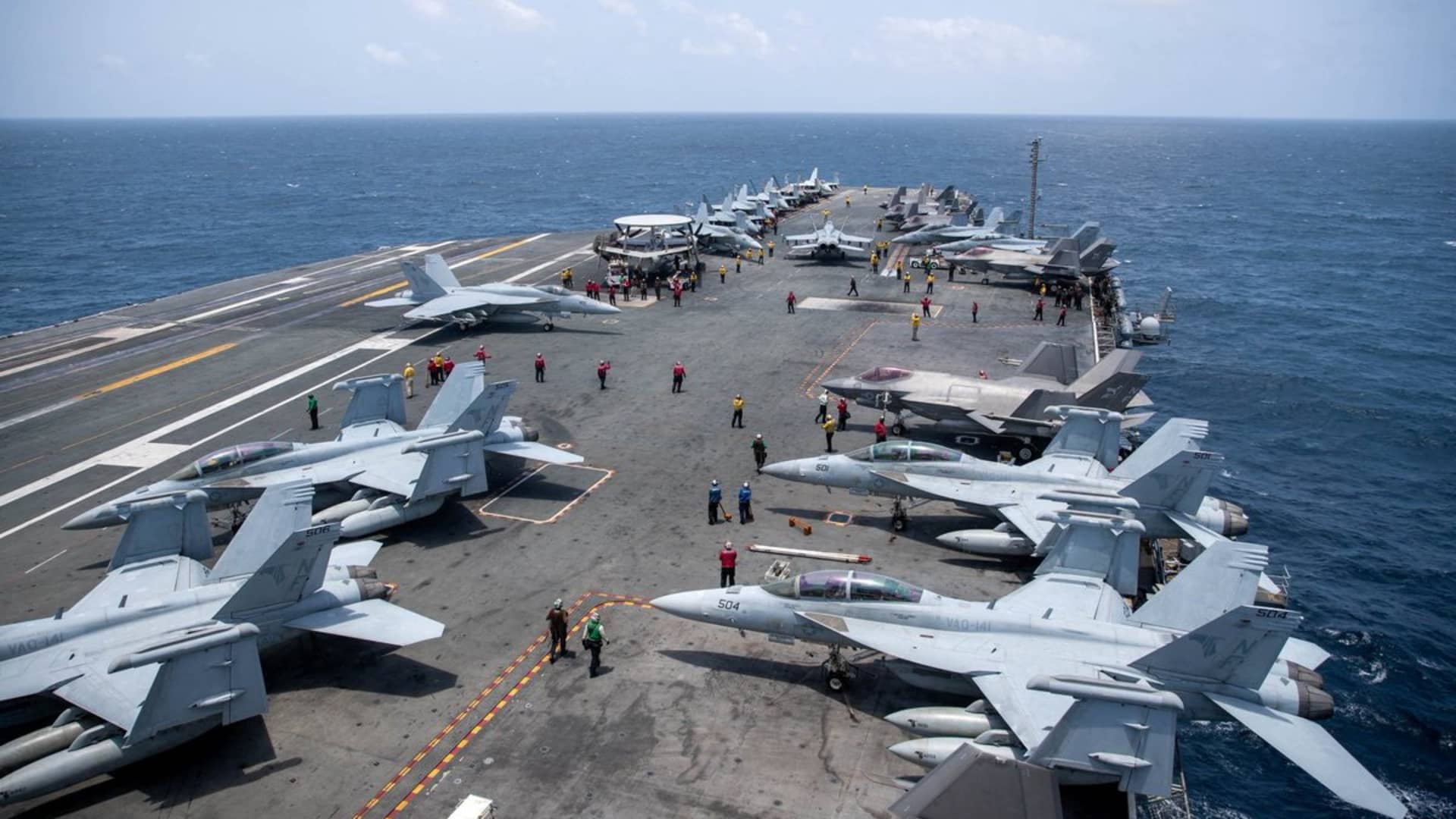
The United States military has stated that it has assisted the passage of 660 million barrels of oil through the Strait of Hormuz since May. The announcement, attributed to U.S. Central Command, provides a specific volume of transit that has occurred under American military support during a period of heightened regional tension.
This figure represents the volume of oil that has moved through the strait with U.S. assistance over the past several months, rather than the total historical traffic through the waterway. The statement underscores the continued reliance on military presence to facilitate energy flows in a region where the security situation remains contested.
The development comes against a backdrop of significant geopolitical instability. The United States and Israel launched a conflict in Iran on 28 February 2026, which has since driven fears of supply disruptions. These concerns were further exacerbated by deadly attacks on vessels in the Gulf of Oman and the Red Sea, which contributed to recent increases in oil prices.
Despite the ongoing challenges, U.S. efforts appear to be facilitating oil transit effectively. The use of the term “aided passage” by the military reflects the specific nature of the support provided, distinguishing it from a full security guarantee in an environment that is not yet fully stabilised.
Diplomatic efforts have also been underway to address the situation. In June 2026, U.S. and Iranian officials indicated progress toward an interim peace deal aimed at reopening the Strait of Hormuz. While the exact current status of that deal has not been detailed in the latest military statement, the continued flow of oil suggests that transit mechanisms are functioning despite the broader geopolitical friction.
For investors and institutions, the confirmation of 660 million barrels in transit since May serves as a tangible indicator of supply chain resilience. It suggests that while the security environment remains uncertain, the physical movement of energy commodities is being maintained through coordinated military and logistical efforts.