US markets surge as Trump halts Iran strikes, sparking peace rally
Chipmakers and AI stocks lead the advance while software names retreat on capital expenditure concerns
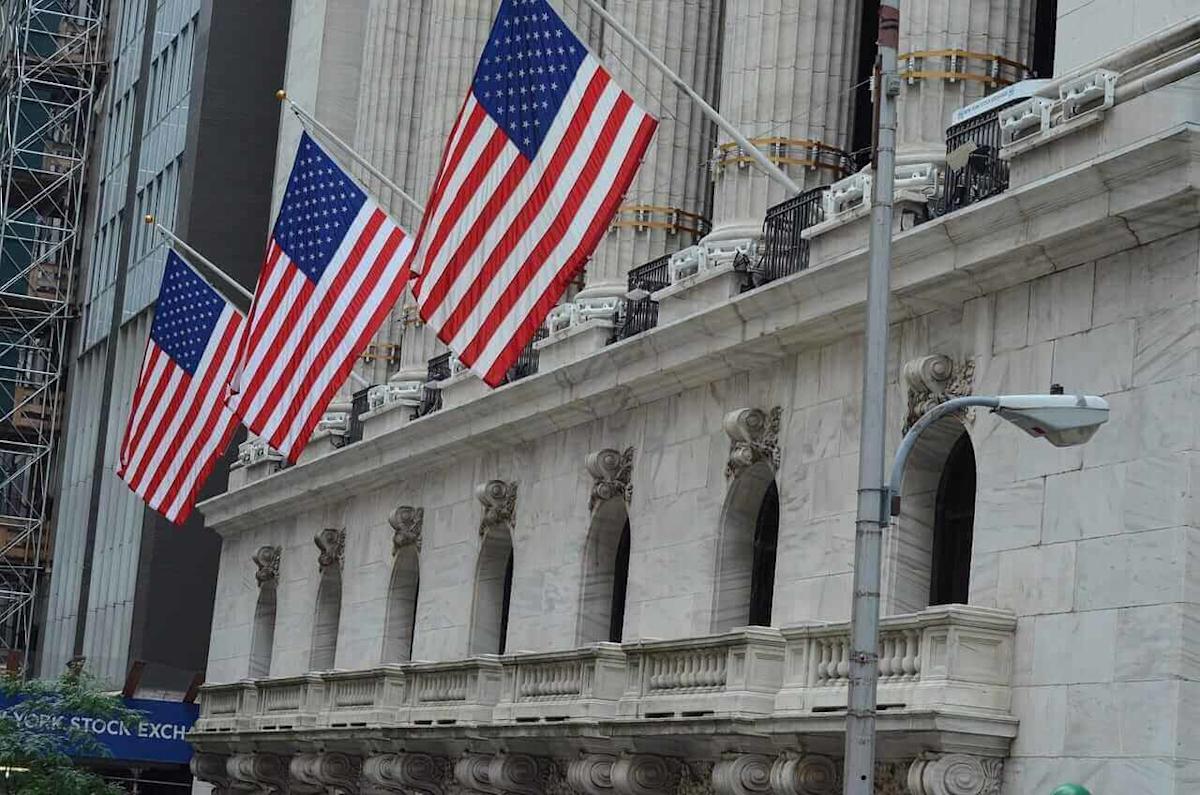
US equity markets closed sharply higher on Thursday as President Trump cancelled planned military strikes on Iran and signalled an imminent peace deal to end the war. The S&P 500 Index rose 1.75 per cent, the Dow Jones Industrial Average gained 1.86 per cent, and the Nasdaq 100 climbed 3.29 per cent. June E-mini S&P futures rose 1.73 per cent, while June E-mini Nasdaq futures advanced 3.26 per cent.
The rally was driven by a significant easing of geopolitical risk. Stocks had initially been weighed down by concerns over escalating hostilities after Trump stated the US would continue striking Iran and threatened to seize Kharg Island, the nation’s key oil export hub. However, sentiment shifted when Trump announced he had cancelled the strikes, citing ongoing discussions with Iranian leadership. He confirmed that a time and place for signing a negotiated end to the war would be announced shortly, though the US naval blockade of the Strait of Hormuz would remain in effect until the transaction was finalised.
Chipmakers and artificial intelligence-related stocks led the broader market rally. Sandisk closed up more than 14 per cent to lead gainers in the S&P 500 and Nasdaq 100, while KLA Corp rose more than 13 per cent. Lam Research, Applied Materials, ARM Holdings, Marvell Technology, and Micron Technology all closed up more than 11 per cent. Intel and ASML Holding NV gained more than 9 per cent, with Advanced Micro Devices and Western Digital advancing more than 7 per cent.
Airline and cruise stocks surged after West Texas Intermediate crude oil prices fell more than 2 per cent, lowering fuel costs and boosting profitability prospects. Alaska Air Group closed up more than 11 per cent, while United Airlines Holdings and American Airlines Group rose more than 9 per cent. Carnival gained more than 8 per cent, and Southwest Airlines and Royal Caribbean Cruises advanced more than 7 per cent. Conversely, energy stocks slumped, with Devon Energy down more than 4 per cent and ConocoPhillips and APA Corp falling more than 3 per cent.
Software stocks retreated, limiting the overall market’s gains. Oracle fell more than 8 per cent after reporting higher-than-expected capital expenditures, forecasting full-year capital spending of $70 billion due to increased data centre spending. Autodesk closed down more than 7 per cent, Adobe Systems fell more than 6 per cent, and Workday dropped more than 5 per cent. Microsoft closed down more than 1 per cent, while Salesforce fell more than 2 per cent.
The shift in geopolitical tensions also impacted the bond market. September 10-year T-notes closed up 17 ticks, with the 10-year T-note yield falling 9.3 basis points to 4.459 per cent. The decline in yields was supported by US weekly jobless claims unexpectedly rising to a four-month high of 229,000 and May producer prices ex-food and energy rising less than expected. The 10-year breakeven inflation rate fell to a 2.5-month low of 2.303 per cent.
Overseas markets showed mixed results. The Euro Stoxx 50 closed up 0.78 per cent, while China’s Shanghai Composite fell 0.16 per cent. Japan’s Nikkei Stock Average recovered from a 2.5-week low to close up 0.06 per cent. European government bond yields also moved lower, with the 10-year German Bund yield finishing down 4.5 basis points to 3.032 per cent. The European Central Bank raised its deposit facility rate by 25 basis points to 2.25 per cent, citing uncertain outlooks with upside inflation risks and downside growth risks.