US Markets Retreat as Inflation Data and Iran Tensions Weigh on Sentiment
Headline inflation rose to 3.8% in April, while escalating US-Iran tensions kept oil prices elevated, prompting a risk-off shift across major indices.
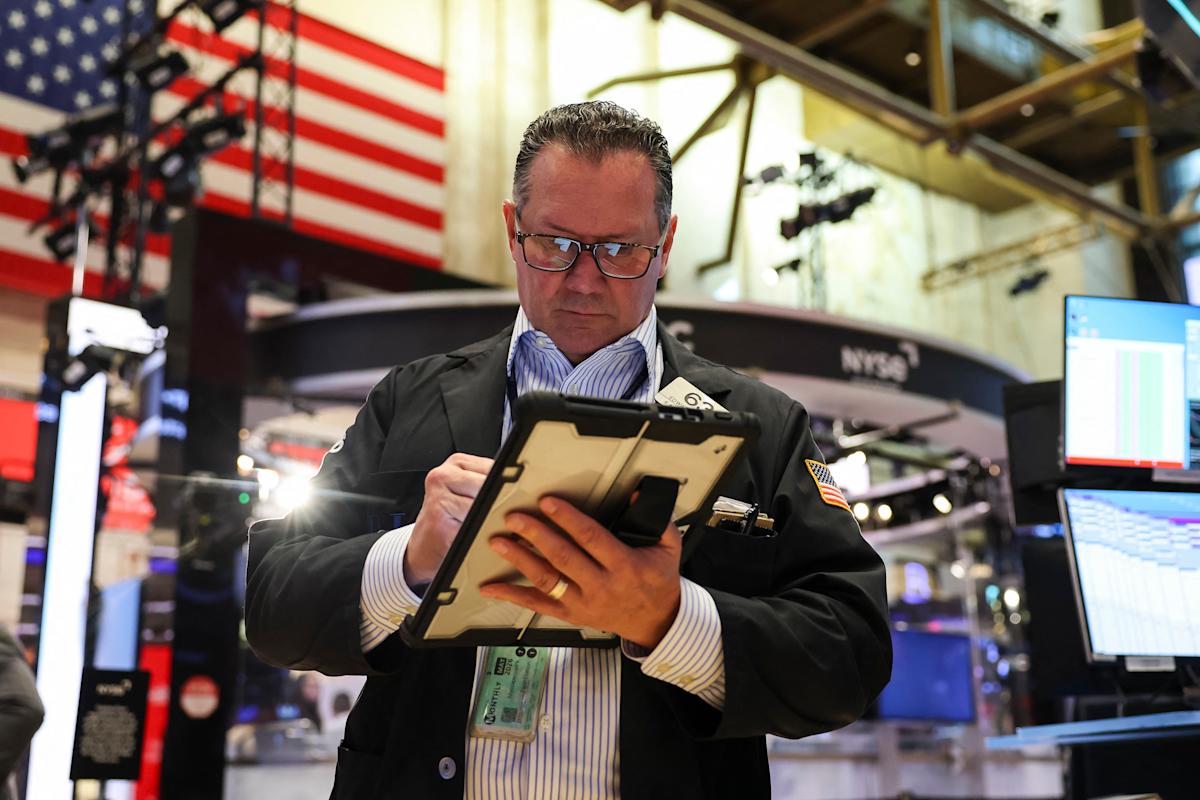
US equity markets retreated on Tuesday as a recent technology rally stalled and investors reacted to the latest consumer inflation data. The downturn was broad-based, with the Nasdaq Composite tumbling roughly 1.7%, the S&P 500 shedding 0.8%, and the Dow Jones Industrial Average falling by 0.3%. The move marked a shift in sentiment as traders assessed the implications of April Consumer Price Index figures and ongoing geopolitical instability.
The April CPI report revealed headline inflation at 3.8%, the highest level since May 2023, exceeding analyst expectations. Core inflation, which excludes volatile food and energy categories, rose to 2.8%, also surpassing forecasts. These figures suggest that price pressures remain stubborn despite earlier signs of moderation, raising questions about the trajectory of monetary policy. Real wages also declined, with real average hourly and weekly earnings falling 0.3% and 0.2% respectively over the year, highlighting a disconnect between market performance and household purchasing power.
Escalating tensions between the United States and Iran further exacerbated the market downturn. The continued blockade of the Strait of Hormuz has disrupted global energy flows, driving up costs for fuel and commodities. Brent crude futures traded above $107 per barrel, while West Texas Intermediate crude rose to over $101 a barrel. The uncertainty surrounding the ceasefire agreement, which President Trump described as being on life support, kept investors on edge and contributed to a risk-off environment.
Semiconductor stocks led the losses, with the PHLX Semiconductor index dropping approximately 5%. Shares of major chipmakers saw significant declines, with Qualcomm falling 12% and Intel down 9%. This sector, which had driven recent record highs, faced a sharp reversal as investors took profits amid the broader market weakness. The decline in the chip sector was particularly notable given the recent run-up, with the index still posting gains for the year despite the daily drop.
Compounding the domestic economic concerns, President Trump commenced a high-stakes visit to China to meet with President Xi Jinping. Discussions on trade and artificial intelligence are expected to dominate the agenda, adding another layer of complexity to global market dynamics. The visit coincided with a surge in copper prices, which have become highly correlated with the tech sector due to demand from data centres and electric vehicles.
The combination of sticky inflation, rising energy costs, and geopolitical friction has created a challenging backdrop for equities. While the Federal Reserve is currently priced to hold rates steady through June, the hotter inflation data suggests that the door remains open for potential rate hikes later in the year. Investors are now closely watching how these macroeconomic pressures will influence corporate earnings and the broader economic outlook.